







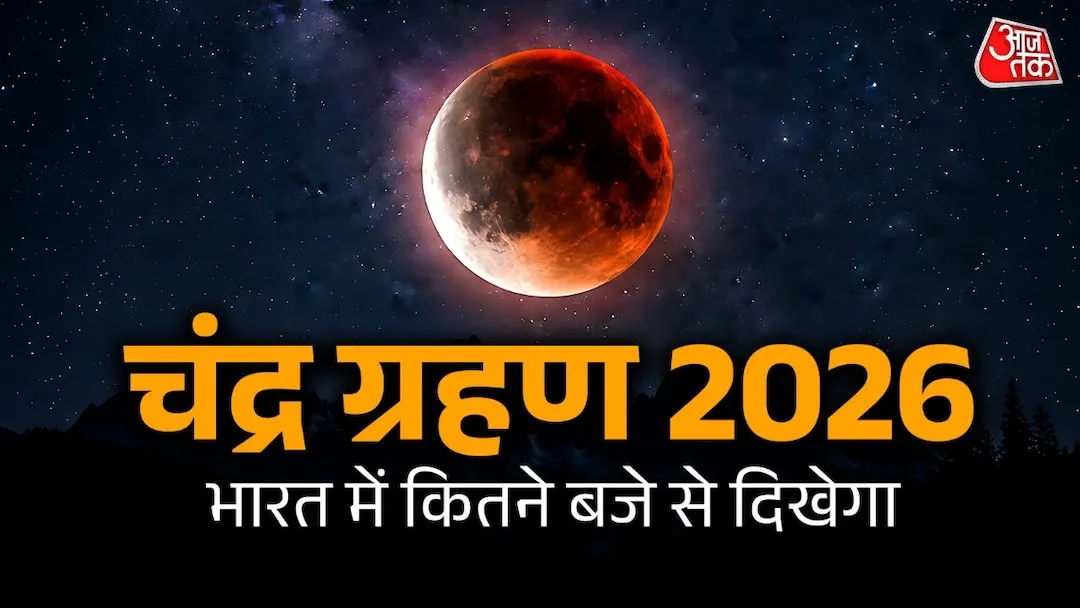
Chandra Grahan Timing Today
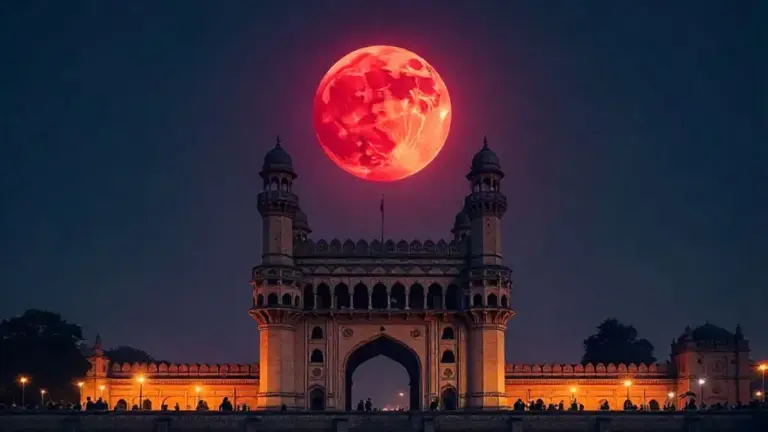
The Chandra Grahan, or lunar eclipse, is set to occur on March 3, 2026, with significant implications for observers in India. The event will commence at 3:20 PM and conclude at 6:46 PM, with the peak of the eclipse occurring at 5:04 PM. This total lunar eclipse, often referred to as a Blood Moon, will be particularly notable as it coincides with the vibrant festival of Holi.
As the lunar eclipse unfolds, it will be visible in various parts of India, especially in the eastern regions. The Sutak kaal, a period of spiritual significance during eclipses, will begin at 6:23 AM on the same day and will end when the lunar eclipse concludes at 6:46 PM. This approximately 3 hours and 27 minutes long event is expected to draw considerable attention from both the public and astronomers alike.
The occurrence of the Chandra Grahan during Holi adds an extra layer of significance to the event. Traditionally, lunar eclipses are believed to have astrological implications, influencing emotions and thoughts. As such, many individuals may engage in specific rituals or practices during this time. Observers are advised to take precautions, as it is common for people to follow certain customs to ensure safety during the eclipse.
Experts have noted that this lunar eclipse will not be an ordinary one. It is said to take place under the Leo zodiac sign and the Purva Phalguni Nakshatra, which adds to its astrological weight. The unique positioning of celestial bodies during this event may lead to heightened emotional responses and reflections among those observing the eclipse.
In light of the eclipse, many people are expected to partake in cleansing rituals once the event concludes. It is customary for individuals to cleanse themselves by taking a bath with gangajal or salt water, signifying a fresh start post-eclipse. This practice is rooted in the belief that the eclipse can have a purifying effect, and many seek to align themselves with this spiritual renewal.
The Chandra Grahan on March 3, 2026, is anticipated to be a rare celestial event, particularly given its timing with the Holi festival. As people prepare for the festivities, the lunar eclipse will serve as a reminder of the interconnectedness of natural phenomena and cultural celebrations. The excitement surrounding this event is palpable, with many eager to witness the celestial display.
As the date approaches, the public’s interest in the grahan timing today continues to grow. Officials and astronomers are likely to provide additional insights and information leading up to the event, ensuring that observers are well-prepared. Details remain unconfirmed regarding specific viewing locations and safety measures, but the anticipation is building for what promises to be a memorable experience for many.