Introduction
Laurence Fox, a name that has garnered attention across the United Kingdom, is a British actor, musician, and political commentator. His prominence extends beyond his acting roles, as Fox’s outspoken views on social issues have placed him at the forefront of public discourse. Understanding Fox is crucial for grasping the dynamics of contemporary British society and the complexities of free speech and celebrity culture.
Background and Career
Born on May 26, 1978, in Leeds, England, Laurence Fox hails from a family with deep roots in the entertainment industry. He gained initial fame for his role as Detective James Hathaway in the hit series ‘Lewis.’ However, Fox’s off-screen persona has often overshadowed his on-screen performances. In 2020, Fox attracted significant media attention following his appearance on ‘Question Time,’ where he expressed his views on race and identity politics, sparking both acclaim and backlash.
Controversies and Political Stance
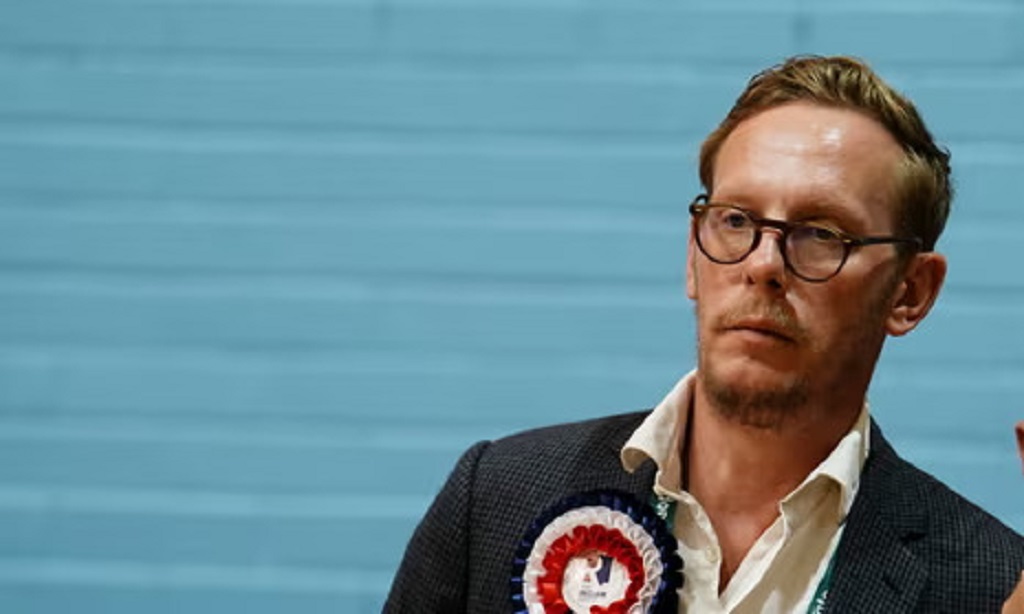
Laurence Fox’s career took a turn towards controversy when he became an outspoken critic of what he perceives as ‘woke culture.’ His remarks on gender and race have resonated with some audiences while alienating others. Fox’s stance has led to heated debates, especially regarding the nature of cancel culture in today’s society. Moreover, he founded the ‘Reclaim Party’ in 2020, aiming to challenge mainstream political narratives on free speech. His political activism has intensified discussions surrounding the role of celebrities in politics and the responsibility they bear in shaping public opinion.
Recent Developments
In recent months, Fox has continued to engage with his audience through social media platforms, where he shares his views on current events. Notably, he has been vocal about the government’s handling of various societal issues, including the pandemic and social justice movements. However, this has not come without consequence; Fox has faced significant criticism and calls for boycotts from various groups. Public responses range from fervent support to vehement disapproval, illustrating the divisive nature of his public persona.
Conclusion
Laurence Fox remains a complex figure within British culture, representing the intersection of entertainment and political discourse. As public conversations about free speech, identity, and the role of media figures become increasingly prominent, Fox’s influence and responses will likely shape future discussions. For audiences, understanding Fox’s trajectory offers valuable insights into the current societal landscape in the UK, where celebrity and political engagement continue to collide. In the coming years, Fox’s actions and statements will undeniably draw attention, further solidifying his role as a pivotal figure in the ongoing debates about culture and society.