







Introduction
Since its debut on Netflix in October 2020, ‘Emily in Paris’ has garnered immense popularity, captivating audiences across the globe. This romantic comedy series, created by Darren Star, chronicles the journey of a young American woman, Emily Cooper, as she navigates her professional and personal life in the City of Lights. The show’s blend of humor, fashion, and picturesque Parisian scenes has made it not only a delightful watch but also a significant cultural phenomenon that reflects the evolving nature of international entertainment.
Overview of the Series
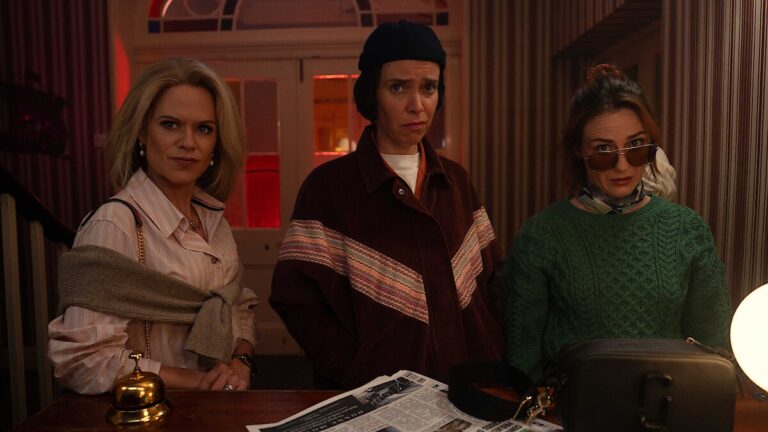
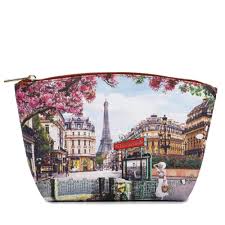
‘Emily in Paris’ stars Lily Collins as the titular character, who moves to Paris for a job opportunity at a French marketing firm. Her naive optimism clashes with the complexities of Parisian culture, leading to various comedic and romantic scenarios. The show has been noted for its glamorous portrayal of Paris, featuring iconic landmarks and vibrant scenes that embody the city’s allure.
The second season released in December 2021 deepened audience engagement, exploring more intricate relationships and Emily’s career aspirations. As the show’s popularity has continued to rise, it has sparked conversations about cultural representation, particularly with how American and French cultures interact.
Fashion Influence
One of the key appeals of ‘Emily in Paris’ is its striking fashion sense. Costume designer Patricia Field, known for her work on ‘Sex and the City’, has equipped Emily with a wardrobe that personifies Parisian chicness while also incorporating modern trends. The fashion showcased in the series has not only influenced viewers’ styles but has also led to increased attention to the brands featured in the show. Social media platforms are filled with ‘Emily-inspired’ outfits and discussions surrounding the impact of her style on everyday fashion.
Tourism and Cultural Perception
The picturesque landscapes and vibrant setting of Paris featured in the series have reignited interest in travel to the city, particularly among young audiences. Following the release of ‘Emily in Paris’, social media saw an uptick in hashtags and posts related to Paris tourism. Travel agencies reported an increase in bookings for Parisian holidays, with many fans eager to replicate their favourite moments from the show. This ripple effect underlines the significance of entertainment in influencing tourism trends.
Conclusion
‘Emily in Paris’ has emerged as more than just a popular streaming series—it has become a lens through which cultural dialogues occur. While the show has faced its fair share of criticism regarding stereotyping French culture, it nonetheless continues to impact fashion, travel, and global conversation. As viewers eagerly await the next season, the influence of Emily Cooper and her adventures in Paris is expected to resonate for years to come, solidifying the show’s position as a cornerstone of contemporary television.