Introduction
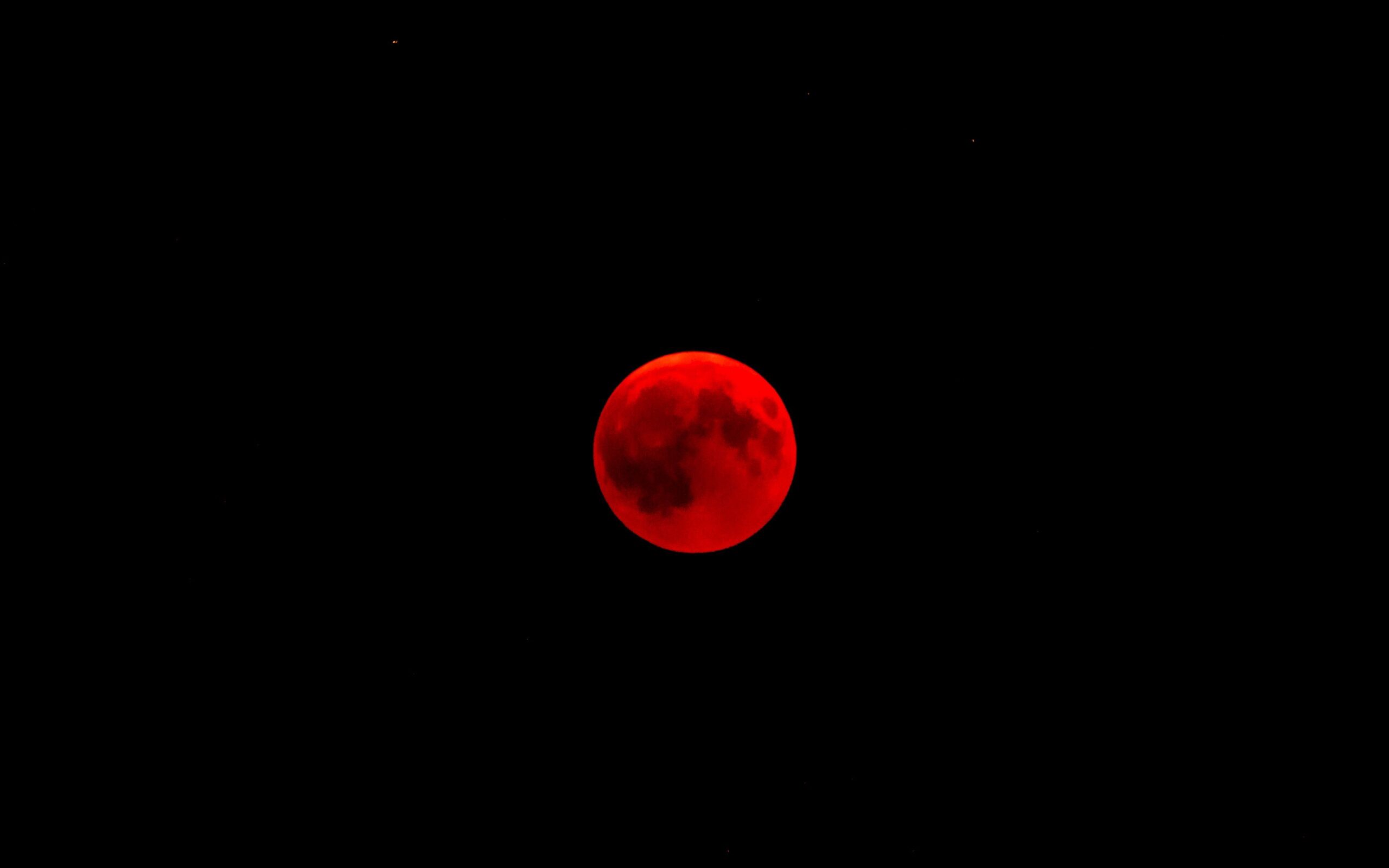
The crimson moon, commonly referred to as a blood moon, represents one of the most captivating astronomical events seen from Earth. Occurring during a total lunar eclipse, it enchants stargazers by transforming the normally bright white moon into a stunning shade of red. This phenomenon not only captivates the imagination but is also steeped in cultural significance and scientific interest, making it a critical topic of discussion for both astronomers and enthusiasts alike.
What Causes the Crimson Moon?
The crimson hue is produced when the Earth passes directly between the sun and the moon, causing the Earth’s shadow to cover the moon. During this event, the light from the sun passes through the Earth’s atmosphere, scattering shorter wavelengths of light and allowing only the longer wavelengths, primarily red, to reach the moon. Thus, during a total lunar eclipse, the moon takes on a reddish glow, creating what is popularly termed the crimson moon.
Recent Observations
On November 8, 2022, a total lunar eclipse produced one of the brightest crimson moons in over a decade, and it garnered global attention. Astronomers reported that this event provided a crucial opportunity for educational outreach, as millions tuned in to witness it online or through live events around the world. The next anticipated occurrence will take place on March 14, 2025, promising enthusiasts and observers yet another chance to experience this celestial spectacle.
Cultural Significance
Throughout history, the crimson moon has held various meanings in different cultures. In some civilizations, it has been seen as an omen or a significant sign often linked to changes in health and agriculture. Native American tribes referred to it as the blood moon, signalling the end of harvest season, while lunar eclipses have been associated with folklore and superstitions across the globe, reflecting humanity’s long-standing fascination with the heavens.
Conclusion
The crimson moon is not only a beautiful visual spectacle but also an event rich in cultural history and scientific significance. As we look forward to the next event in 2025, this phenomenon serves as a reminder of the striking beauty of our universe and the intricate science that governs it. Stargazers, novice and expert alike, are encouraged to keep their eyes on the sky and engage in the timeless tradition of lunar observation. The crimson moon is not merely an astronomical event; it is an invitation to explore the mysteries of our universe.