Introduction
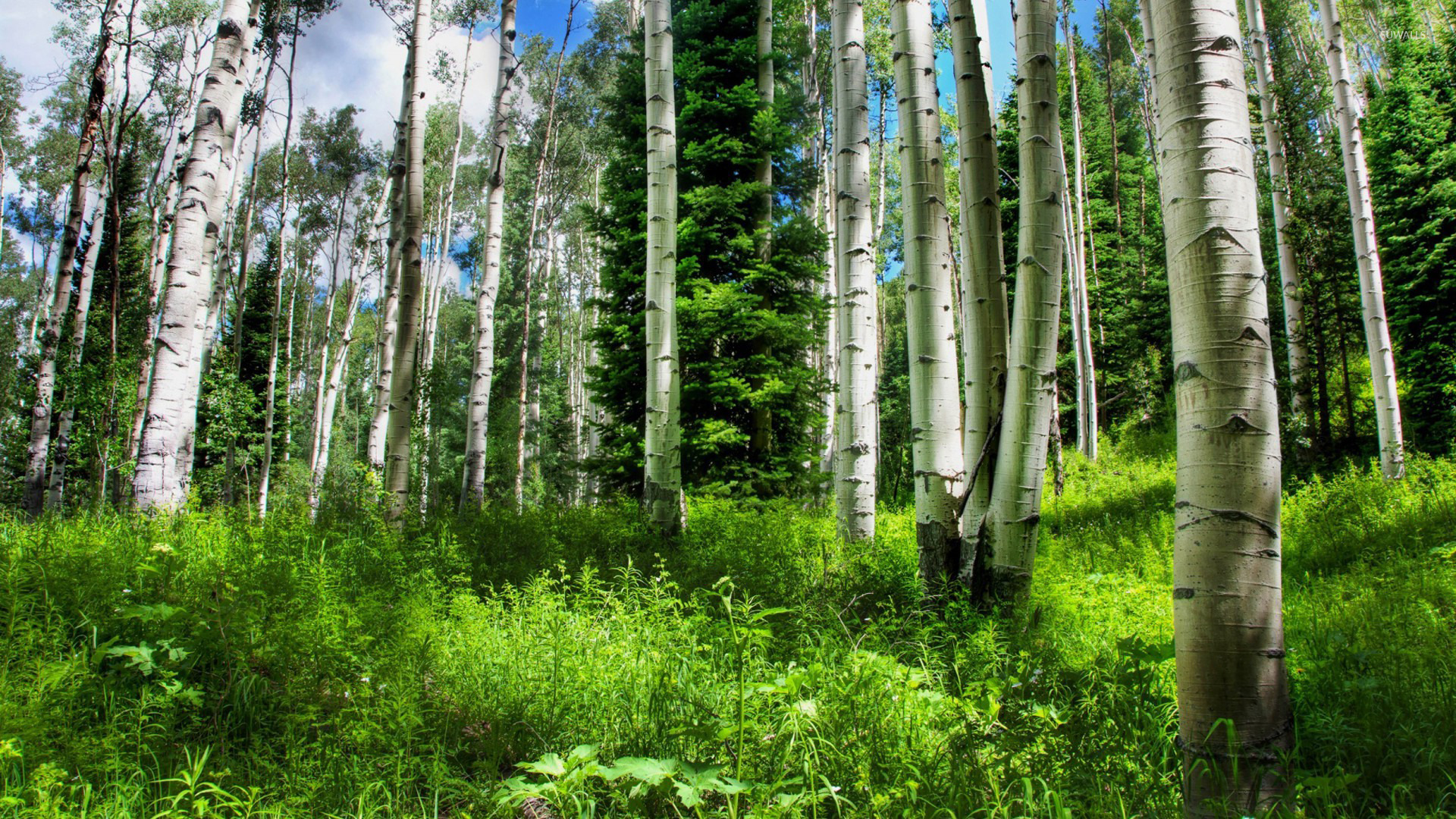
Forest green spaces are critical for enhancing the quality of urban life. With rapid urbanisation, the preservation and creation of these green areas have become paramount. Forest green spaces not only provide recreational opportunities but also contribute significantly to public health and environmental sustainability.
Current Trends and Developments
Recent studies highlight a rising trend in the establishment of forest green areas across cities worldwide. In the UK, local councils are receiving increasing requests for new park projects, with a particular emphasis on planting native trees and restoring natural habitats. The “Urban Forest Strategy” implemented in cities like London has already seen the planting of over 2 million trees. Additionally, community initiatives are emerging, focusing on converting vacant lots into mini parks or community gardens.
Environmental organisations are also stepping up efforts to promote reforestation projects. For instance, the charity ‘Trees for Cities’ aims to plant 1 million trees in urban areas by 2025, recognising the direct benefits these trees offer to air quality and biodiversity. As more urban dwellers engage with green spaces, the social and environmental impacts have become increasingly clear.
Health and Wellbeing Benefits
The advantages of forest green spaces extend beyond their aesthetic appeal. A growing body of research indicates that access to green environments can lead to improved mental health, reduced stress levels, and enhanced physical fitness. The presence of parks and green areas encourages outdoor activities, such as walking, running, and cycling, fostering a more active lifestyle among residents.
Moreover, the effects of greenery on air quality are well-documented. Urban forests can reduce pollution, sequester carbon, and mitigate the heat island effect, making cities more resilient to climate change. With increasing pollution levels in urban areas, the role of forest green spaces is becoming even more crucial.
Conclusion
In conclusion, forest green spaces are essential components of sustainable urban development. They contribute not only to environmental health but also enhance the physical and mental well-being of urban populations. As cities continue to grow, integrating more green spaces into urban planning will be vital. Encouraging community involvement in green projects can ensure that these spaces are protected and cherished for future generations, fostering a more harmonious relationship between urban communities and their natural environments.