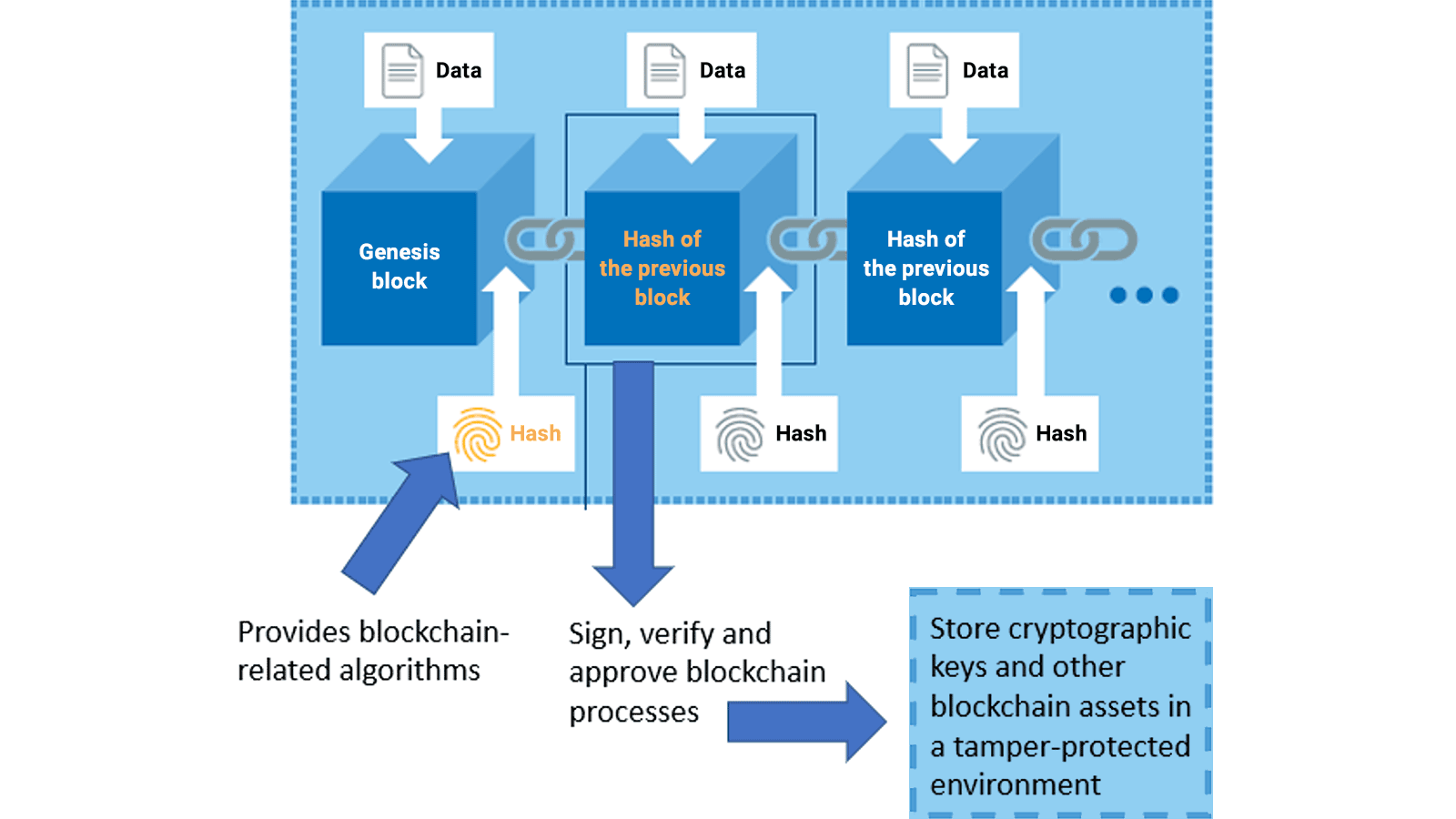
The Importance of Blockchain Applications
Blockchain technology has evolved far beyond its initial application in cryptocurrency. Today, its potential is being explored across a multitude of industries, raising interest from businesses and governments alike. As organisations seek to enhance transparency, security, and efficiency, understanding the myriad applications of blockchain is essential for stakeholders across sectors.
Current Developments in Blockchain Applications
In recent months, several industries have actively begun to implement blockchain solutions. In supply chain management, giants like IBM and Walmart are utilising blockchain for tracking commodities from farm to shelf. This innovation not only enhances transparency but also enables quicker responses to food safety issues.
In the realm of finance, cryptocurrencies such as Bitcoin and Ethereum have gained massive traction, but beyond digital currencies, blockchain technology is reshaping traditional banking. Decentralised Finance (DeFi) platforms are emerging, enabling lending, borrowing, and trading without conventional intermediaries, thus lowering costs and increasing access.
Healthcare is another sector benefiting significantly from blockchain applications. Systems for storing and sharing medical records are being developed using blockchain to ensure security and patient privacy. By securely connecting patient data across different healthcare providers, blockchain can facilitate better clinical decisions and innovations in patient care.
Future Prospects of Blockchain Applications
Looking forward, analysts predict the global blockchain technology market will continue to grow, with forecasts estimating a value exceeding $163 billion by 2027. This growth is spurred by increased investment in research and development across various sectors.
Moreover, governments are beginning to recognise the potential of blockchain. Several countries are exploring regulations regarding digital currencies and the implementation of blockchain for public services like voting and land registries to improve transparency and reduce fraud.
Conclusion
As blockchain applications continue to expand, the drive for innovation across industries remains strong. The ability of blockchain to enhance security, improve efficiency, and increase transparency presents significant opportunities for businesses and consumers alike. While challenges such as regulatory compliance and technological adaptation remain, the overall trajectory suggests a promising future for blockchain technology. Stakeholders should stay informed about this evolving landscape, as future applications could fundamentally change how we interact in virtually every aspect of life.