Introduction
The Elizabeth Line, also known as Crossrail, is one of the most significant infrastructure projects in London, enhancing the capital’s transport network. Opened in May 2022, the line stretches over 100 kilometres, connecting Reading and Heathrow in the west to Shenfield and Abbey Wood in the east. Its development stands as a monumental achievement in urban transport, designed to ease congestion, improve connectivity, and support London’s dynamic economy.
Key Features and Benefits
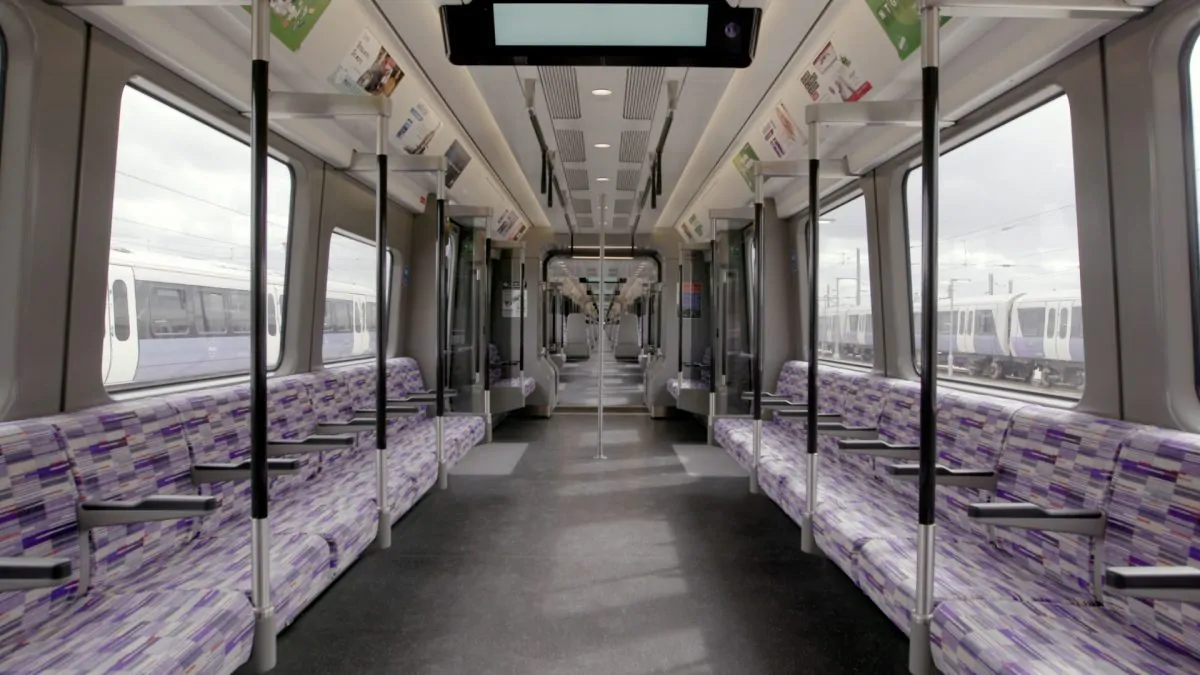
The Elizabeth Line features 41 stations, including major interchanges at Paddington, Liverpool Street, and Whitechapel. It is particularly noteworthy for its modern trains, which provide higher capacity and quicker journeys compared to previous options. With the ability to carry around 200 million passengers each year upon full operation, the line is expected to significantly reduce travel times across the city. For instance, the journey from Paddington to Canary Wharf now takes just 17 minutes, a notable improvement.
Moreover, the Elizabeth Line is designed with accessibility in mind, featuring step-free access at many of its stations, thus catering to the needs of all passengers. This focus on inclusivity contributes to a more efficient and user-friendly transport system.
Impact on London’s Economy
The Elizabeth Line is not just a transport project; it has far-reaching implications for the economy of London and surrounding regions. By improving accessibility to key employment hubs, it encourages investment and development in previously less accessible areas. For example, new developments have begun springing up around stations, fostering local economies and creating jobs. According to a report by Transport for London, the line is anticipated to generate £42 billion in economic benefits over its lifetime, making it a catalyst for growth in the region.
Conclusion
The launch of the Elizabeth Line marks a pivotal moment in London’s transport history, offering new opportunities for millions of residents and visitors alike. As it continues to integrate into the broader transport network, its significance will likely grow. Future forecasts indicate that usage will increase as the city rebounds from the pandemic, further solidifying the line’s crucial role in London’s transport infrastructure. For Londoners, the Elizabeth Line not only enhances daily commutes but also shapes the city’s growth and development for decades to come.