Introduction
Almeria, located in the southeast corner of Spain, is a province that boasts a unique blend of rich history, stunning landscapes, and vibrant culture. Known for its warm climate and beautiful Mediterranean beaches, Almeria has become a popular destination for tourists and a significant point of interest for cultural enthusiasts. This article delves into the current relevance of Almeria, highlighting its significance as a historical and modern-day locale.
The Rich History of Almeria
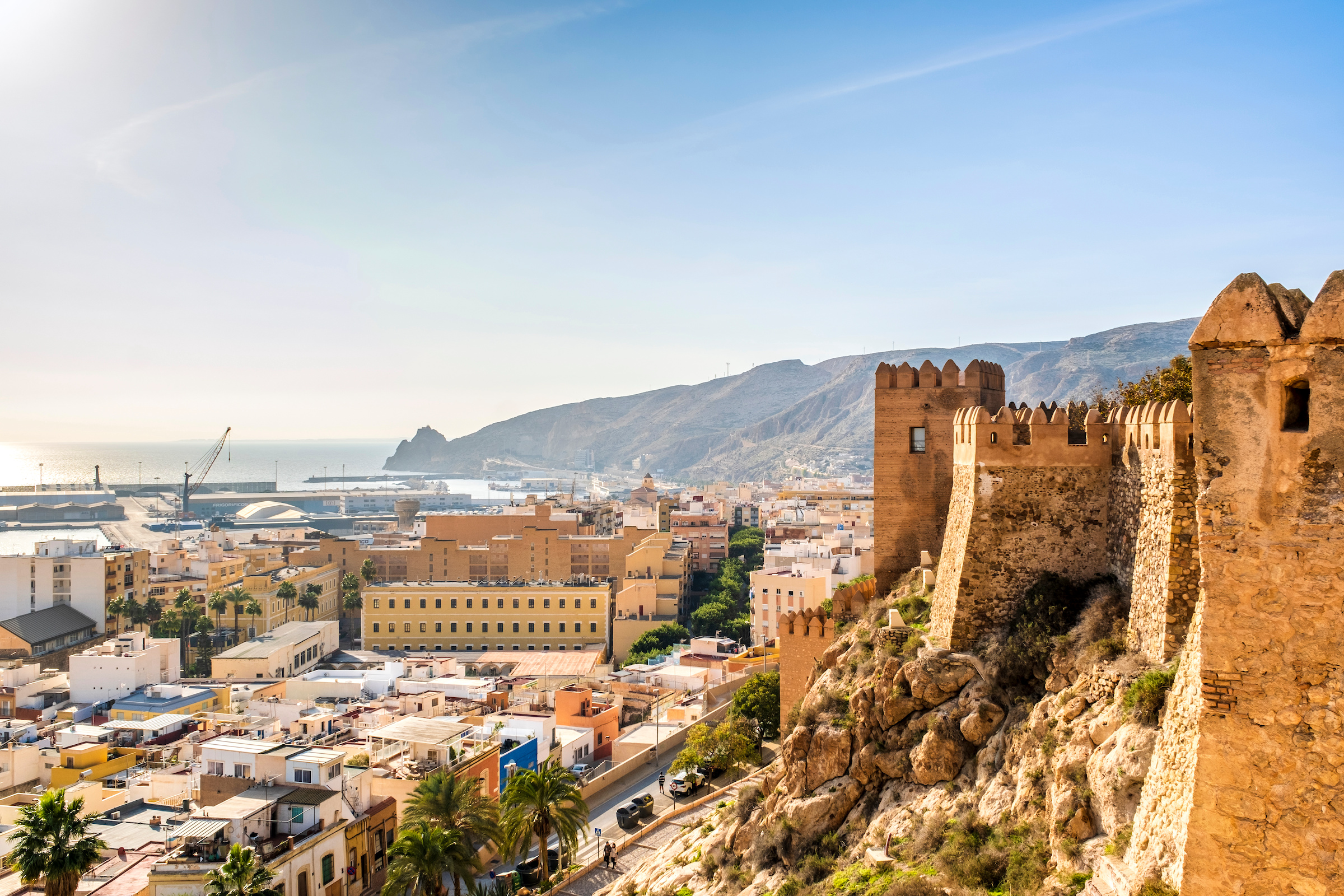
Almeria has a historical legacy that dates back to ancient times. The city itself was founded in 955 AD by the Caliph Abderramán III as a military stronghold, given its strategic coastal location. Evidence of its Muslim heritage can still be seen today, notably in the form of the Alcazaba of Almeria, a massive fortress that offers stunning views of the city and the sea. This historical site is not just a reminder of the city’s Islamic past; it is also a UNESCO World Heritage Site candidate, further emphasising its cultural significance.
Natural Beauty and Attractions
In addition to its rich history, Almeria is home to some of the most breathtaking natural landscapes in Spain. The Cabo de Gata-Níjar Natural Park offers visitors pristine beaches and unique geological formations that are ideal for hiking and photography. The area is renowned for its biodiversity, including rare flora and fauna, attracting nature lovers and outdoor enthusiasts alike. Furthermore, Almeria’s Mediterranean climate, with over 300 sunny days a year, makes it a prime location for those seeking sun-soaked holidays.
Modern Developments and Tourism
In recent years, Almeria has witnessed an increase in tourism, leading to the revitalisation of its economy. Local authorities are investing in infrastructure improvements, including enhanced transportation routes and expanded tourist facilities. Events such as the Annual Almeria Film Festival highlight the city’s growing status as a cultural hub, encouraging both local and international filmmakers to showcase their talents. Furthermore, Almeria is becoming a hotspot for food tourism, with its traditional cuisine reflecting its rich agricultural landscape, including locally sourced seafood, fruits, and vegetables.
Conclusion
Almeria serves as a beacon of cultural heritage and natural beauty in Southern Spain. As tourism continues to rise, the region is poised for further development while maintaining its rich historical identity. Readers interested in travel, culture, or history will find Almeria a fascinating destination worthy of exploration. As investment in modern amenities grows, Almeria is set to become even more accessible, ensuring it remains a significant player on the international tourism map.