Introduction
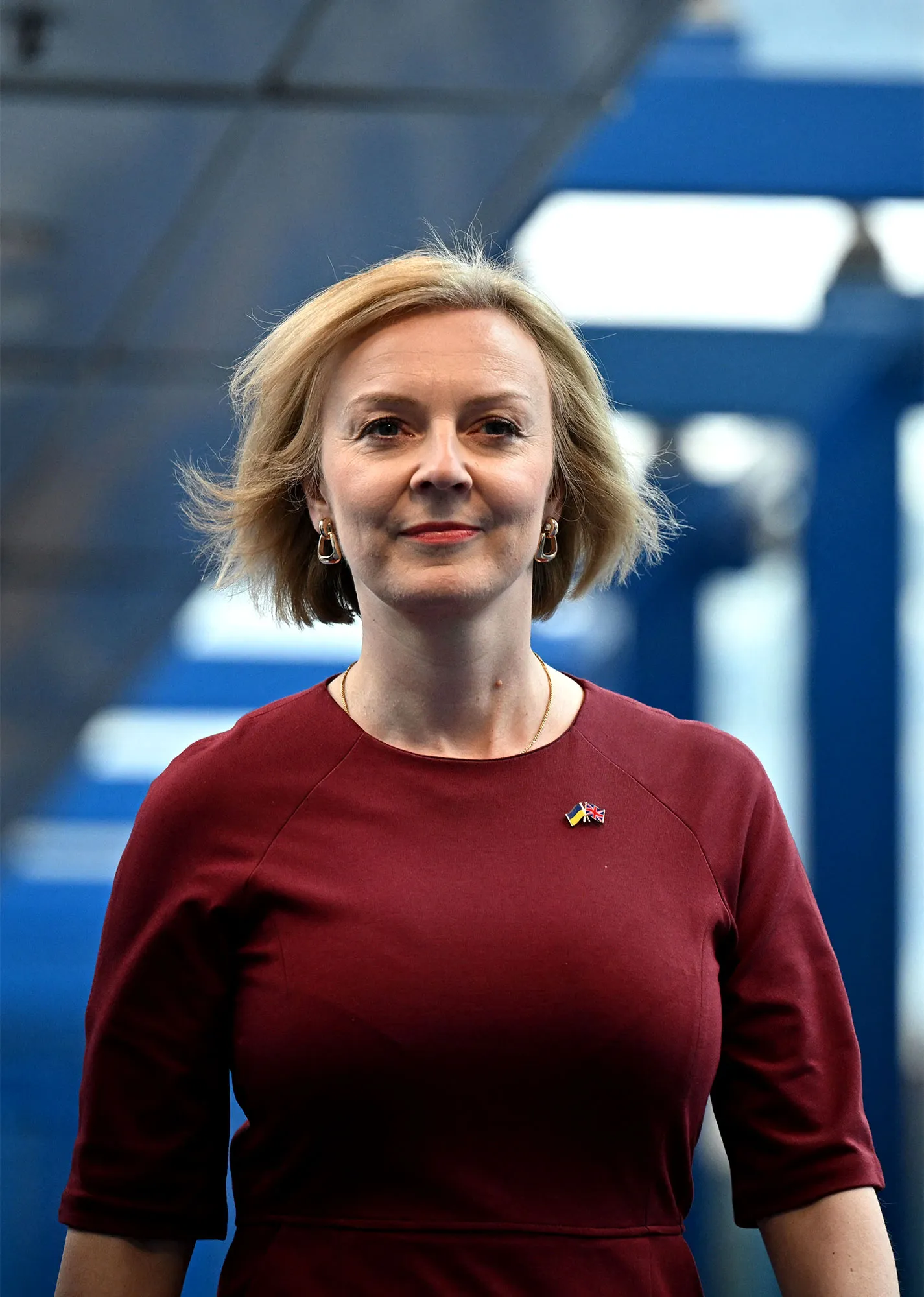
Liz Truss, the former Prime Minister of the United Kingdom, remains a significant figure in British politics, even after her brief tenure that ended in October 2022.
Her rapid rise and fall have sparked numerous discussions regarding her policies, leadership style, and the lessons learned by her successors in the Conservative Party. Understanding Truss’s impact is essential for comprehending the current political landscape in the UK.
Political Career Highlights
Truss entered the political arena as the MP for South West Norfolk in 2010 and quickly held various ministerial roles, including Secretary of State for International Trade and President of the Board of Trade. Her policies were often characterised by a strong support for free-market economics and a push for deregulation.
However, it was her appointment as Prime Minister in September 2022 that propelled her into the limelight. Truss’s government focused on aggressive tax cuts and energy price caps amidst a backdrop of spiralling inflation and economic instability. The proposed policies faced immediate backlash, leading to a sharp volatility in the UK financial markets.
The Fallout and Recent Activities
After just 44 days in office, Truss resigned, making her the UK’s shortest-serving PM. Her departure marked a critical moment in British politics, leading to a leadership contest that would ultimately see Rishi Sunak take over. Since stepping down, Truss has remained active in political discourse, delivering speeches and engaging with various think tanks about economic policy and the future of Britain.
This post-premiership phase has left many analysts considering her legislative legacy and what her tenure reveals about the challenges facing future leaders, particularly regarding economic policies in times of crisis.
Conclusion
Liz Truss’s political journey is a pivotal chapter in contemporary British history, serving as both a cautionary tale and a learning opportunity for future politicians. As economic and political uncertainties persist in the UK, her experiences are likely to influence the Conservative Party’s response strategies moving forward.
Truss’s prominence indicates that even short tenures can have substantial impacts on governmental policy direction and public perception. Observers will continue to analyse her responses and those of her successors as the UK navigates these unprecedented times.