Introduction: The Ongoing Concern of Cholera
Cholera, an acute diarrhoeal infection caused by ingesting contaminated water or food, has been a persistent global health challenge. With its potential for rapid spread, cholera outbreaks can lead to significant morbidity and mortality, especially in vulnerable populations. Recent years have seen an alarming increase in cholera cases worldwide, bringing the issue into sharp focus for health authorities and communities alike.
Recent Cholera Outbreaks
As of 2023, several countries have reported concerning spikes in cholera cases. The World Health Organization (WHO) has raised alarms about outbreaks in regions such as Africa, the Middle East, and Southeast Asia. For instance, Yemen has been grappling with a devastating choleral crisis since 2016, with thousands affected annually. Similarly, countries like Afghanistan and Sudan have reported rising case numbers amid ongoing conflicts and humanitarian crises that hinder effective water and sanitation management.
In addition, the recent outbreak in Haiti has drawn international attention, as it follows a decade after the devastating epidemic that began in 2010. With inadequate infrastructure and sanitation facilities, the country remains highly susceptible to cholera resurgence. Health officials emphasize that rapid response measures are critical in controlling the spread, including vaccination campaigns and enhancing water safety.
Factors Contributing to Cholera Resurgence
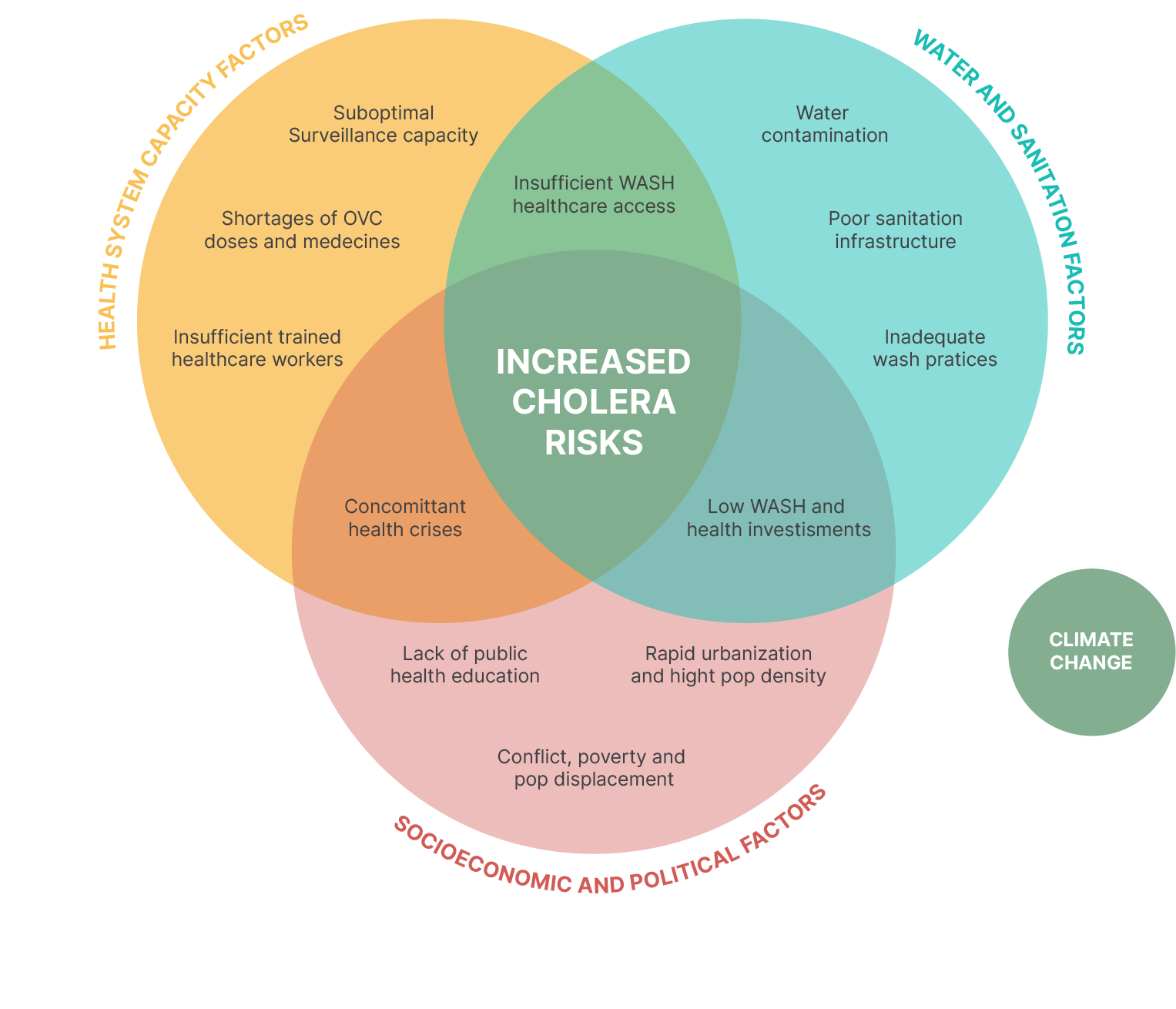
The resurgence of cholera can be attributed to numerous factors including climate change, conflicts, and infrastructural inadequacies. Flooding, which is increasingly common due to climate change, provides breeding grounds for the bacteria that cause cholera. Moreover, armed conflicts in regions such as Syria and Yemen have displaced populations, complicating access to clean water and sanitation—vital components in preventing cholera outbreaks.
Preventive Measures and Future Outlook
Efforts to combat choleral outbreaks focus on improving water, sanitation, and hygiene (WASH) services, alongside vaccination strategies. The Global Task Force on Cholera Control has set ambitious goals to eradicate cholera by 2030 through these efforts. Public health campaigns are vital to educate communities about cholera prevention and the importance of seeking treatment if symptoms arise.
Conclusion: A Global Responsibility
The threat posed by cholera is a global responsibility that requires concerted efforts from governments, health organisations, and communities. As outbreaks continue to emerge, enhancing global surveillance, improving water and sanitation infrastructure, and reinforcing health systems are essential for managing and ultimately reducing the burden of this preventable disease. Understanding the dynamics of cholera transmission will be key in ensuring a healthier future for at-risk populations.