Introduction
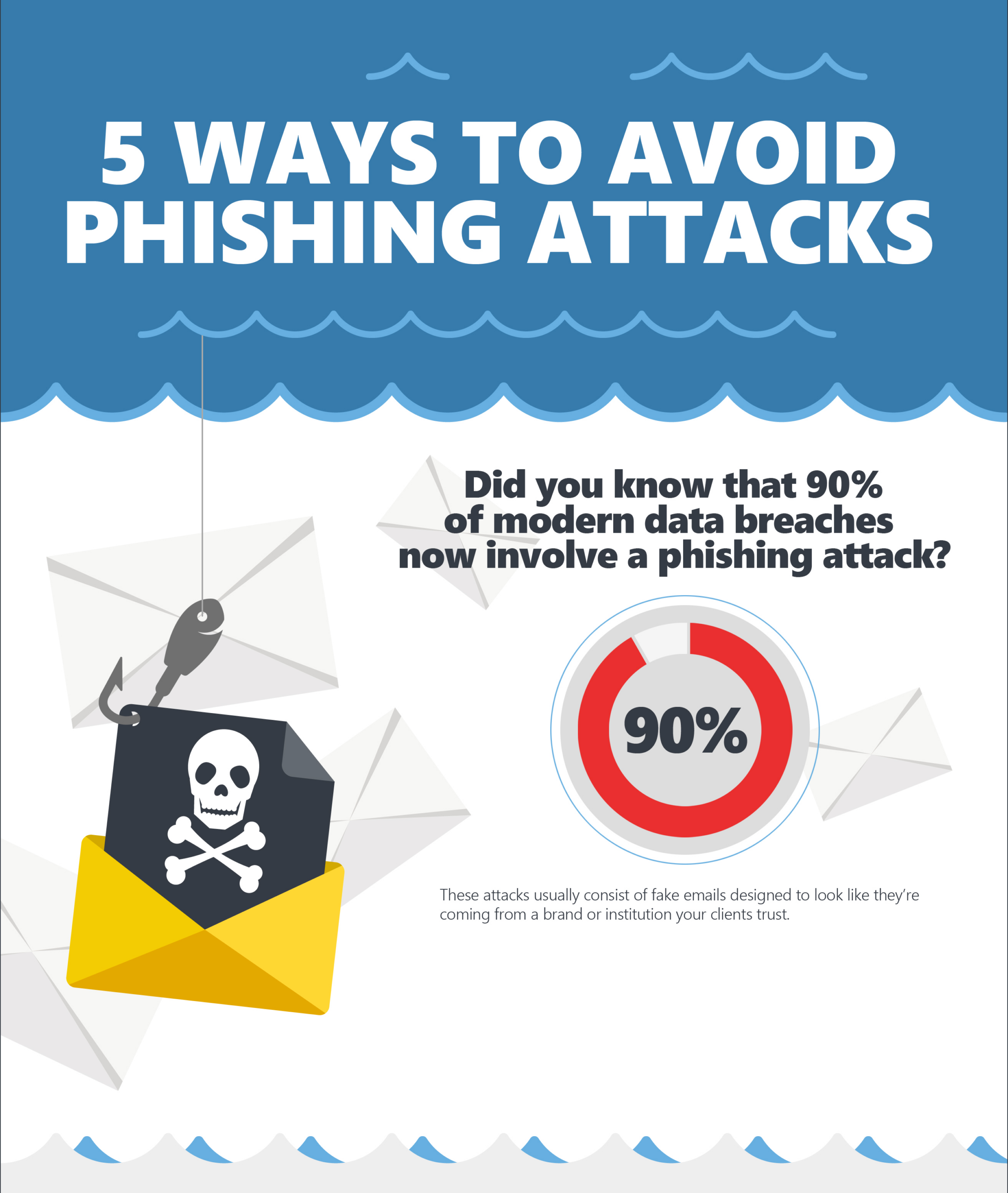
Phishing is a form of cyber attack that aims to trick individuals into revealing sensitive information, such as passwords or credit card numbers. As the digital world expands, the prevalence of phishing scams has increased dramatically, posing significant threats to both individuals and organisations. Understanding phishing is crucial in today’s internet-driven society, where online interactions and transactions are common.
The Various Forms of Phishing
Phishing comes in various forms, each employing different tactics to deceive victims. The most common method is email phishing, where attackers send emails that appear to be from reputable sources, prompting users to click on malicious links or attachments. According to the Anti-Phishing Working Group (APWG), there were over 200,000 reported phishing attacks in the first quarter of 2023 alone.
“Spear phishing” is another targeted form, where attackers customise messages for specific individuals or companies, increasing the likelihood of success. A more advanced version is whaling, which generally targets high-profile individuals, such as executives within a company.
Moreover, SMS phishing, or smishing, has emerged as a newer tactic where attackers send fraudulent texts to lure victims. Additionally, voice phishing, or vishing, involves phone calls impersonating trusted entities to retrieve confidential information.
The Impact of Phishing
The impact of phishing can be devastating. Victims may suffer financial losses or identity theft, with the global cost of cybercrime expected to reach $10.5 trillion annually by 2025. Major corporations have reported significant financial and reputational damage due to successful phishing attacks, underscoring the vital need for awareness and education.
Preventing Phishing Attacks
Preventing phishing requires vigilance and proactive measures. Users are advised to:
- Be cautious with emails from unknown senders.
- Check URLs for authenticity before clicking.
- Enable two-factor authentication whenever possible.
- Keep software and security systems up to date.
- Educate themselves about common phishing tactics.
Conclusion
In conclusion, phishing remains a prominent threat in today’s digital landscape. As cybercriminals continue to evolve their tactics, ongoing education and awareness are essential in defending against these attacks. By understanding what phishing is and taking proactive measures, individuals and organisations can significantly reduce their risk of becoming victims of this malicious practice. Staying informed and cautious online is key to safeguarding personal and financial information.