Introduction
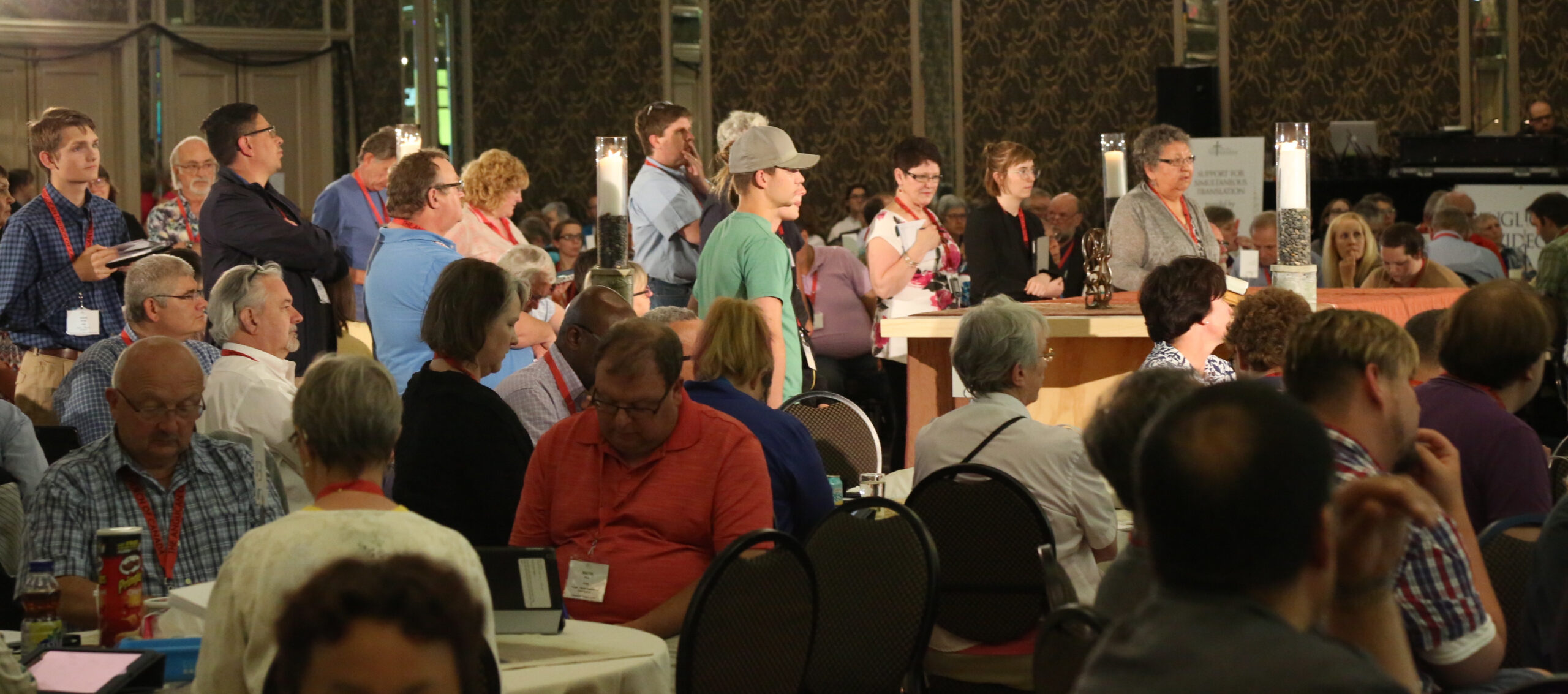
The General Synod, the governing body of the Church of England, convened today for an important meeting that addressed various pressing issues facing the church. This gathering is significant not only for its immediate impact on church policy but also for the broader implications it holds for the Anglican community and its followers throughout the UK and beyond.
Today’s Key Discussions
Today’s sessions were marked by vigorous debates and insightful discussions. One of the major topics was the ongoing discourse about the Church’s position on issues of gender and sexuality. Following recent discussions in previous sessions, members voted on a proposal to embrace a more inclusive approach towards gender identity, which was met with both support and opposition among the clergy.
Additionally, the Synod examined its strategy for addressing climate change, in line with the church’s commitment to environmental stewardship. A motion was passed to implement sustainable practices in all church operations, aimed at reducing the carbon footprint of the church by 50% by 2030. This move is seen as a strong statement of faith and responsibility, reflecting the church’s moral duty to care for God’s creation.
Significant Resolutions
Among the significant resolutions passed was a commitment to enhance support for mental health initiatives within the church community. This includes training for clergy and lay leaders to better equip them in recognizing and assisting with mental health issues, a response deemed critical especially in light of the mental health crisis exacerbated by the pandemic.
Conclusion
The decisions made today at the General Synod are poised to have a profound effect on the Church of England and its mission. As the clergy and laity engage with these issues, it highlights a crucial moment for the church to evolve and respond to contemporary societal challenges while remaining true to its core values. The implications of today’s discussions will resonate in the coming months, influencing both local church practices and broader Anglican policies worldwide.