Introduction
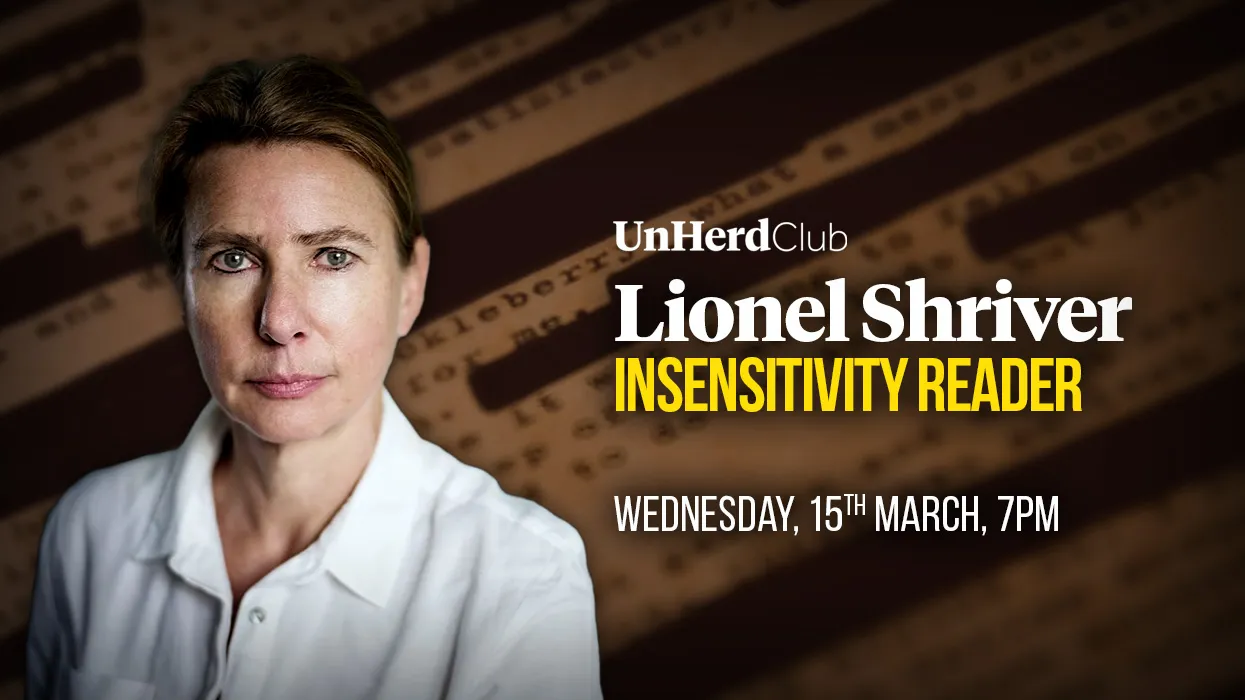
Lionel Shriver is a celebrated author known for her incisive storytelling and exploration of complex social themes. Her works often stir deep conversations about cultural norms, personal identity, and societal expectations. As a prominent literary figure, Shriver’s contributions to contemporary literature are crucial, particularly in a world increasingly engaged in debates of identity and culture.
Main Body
Born on May 18, 1957, in Gastonia, North Carolina, Shriver’s literary career blossomed with the release of her critically acclaimed novel, We Need to Talk About Kevin (2003). The novel delves into the psyche of a mother grappling with the aftermath of her son’s horrific actions, presenting a chilling narrative that questions the nature of parenting and the roots of violence. This work elevated her status significantly, earning her the Orange Prize for Fiction in 2005.
In her subsequent novels, such as So Much for That (2010) and Big Brother (2013), Shriver continues to address pressing issues like chronic illness and the complexities of modern relationships. Her versatile writing style, which shifts effortlessly between emotional depth and sharp humour, has garnered a diverse readership.
In 2022, Lionel Shriver was in the spotlight once more with the publication of Should We Stay or Should We Go, a novel that explores the philosophical dilemmas surrounding life and death decisions that many people face as they age. Her engagement in these topics resonates with a global audience, amplifying her voice and influence in discussions surrounding healthcare and ethics.
Aside from her fiction, Shriver is also known for her essays and commentary on various social issues, often appearing in publications such as The Guardian and The New York Times. Her perspective is marked by a willingness to delve into contentious debates, advocating for intellectual honesty and critical thinking.
Conclusion
Lionel Shriver stands as a significant literary force whose work prompts essential conversations about the human condition. As readers encounter her narratives, they are invited to reflect on difficult subjects that many prefer to avoid. Looking ahead, Shriver’s influence is likely to endure as she continues to challenge societal norms and provoke thoughtful discourse. Her ability to weave intricately personal stories with broader social themes guarantees her place in contemporary literature, sustaining her relevance in an evolving cultural landscape.