Introduction
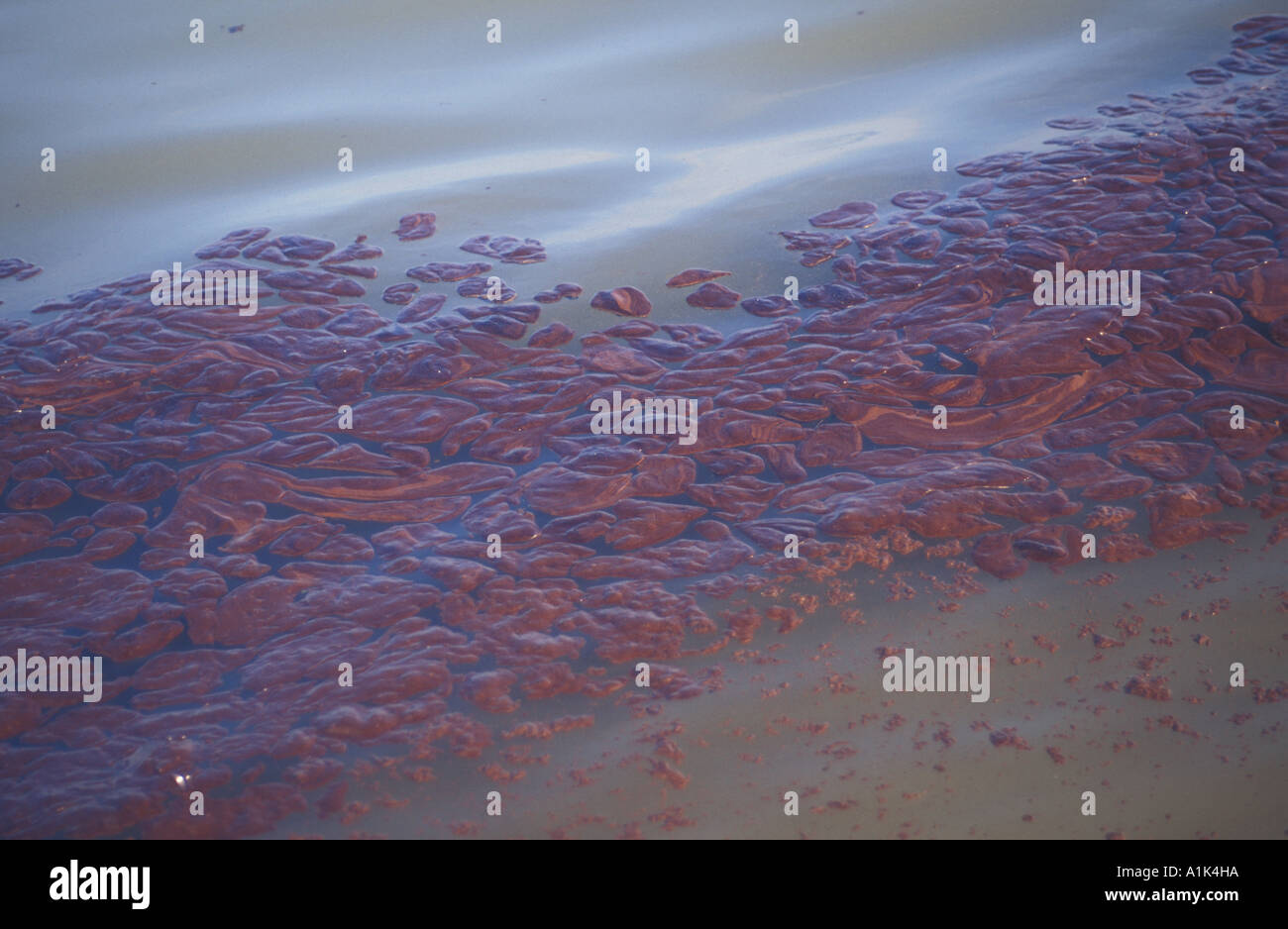
The Sea Empress oil spill, which occurred in February 1996 off the coast of Pembrokeshire, Wales, remains one of the most significant maritime environmental disasters in UK history. The incident not only inflicted considerable damage on local ecosystems but also highlighted the importance of maritime safety regulations and spill response strategies.
The Incident
On 15 February 1996, the Sea Empress, a Liberian-registered crude oil tanker, ran aground near the entrance to Milford Haven. During the subsequent attempts to refloat the vessel, a series of unfortunate events led to a catastrophic breach of its hull, resulting in approximately 72,000 tonnes of crude oil being discharged into the sea. The spill spread across 80 miles of coastline, causing extensive harm to marine life, wildlife, and local communities that relied on fishing and tourism.
Environmental Impact
The immediate aftermath of the spill had devastating effects on local flora and fauna. Among the most affected species were seabirds, seals, and various fish populations. The area surrounding the spill was ecologically rich, making the ramifications even more pronounced. Cleaning efforts deployed over 1,000 volunteers and significant resources, but the long-term ecological impacts persisted for years, disrupting food chains and leading to long-term declines in certain species.
Public Response and Recovery
The Sea Empress oil spill ignited public outrage and led to increased scrutiny of shipping practices and maritime regulations. In the years following the disaster, the UK government and legislative bodies focused on enhancing safety protocols for oil tankers, improving navigation systems, and ensuring that better emergency response plans were established in vulnerable coastal areas. The incident also marked a shift in public perception regarding the fragility of marine environments and the crucial role of environmental stewardship.
Conclusion
The Sea Empress oil spill serves as a poignant reminder of the vulnerabilities associated with oil transport and the potential consequences of maritime accidents. Years later, the incident continues to inform maritime policy and environmental practices. It has encouraged a greater commitment to protecting marine ecosystems and has underscored the necessity of international cooperation in preventing similar disasters in the future. As the impacts of climate change and human activity on marine environments become ever more pressing, the lessons learned from the Sea Empress must not be forgotten.