Introduction
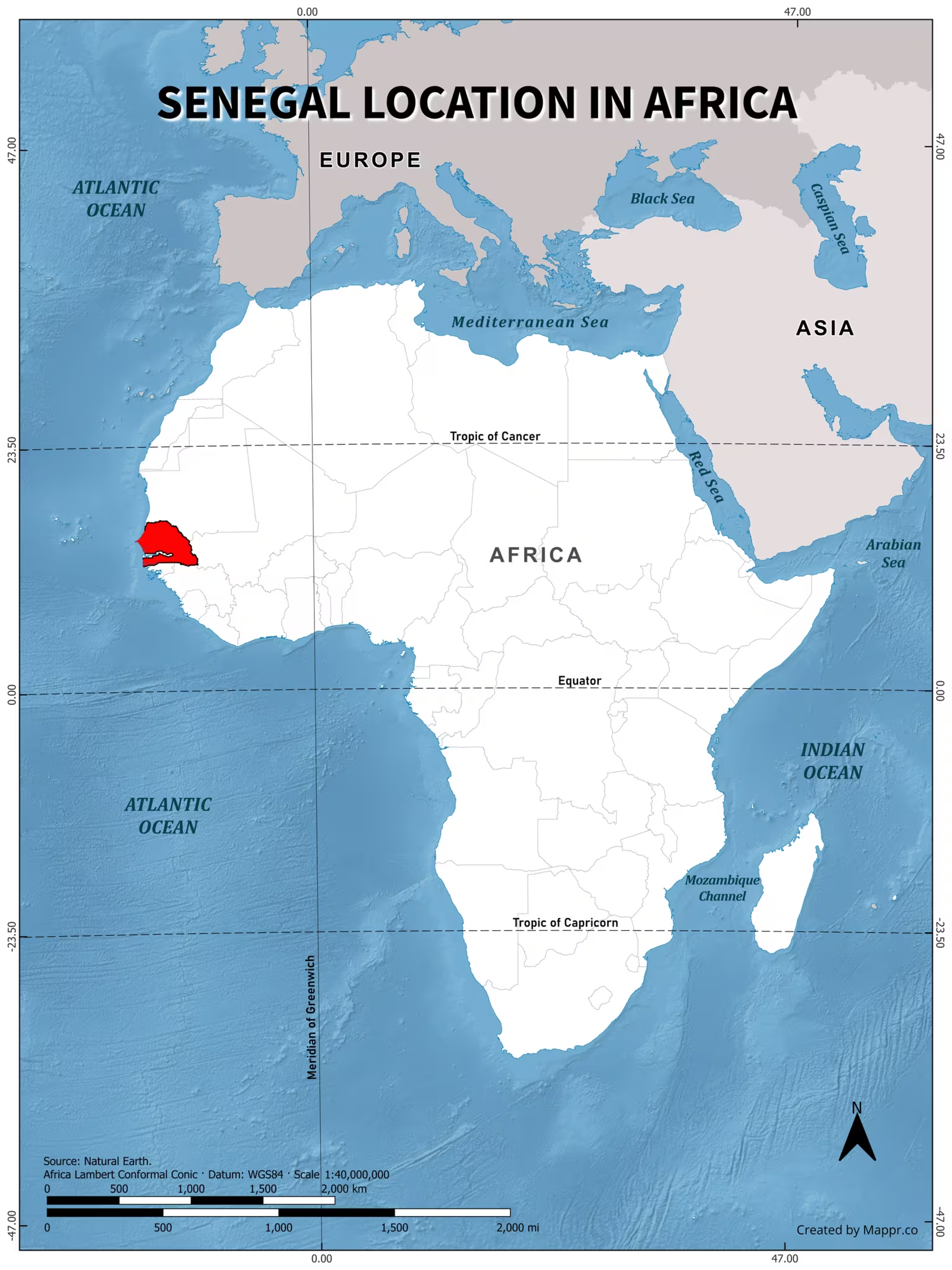
Senegal, located on the westernmost tip of Africa, is a country rich in history, culture, and natural beauty. Its strategic coastal position and multi-ethnic population have made it a hub of trade and cultural exchange for centuries. In recent years, Senegal has garnered global attention due to its political stability and robust economic performance, making it a focal point for investment and tourism in West Africa.
Political Landscape
Since gaining independence from France in 1960, Senegal has maintained a stable democratic government, which is a rarity in the region. The country has successfully navigated political changes through peaceful transitions of power. The recent presidential election in February 2024 demonstrated the nation’s commitment to upholding democratic values, drawing international observers who praised its fairness and transparency.
Economic Development
Senegal’s economy is one of the fastest-growing in Africa, bolstered by sectors such as agriculture, mining, and tourism. The government has implemented various reforms to attract foreign investments, including the Emerging Senegal Plan (PSE) launched in 2014. This initiative aims to modernise infrastructure and diversify the economy, with substantial investments in the energy sector. The discovery of offshore oil and gas reserves has further positioned Senegal as a potential energy hub in the region.
Cultural Heritage
Rich in traditions, Senegal is known for its music, art, and cuisine. The capital, Dakar, is famous for its vibrant music scene, including genres like Mbalax, which fuses traditional rhythms with modern influences. The annual Dakar Biennale holds significance for contemporary art, showcasing both local and international artists. Moreover, Senegal’s culinary landscape, highlighted by dishes such as Thieboudienne (fish and rice), reflects its diverse cultural heritage.
Conclusion
In conclusion, Senegal stands out as a model of democratic governance and economic resilience in West Africa. Its cultural richness continues to attract tourists and investors alike, presenting numerous opportunities for growth and collaboration. As Senegal moves forward, it remains essential for both citizens and the international community to engage in sustainable development practices that respect its heritage, paving the way for a prosperous future.