Introduction
Waterloo Station stands as one of London’s busiest and most iconic transport terminals. Opened in 1848, it is pivotal for the city’s rail connectivity, serving both commuters and tourists alike. With over 100 million passengers passing through each year, Waterloo plays an essential role in the daily movement of people in the capital.
Importance of Waterloo Station
Located in the heart of London, Waterloo Station connects the capital to several key destinations across the UK, including popular locations such as Bournemouth, Southampton, and Exeter. The station is also a significant starting point for access to the London Underground, with connections to the Bakerloo, Jubilee, Northern, and Waterloo & City lines. This connectivity is vital for the functioning of London’s economy, demonstrating the importance of well-integrated transport systems.
Recent Developments
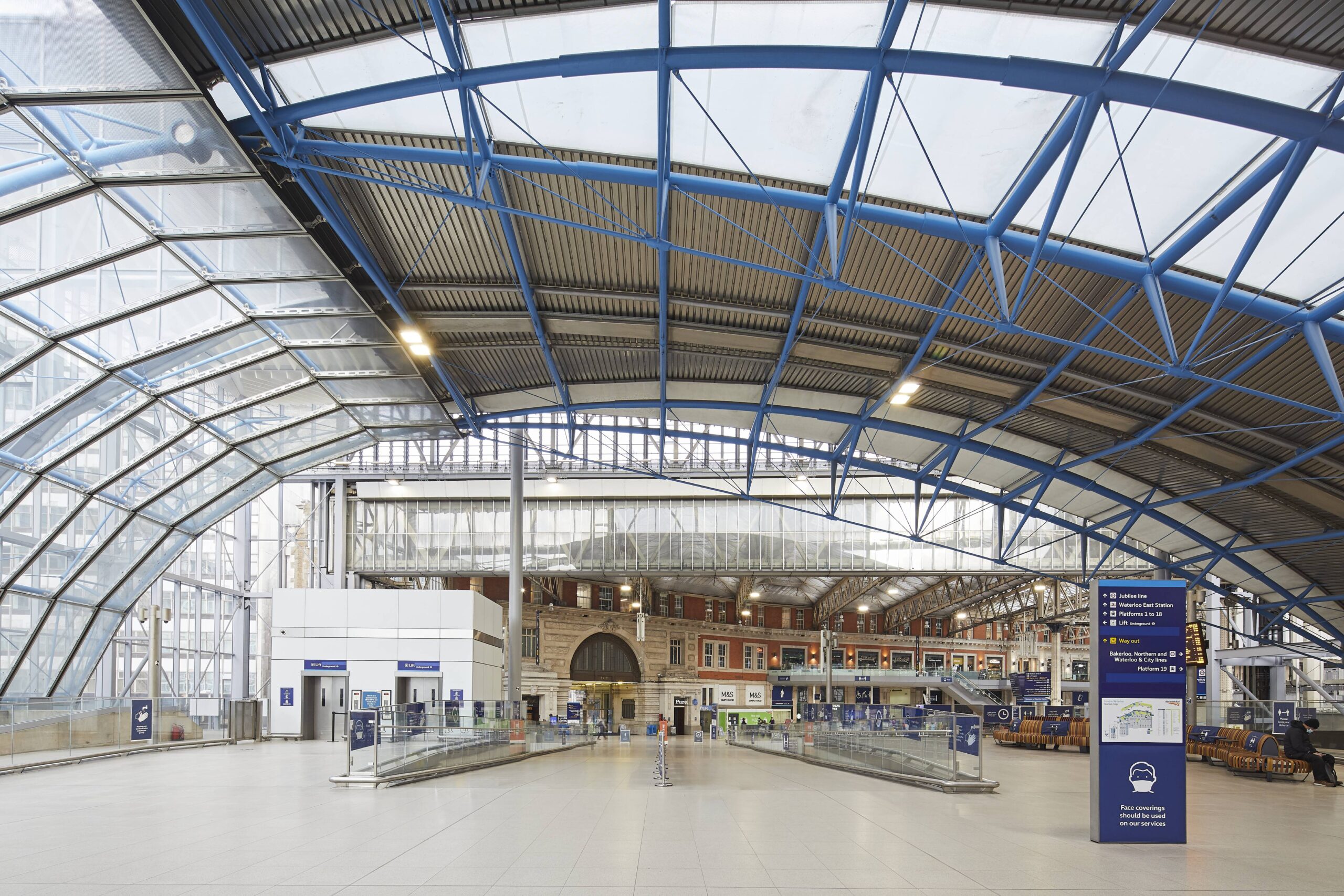
Recently, Waterloo Station has seen various upgrades and improvements aimed at enhancing passenger experience. Following a £20 million investment, the concourse has been redesigned to accommodate increasing foot traffic and improve accessibility. New retail spaces, including cafes and shops, have been added, making it a more inviting environment for travellers. Additionally, safety measures following the COVID-19 pandemic have been implemented, ensuring that health protocols are prioritised.
Challenges Ahead
Despite recent improvements, Waterloo Station faces ongoing challenges. With increasing footfall expected in the future, significant strain on infrastructure and resources could emerge. Experts predict that by 2030, passenger numbers may reach new highs, necessitating further investments in both the station itself and surrounding transport links.
Conclusion
Waterloo Station exemplifies the crucial role of transport hubs in urban settings. As London continues to grow, the station will need to adapt to changing demands while maintaining its status as a key connection point within the British rail network. For commuters, visitors, and city planners alike, Waterloo’s evolution will be a significant aspect of London’s transport landscape for years to come.