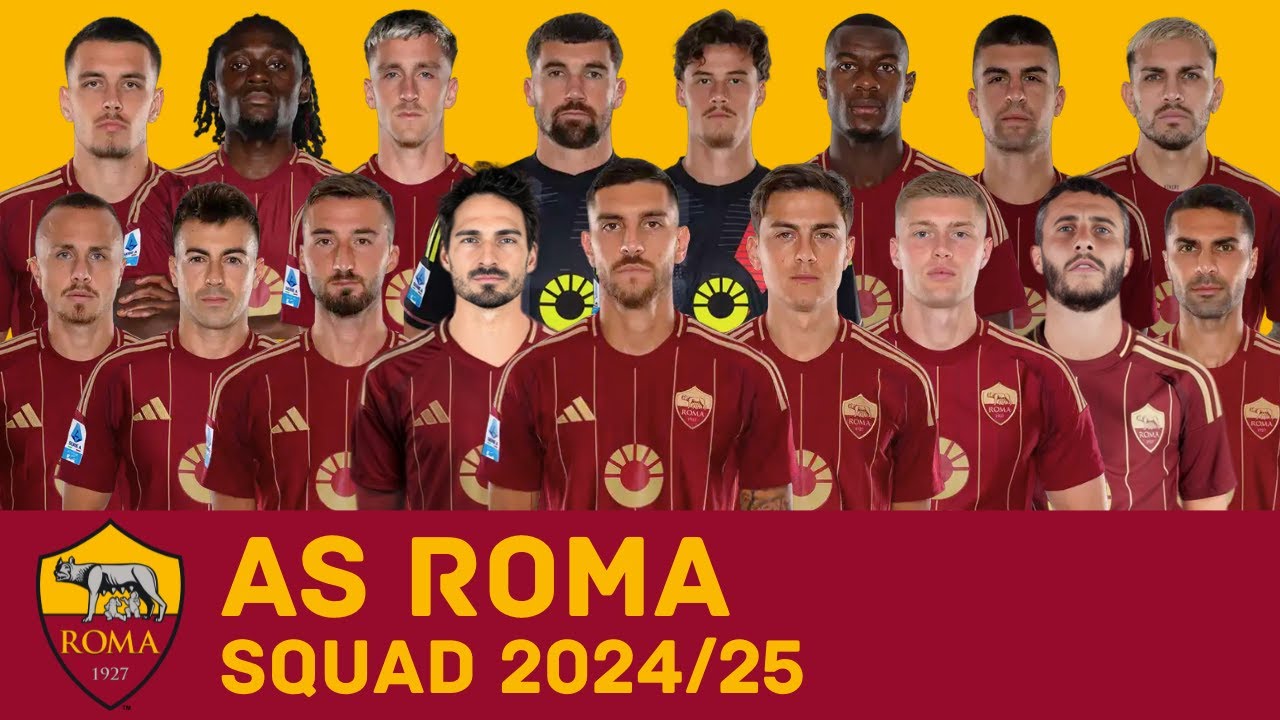
Introduction
AS Roma, popularly known as Roma FC, stands as one of Italy’s most storied football clubs, with a rich legacy in both domestic and international competitions. Founded in 1927, the club has developed a passionate following and a competitive reputation in Serie A. Understanding Roma FC is vital, not just for its historical significance but also for its evolving role within the football landscape of today.
The Historical Context
AS Roma was established through a merger of three clubs in the city, aiming to create a single, successful team that could challenge the dominance of clubs like Juventus and Lazio. Over the decades, Roma has seen numerous highs and lows, including three Serie A titles and nine Coppa Italia victories. The club’s golden period came in the 1980s when they won their first Scudetto in 1983 and reached the UEFA Champions League final in 1984.
Recent Developments
As of the latest season, Roma FC is under the management of José Mourinho, who joined the club in 2021. Mourinho’s appointment has brought renewed hope and direction, culminating in their triumph in the inaugural UEFA Europa Conference League in May 2022. This victory marked a significant accomplishment for the club, adding to their history and providing a platform for future aspirations.
This current season has shown mixed results for Roma FC. They have had commendable performances in Serie A, remaining competitive in the top half of the table as of October 2023, but have faced challenges in UEFA competitions. Injuries to key players, including Captain Lorenzo Pellegrini, have tested their squad depth and resilience.
Fan Engagement and Community Impact
Roma FC’s supporters, known as the ‘Giallorossi’ (The Yellow and Reds), play a crucial role in the club’s identity. The iconic Stadio Olimpico serves as a fortress where the passion of the fans fuels the players’ performances. The club actively engages in community initiatives, showcasing its commitment beyond the pitch. Roma is focused on empowering local youth through football, education, and social responsibility programs.
Conclusion
In conclusion, AS Roma continues to be a pivotal part of Italian football tradition, blending a rich historical tapestry with modern ambitions. While recent seasons have posed challenges, the management’s commitment and passionate fanbase provide a solid foundation for future growth. As they strive for success in Serie A and beyond, the club’s legacy will undoubtedly continue to inspire generations of supporters, solidifying Roma FC’s place in football history.