Introduction
The Quran, the holy book of Islam, holds a central place not only in the lives of over a billion Muslims worldwide but also in discussions regarding spirituality, ethics, and global peace. Its significance extends beyond religious confines, impacting cultural, social, and political realms. Understanding the Quran is crucial in appreciating its role in shaping societies and fostering interfaith dialogues in our increasingly globalised world.
The Content and Teachings of the Quran
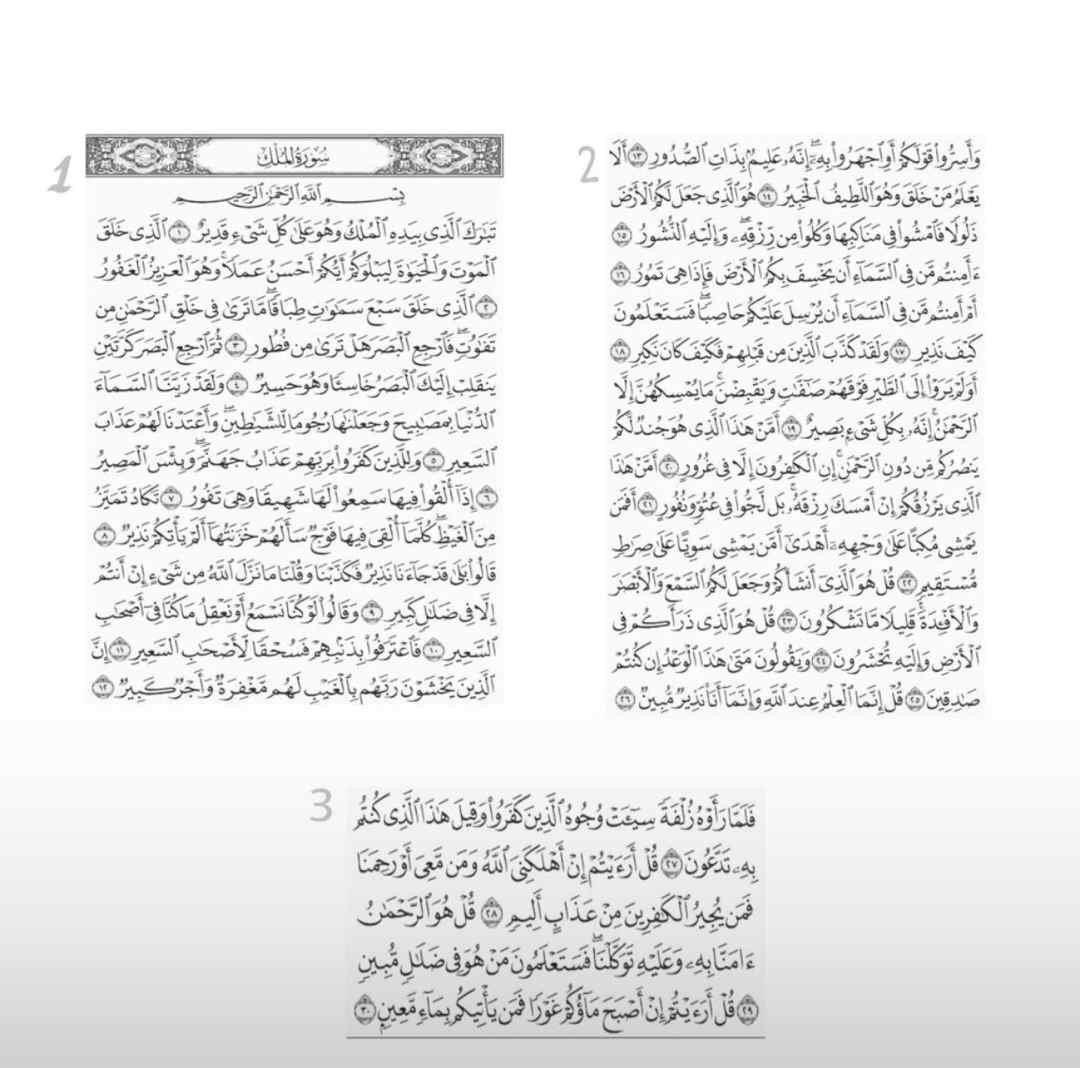
Divided into 114 chapters, or Surahs, the Quran encompasses a wide array of themes, including guidance on personal conduct, legal principles, and the nature of God. Themes such as justice, compassion, and community welfare are prevalent throughout its verses. Recitation of the Quran is also a significant practice that promotes not only spiritual growth but also memorisation and understanding of its teachings among Muslims of all ages.
Recent studies have drawn attention to its philosophical depth and ethical guidance. Scholars and students from diverse backgrounds have begun to explore the Quranic texts, highlighting their relevance in contemporary discussions about morality and justice in society.
Current Events and Community Engagement
In recent times, the Quran has garnered attention through various intersectional platforms. Educational institutions and religious organisations have initiated interfaith dialogues and Quranic literacy programs to dispel misconceptions about Islam and its teachings. Notably, events such as the Quran Awareness Month have been established in various countries to challenge stereotypes and foster understanding among different faiths.
Furthermore, the rise of digital platforms has allowed access to Quranic texts and interpretations in multiple languages, facilitating a broader understanding beyond traditional Muslim communities. Many apps and websites now offer free resources, helping to dispel myths and encourage learners to engage with the text.
Conclusion
In conclusion, the Quran’s relevance extends far beyond the confines of a religious text. As societies grapple with challenges such as intolerance and misunderstanding, the teachings of the Quran can serve as a powerful resource for fostering dialogue, understanding, and cooperation across cultural divides. As we move towards a more interconnected world, understanding the Quran’s teachings can play a crucial role in promoting peace and mutual respect among diverse communities. Future initiatives should focus on encouraging open discussions and furthering educational opportunities regarding the Quran, thereby nurturing a culture of mutual respect and understanding.