Introduction to Solar Eclipses
Solar eclipses are remarkable celestial events that occur when the Moon passes between the Earth and the Sun, temporarily blocking the Sun’s light. This awe-inspiring phenomenon has captivated human imagination for centuries, often falling into the realms of science, culture, and superstition. Understanding solar eclipses not only invites us to explore astronomy but also emphasizes their importance in predicting natural cycles and phenomena.
The Science Behind Solar Eclipses
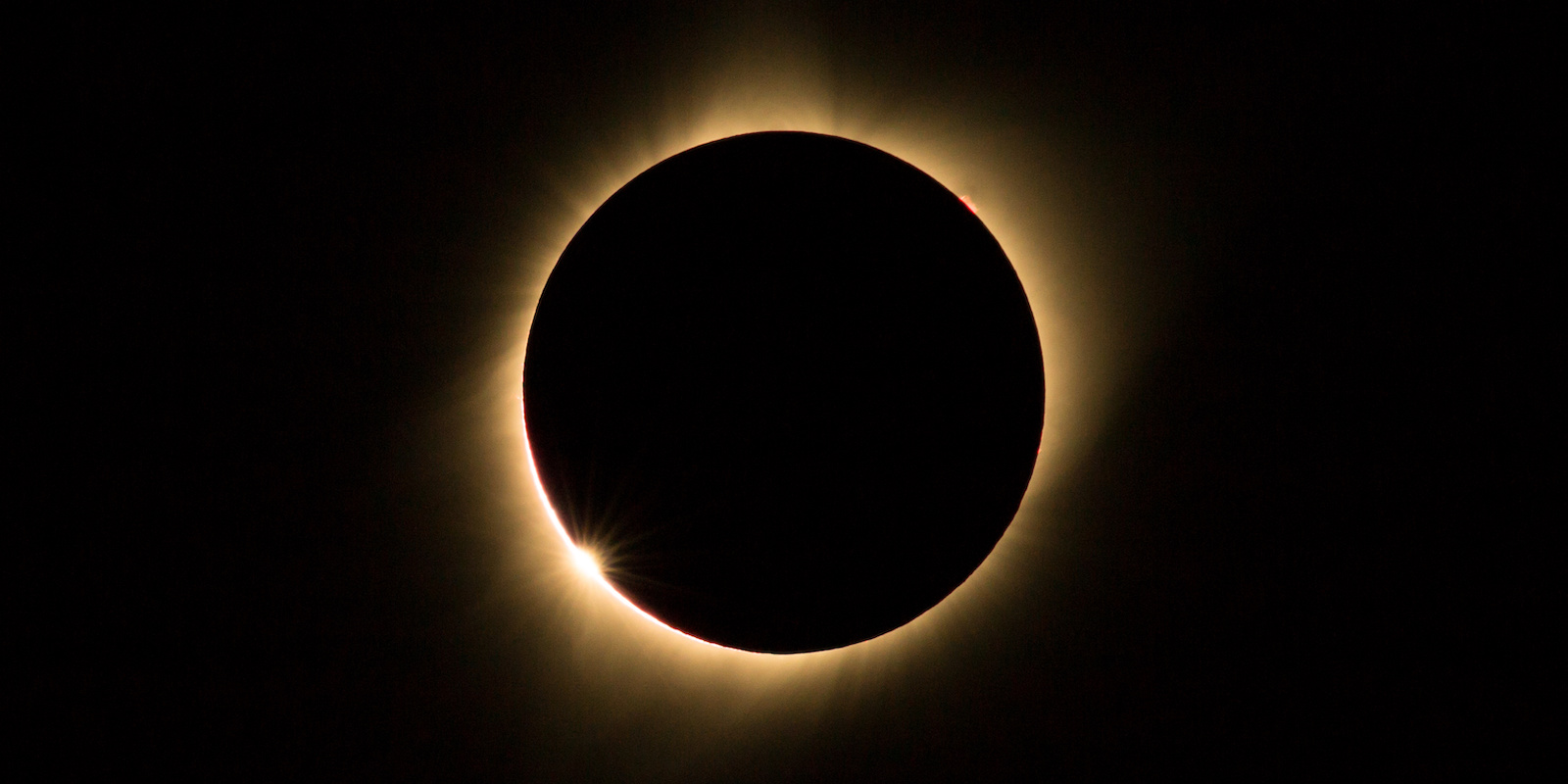
There are three primary types of solar eclipses: total, partial, and annular. In a total solar eclipse, the Moon completely covers the Sun, creating a striking visual effect known as the solar corona. During a partial solar eclipse, only a portion of the Sun is obscured, while an annular solar eclipse occurs when the Moon is too far from the Earth to fully cover the Sun, resulting in a ‘ring of fire’ appearance around the Moon.
The next significant event for skywatchers will occur on April 20, 2023, when a hybrid solar eclipse will create both total and annular displays, depending on the observer’s location. Eclipses can be predicted with remarkable accuracy thanks to centuries of observations and advanced astronomical models.
Cultural Impact and Historical Significance
Throughout history, solar eclipses have been met with a mix of fear, excitement, and reverence. Ancient civilisations often viewed these events as portents or omens. For instance, the Mayans and the Chinese considered eclipses as signs from the gods, leading to various cultural rituals. Modern science now explains these phenomena; however, the awe they inspire remains unchanged. Today, gatherings and events are often arranged around eclipses, where people come together to share the experience.
Looking Ahead: Future Eclipses
Beyond the upcoming April eclipse, interest in solar eclipses will continue to grow. Major eclipses are on the horizon, including a total solar eclipse expected to sweep across North America on April 8, 2024. Such events provide excellent opportunities for education and knowledge-sharing across communities. Additionally, they often boost local economies through tourism as people travel to optimal observation spots.
Conclusion
Solar eclipses not only remind us of our planet’s dynamic relationship with celestial bodies but also invite collective experiences that transcend borders and cultures. Whether one is a casual observer or an avid astronomy enthusiast, the wonder of watching a solar eclipse is an event that should not be missed. As interest in these cosmic displays continues to rise, we can expect deeper engagement with science and a broader appreciation of our universe’s mysteries.