Introduction
The rivalry between India and Pakistan is one of the most intense and storied in the world, often spilling beyond the cricket field into politics and social narratives. The historical backdrop of partition in 1947 has fostered a rich tapestry of competition, animosity, and connection that shapes the contemporary relationship between these two nations. Understanding this rivalry is crucial not just for sports enthusiasts but for anyone interested in global politics and cultural dynamics.
Cricket: The Battlefield
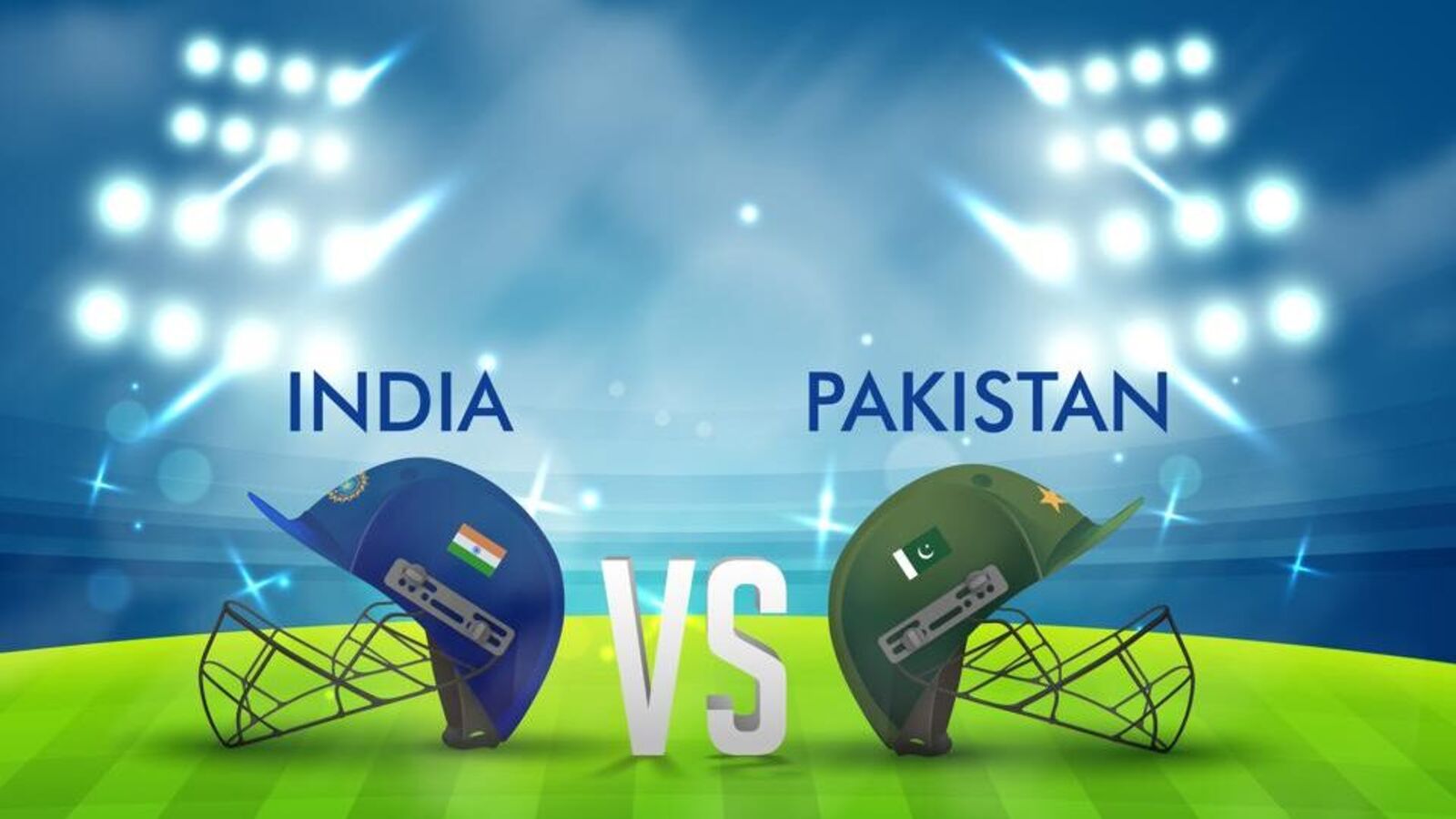
Cricket serves as a symbolic arena for the India-Pakistan rivalry, drawing millions of viewers and creating unforgettable moments. In recent times, matches between the two countries, such as the T20 World Cup encounters, have captured global attention. During the 2021 T20 World Cup, Pakistan secured its first victory over India in a World Cup match, marking a significant moment in cricket history. This rivalry not only showcases outstanding sporting talent but also acts as a microcosm for broader national pride and identity.
Cultural and Political Context
Beyond cricket, the historical tensions between India and Pakistan find their roots in territorial disputes, particularly over the Kashmir region. The ongoing conflict has led to significant military encounters, diplomatic manoeuvres, and has shaped the national narratives of both countries. Recent government actions, including ceasefire agreements along the Line of Control and back-channel talks, indicate a fluctuating relationship that continues to evolve under changing political landscapes.
Public Sentiment and Perception
The public perception in both nations is profoundly influenced by media portrayal and historical grievances. In India, there is a persistent sentiment of national pride which often overshadows the need for dialogue and resolution. Conversely, in Pakistan, there is a strong sense of nationalism that is deeply intertwined with resistance against perceived injustices inflicted by India. This dichotomy leads to an environment where sports, especially cricket, become an outlet for expressions of national identity.
Conclusion
The significance of the India vs Pakistan rivalry extends beyond mere sporting contests; it embodies complex historical grievances and cultural pride. As both nations face modern challenges, including economic issues and international relations, the hope for a future marked by constructive engagement grows. The ‘game’ is larger than cricket – it captures the spirit and resilience of two nations entwined in a legacy that continues to evolve. For readers, understanding the nuances of this rivalry is essential, as it influences not just sports but the broader socio-political landscape in South Asia.