









Introduction to Phishing
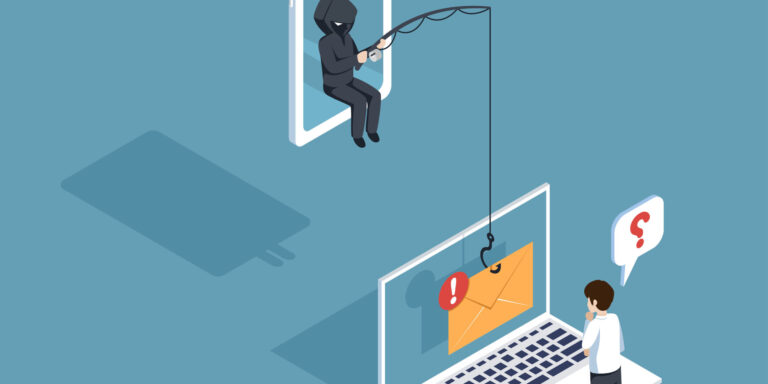
Phishing is a cyber-crime that seeks to deceive individuals into providing sensitive information, such as usernames, passwords, and credit card details by impersonating a trustworthy entity in electronic communications. As online banking, e-commerce, and social media platforms proliferate, understanding phishing is more crucial than ever. With thousands of phishing attacks reported daily, staying informed can help protect your personal data and prevent financial loss.
Types of Phishing
Phishing can take several forms, primarily classified into the following categories:
- Deceptive Phishing: This is the most common type, where attackers impersonate legitimate entities, often establishing fake websites to collect personal information.
- Spear Phishing: Unlike generic phishing attempts, spear phishing targets specific individuals or organisations, making it more convincing and dangerous.
- Whaling: This form specifically targets high-profile individuals, such as company executives, where attackers go to great lengths to make their attacks appear legitimate.
- Vishing and Smishing: Phishing can also occur via phone calls (vishing) or text messages (smishing), where attackers try to convince victims to share information.
Recent Trends and Incidents
The proliferation of remote work has led to a surge in phishing attempts, as cybercriminals exploit the increased vulnerabilities associated with home networks and personal devices. According to a report from the Anti-Phishing Working Group (APWG), reports of phishing increased by 75% in the first half of 2023 compared to the previous year. Major organisations, including well-known banks and tech companies, have been targeted, resulting in significant financial losses and data breaches.
How to Protect Yourself
Awareness is the first line of defence against phishing attacks. Here are some measures you can adopt:
- Avoid clicking on links or downloading attachments from unknown emails.
- Check the sender’s email address carefully to verify authenticity.
- Use two-factor authentication on your accounts for added security.
- Keep your software and security systems updated to defend against potential threats.
Conclusion
Phishing remains a prevalent threat in today’s digital landscape, with various tactics employed by cybercriminals to deceive unsuspecting victims. By staying informed about the different types of phishing, recognising recent trends, and implementing protective strategies, individuals can significantly reduce their risk of falling victim to these attacks. As technology evolves, so must our vigilance and awareness towards safeguarding personal information from this persistent cyber threat.