






Introduction
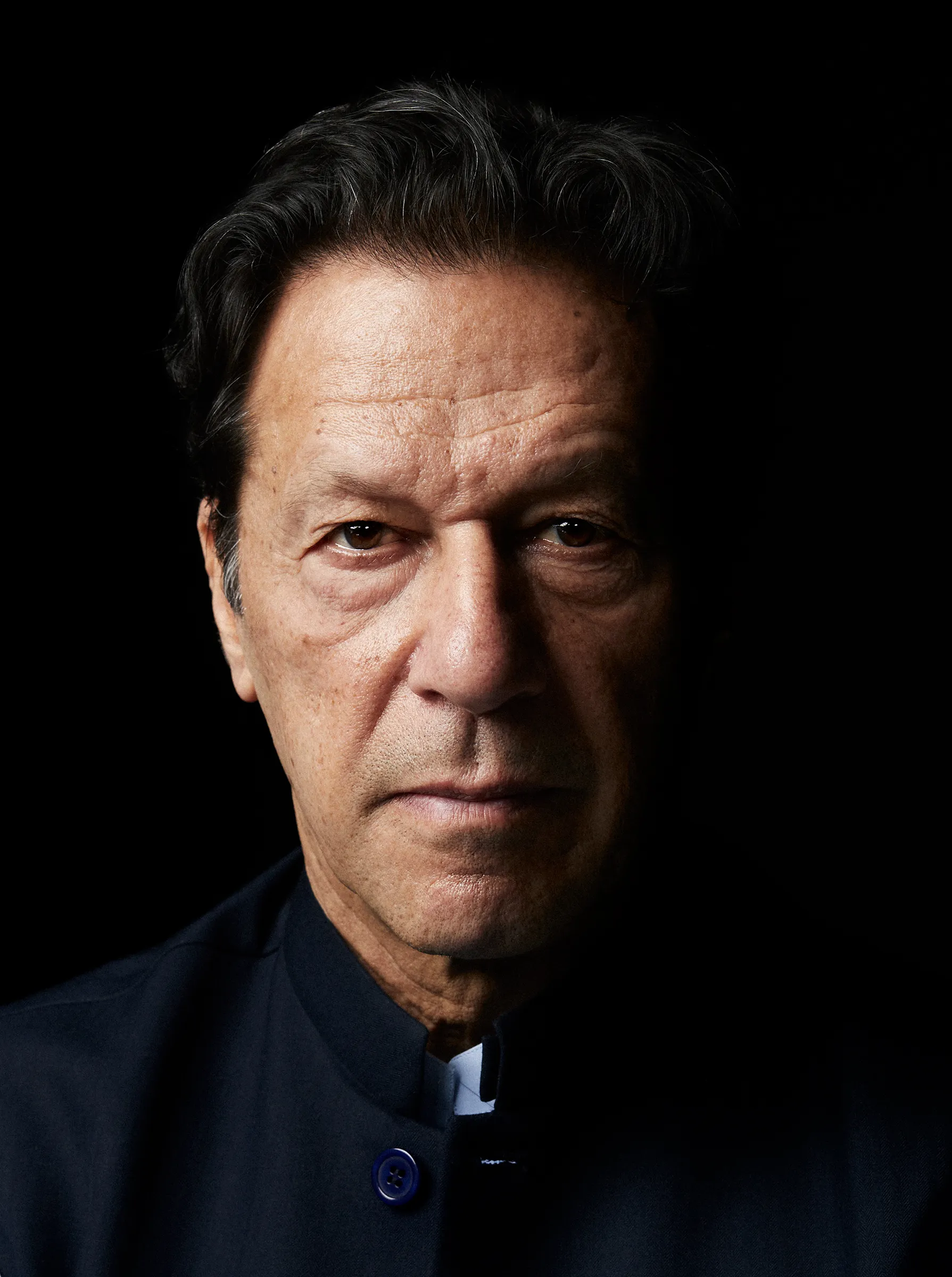
Imran Khan, the former Prime Minister of Pakistan and the current leader of the Pakistan Tehreek-e-Insaf (PTI) party, has been a crucial political figure since his entry into politics in 1996. His recent legal challenges and political developments are garnering significant attention, both domestically and internationally. Understanding the implications of these events helps stakeholders, including citizens and political analysts, gauge Pakistan’s future political landscape.
Background on Imran Khan
Imran Khan, once a celebrated cricket player, transitioned into politics with the aim of reforming Pakistan’s socio-economic and political environment. After years of struggle, he ascended to the Prime Minister’s office in August 2018. His tenure faced multiple challenges, such as economic instability and political opposition, leading to his ousting in April 2022.
Recent Legal Issues
In recent months, Khan has faced serious legal troubles that could hinder his political aspirations. He has been embroiled in multiple court cases, including allegations of corruption and mismanagement of state funds. The situation escalated when he was sentenced to three years in prison in August 2023 for corruption charges related to the alleged illegal sale of state gifts. This conviction sparked widespread protests from his supporters, who see the charges as politically motivated.
Current Political Climate
The political climate in Pakistan has also shifted considerably following Khan’s legal troubles. His party, PTI, has been weakened, and street protests have become a common occurrence as supporters demand his release. Simultaneously, opposition parties are attempting to consolidate power, causing further polarization within the political landscape. The instability comes at a time when Pakistan faces severe economic challenges, including rising inflation and dwindling foreign reserves.
Conclusion
The developments surrounding Imran Khan are pivotal not only for his political future but also for Pakistan’s democratic framework and stability. Analysts predict that this situation could lead to significant shifts in political alliances and the potential for early elections. For the citizenry, the unfolding events will be crucial in determining the direction in which the nation progresses, particularly amidst the ongoing economic turbulence. Observers worldwide will be watching closely to understand the implications of Khan’s fate for Pakistan’s democracy and governance moving forward.