






Introduction
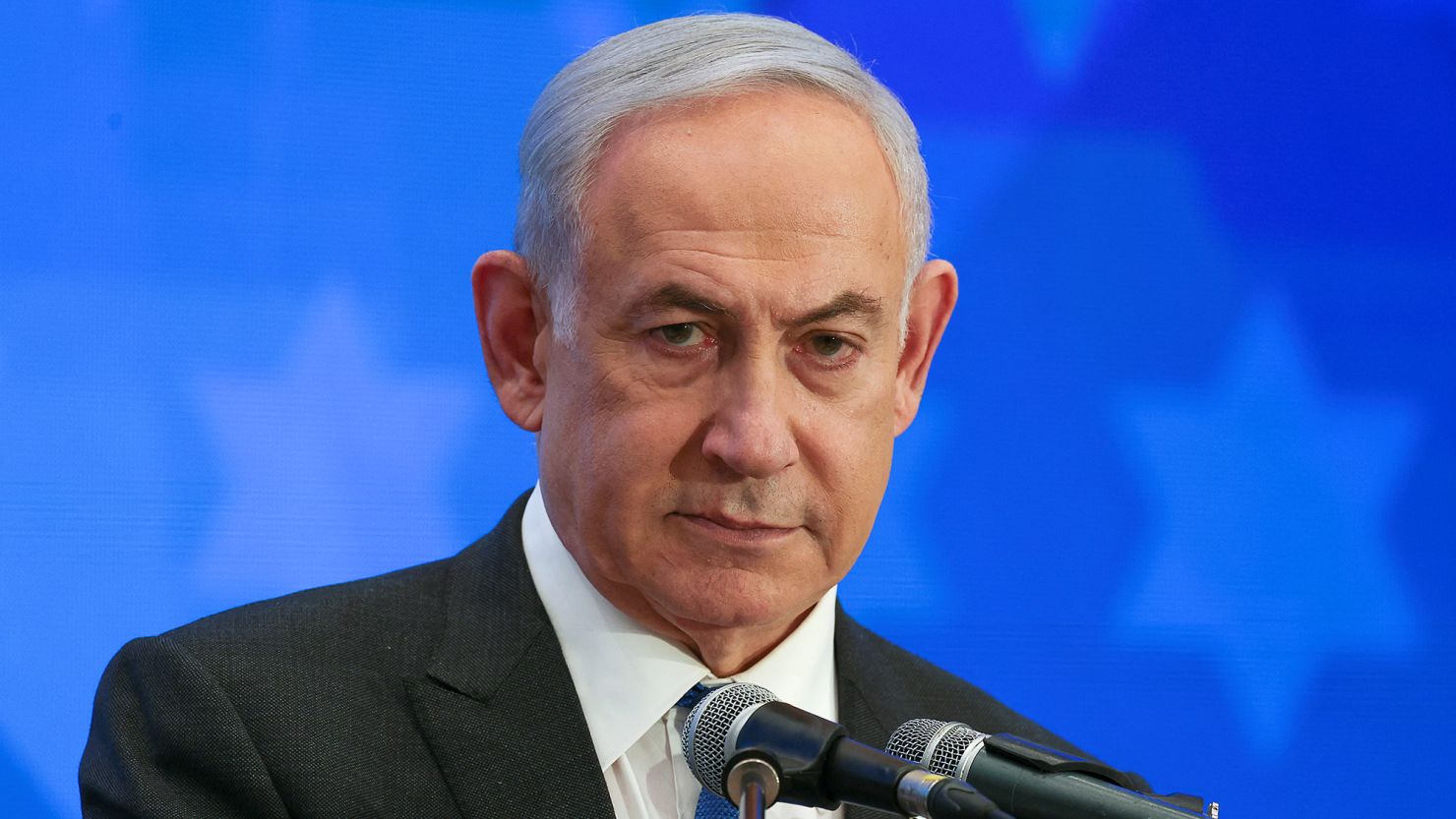
The leadership of Benjamin Netanyahu has been a focal point of political discourse in Israel and beyond, especially as the nation navigates a complex landscape of conflicts, political realignments, and social changes. As one of Israel’s longest-serving prime ministers, Netanyahu’s policies and decisions are crucial for understanding Israel’s current geopolitical and domestic situation, making it essential for citizens and observers alike to stay informed on his latest moves and their implications.
Current Political Climate
As of October 2023, Netanyahu’s administration faces significant challenges, including ongoing tensions with Palestinian groups, demographic shifts within Israel, and economic concerns exacerbated by global uncertainties. Recent protests against his government’s judicial reforms have highlighted deep divisions in Israeli society, prompting debates over the future of democracy and governance in the country.
Netanyahu retained his position as prime minister after elections in November 2022, but his coalition government remains fragile, dependent on alliances with radical right-wing factions. This dynamic has raised eyebrows both domestically and internationally, particularly regarding Israel’s approach to peace negotiations and its relationships with neighbouring Arab nations.
International Relations
On the international front, Netanyahu’s leadership continues to shape Israel’s responses to broader regional instabilities, notably the ongoing conflict in Gaza. Reports indicate that Israel’s military operations have intensified in response to rocket fire from militant groups, highlighting the precarious security situation. Additionally, Netanyahu’s government has been scrutinised over its handling of diplomatic relations, with some countries expressing concerns over human rights issues and a lack of significant peace progress with the Palestinians.
Future Outlook
The upcoming months are critical as Netanyahu seeks to solidify his political standing and quell unrest prior to potential further escalation in militant responses. Experts suggest that without a unified approach to address both domestic and international pressures, Israel may face significant challenges ahead. The focus on economic recovery and international diplomacy could prove vital for Netanyahu as he navigates his administration’s objectives.
Conclusion
In conclusion, Benjamin Netanyahu’s leadership is integral to understanding not only the future of Israel but also broader geopolitical dynamics in the Middle East. With various internal and external challenges on the horizon, the implications of his policies will significantly impact both Israeli citizens and international observers. As readers and global citizens, staying informed on these developments is crucial for comprehending the ongoing evolution of one of the region’s most critical and contentious political figures.