









Introduction to Lunar New Year
Lunar New Year is a major cultural event celebrated by millions around the world, particularly in East Asia. This festival not only marks the beginning of the lunar calendar but also serves as a time for family reunions, feasting, and various traditional practices. In 2023, Lunar New Year falls on January 22, ushering in the Year of the Water Rabbit, a symbol associated with peace, prosperity, and patience.
Global Celebrations
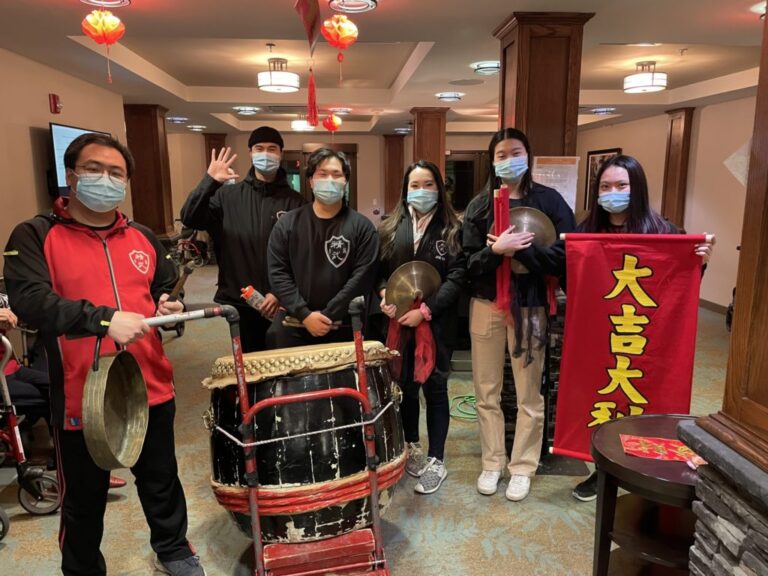
The significance of Lunar New Year extends beyond its origins; it is celebrated in numerous countries including China, Vietnam, South Korea, and Singapore, each with its own customs and traditions. In China, festivities begin with a family reunion dinner on New Year’s Eve, followed by a series of celebrations that last up to 15 days. Traditional activities include dragon and lion dances, fireworks, and the giving of red envelopes filled with money to children.
In Vietnam, the holiday is known as Tết, and alongside the customary feasting, families pay respect to their ancestors by cleaning graves and offering food and flowers at home altars. South Korea celebrates Seollal with ancestral rites called Charye, where families honour their ancestors and partake in traditional games and special foods.
Challenges and Adaptations
As the global landscape continues to shift, so too do the celebrations of Lunar New Year. The COVID-19 pandemic has affected gatherings worldwide, altering traditional practices. In 2022 and 2023, many communities adapted by promoting virtual celebrations and smaller family gatherings to ensure safety while still honouring the essence of the festival.
Moreover, with increasing global mobility and migration, Lunar New Year celebrations have broadened, with many countries outside of Asia, including the United States, Canada, and Australia, embracing these traditions. Major cities now host parades and public celebrations, reflecting a rich tapestry of cultural exchanges.
Conclusion
The Lunar New Year remains an important marker of cultural identity and continuity, underpinning values of family, tradition, and renewal. As communities come together to celebrate, the significance of these customs persists, showcasing the diverse ways in which people honour heritage while embracing contemporary realities. Looking ahead, it is likely that the popularity of Lunar New Year celebrations will continue to grow internationally, fostering greater cross-cultural understanding and appreciation.