










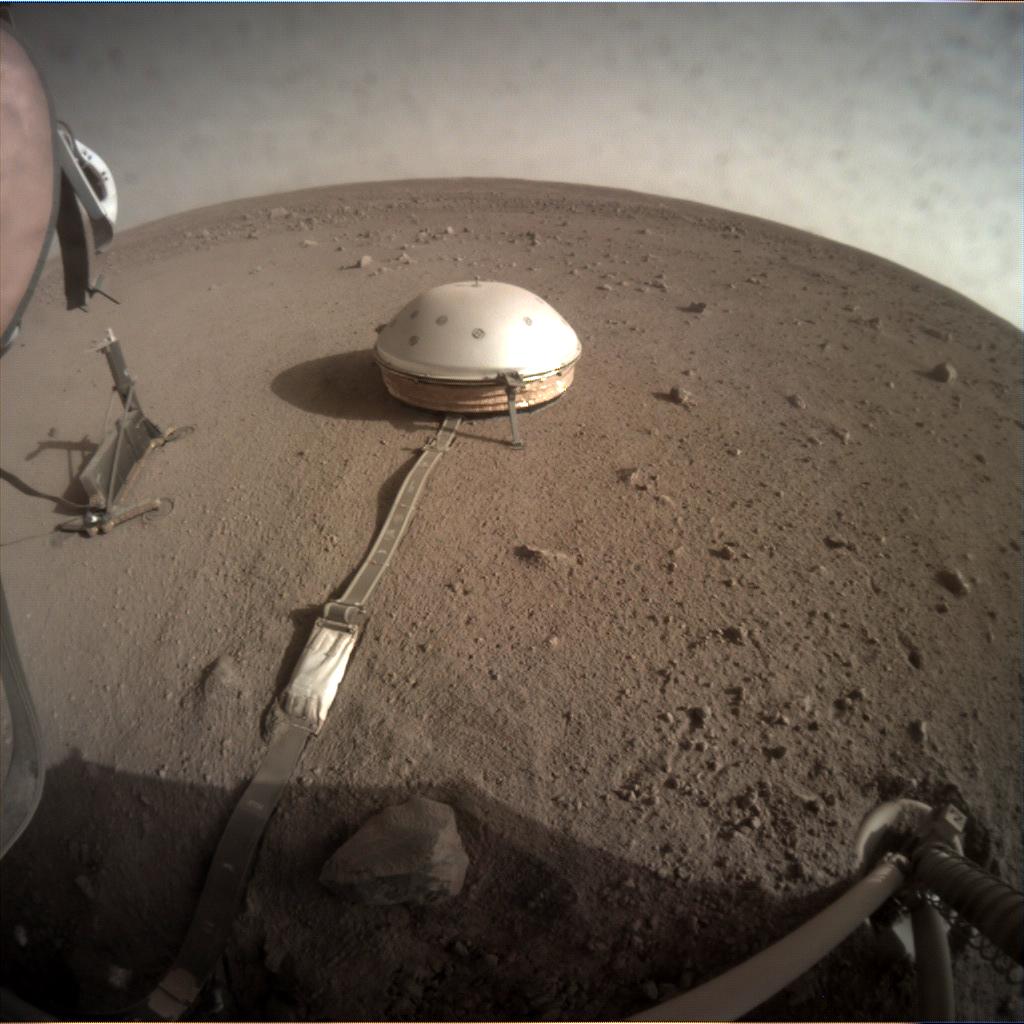
Introduction to NASA
The National Aeronautics and Space Administration (NASA) has long been at the forefront of space exploration, conducting ground-breaking research and pioneering missions that extend humanity’s understanding of the universe. Its importance cannot be overstated, as NASA not only contributes to scientific knowledge but also drives technological innovations that benefit life on Earth.
Recent Developments
In recent months, NASA has launched several significant missions. The Artemis program, which aims to return humans to the Moon by 2024, is underway with the successful launch of Artemis I, an uncrewed mission to test the Space Launch System (SLS) and Orion spacecraft. This mission marks a critical step towards establishing a sustainable human presence on the Moon and testing technologies needed for future Mars exploration.
Moreover, the James Webb Space Telescope (JWST) has provided unprecedented images and data, enabling astronomers to look deeper into the cosmos than ever before. Since its launch earlier this year, JWST has successfully made significant astronomical discoveries, including finding new exoplanets and studying the atmospheres of distant celestial bodies.
NASA’s Technological Innovations
In addition to exploration efforts, NASA is also focusing on technology development that has the potential for far-reaching impacts. The agency has been working on sustainable aviation technologies aimed at reducing emissions and noise pollution in commercial air travel. This is in line with NASA’s commitment to combat climate change and promote greener technologies that can enhance the quality of life on Earth.
Furthermore, NASA’s collaboration with private companies through initiatives like the Commercial Crew Program showcases its strategy to foster innovation and reduce costs associated with space travel. Companies such as SpaceX and Boeing are instrumental in providing transportation to the International Space Station (ISS), opening new avenues for research and collaboration.
Conclusion
NASA remains a pivotal player in the realm of space exploration and scientific research. Its ongoing missions, such as those aimed at the Moon and Mars, alongside advancements in aerospace technology and partnerships with the private sector, signal a promising future. For readers, staying informed about NASA’s initiatives not only enhances our appreciation for the wonders of the universe but also encourages a collective vision for sustainable development and scientific discovery on Earth. As NASA continues to inspire generations, its role in shaping the future of space exploration and innovation is set to expand dramatically.