









Introduction
The Elizabeth Line, which officially opened in May 2022, represents a significant advancement in London’s transport infrastructure. This new railway line, named after Queen Elizabeth II, enhances connectivity between various parts of London and surrounding areas, making it a pivotal element in the city’s public transport network. The line aims to ease congestion in central London and improve commuting times for thousands of passengers daily.
Key Features and Benefits
Spanning over 60 miles from Reading and Heathrow Airport to Shenfield and Abbey Wood, the Elizabeth Line boasts 41 stations, including key interchange points like Paddington, Liverpool Street, and Tottenham Court Road. With high-frequency trains operating every 2.5 to 5 minutes during peak times, the service has drastically reduced travel durations across previously lengthy journeys.
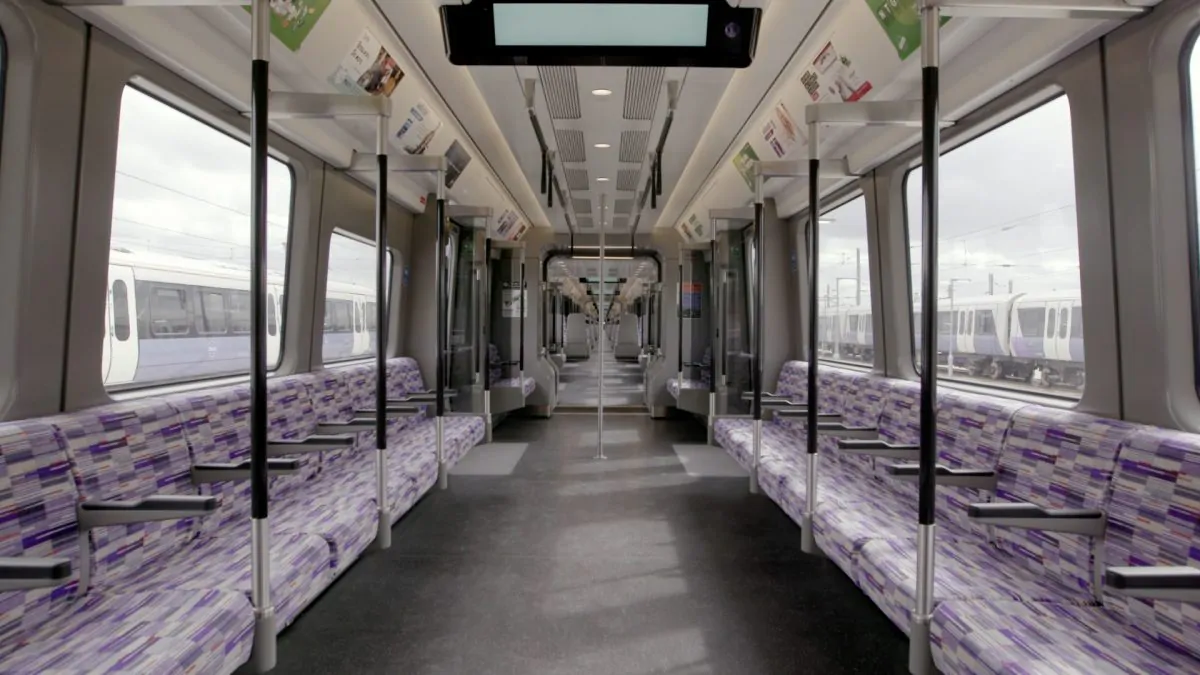
According to Transport for London (TfL), the Elizabeth Line has the capacity to carry 200 million passengers per year, thus alleviating pressure from the already congested Tube and bus networks. Additionally, the line is designed with accessibility in mind, featuring step-free access at all stations and spacious carriages that accommodate modern travel needs.
Impact on Local Communities
The launch of the Elizabeth Line has spurred local economic growth along its route. Areas that were once less connected are now seeing a boom in property values and commercial investments. The line not only connects people to their workplaces but also opens up new opportunities for leisure and cultural experiences across London. For instance, the connection to the West End has made it easier for residents in the outer boroughs to visit theatres and shopping districts.
Challenges and Future Prospects
Despite its benefits, the Elizabeth Line did face challenges such as delays in construction and budget overruns, which have sparked discussions about project management practices within TfL. Looking ahead, the line is expected to undergo further developments, including possible extensions and improved services as demand increases.
Conclusion
The Elizabeth Line is more than just a transportation route; it is a vital artery for London’s economy, boosting accessibility and mobility across the city. As passenger numbers grow and communities thrive from improved connectivity, the line will continue to play a crucial role in shaping the future of urban transport in London. With ongoing adaptations and enhancements, the Elizabeth Line is set to remain a key player in the city’s infrastructure landscape for years to come.