









The Significance of Chinese New Year
Chinese New Year, also known as the Spring Festival, is the most important traditional holiday in China and among Chinese communities worldwide. It marks the beginning of the lunar calendar and is celebrated with various cultural activities, including family gatherings, feasts, and fireworks. With 2026 fast approaching, many are curious about the dates and festivities surrounding this auspicious occasion.
When is Chinese New Year 2026?
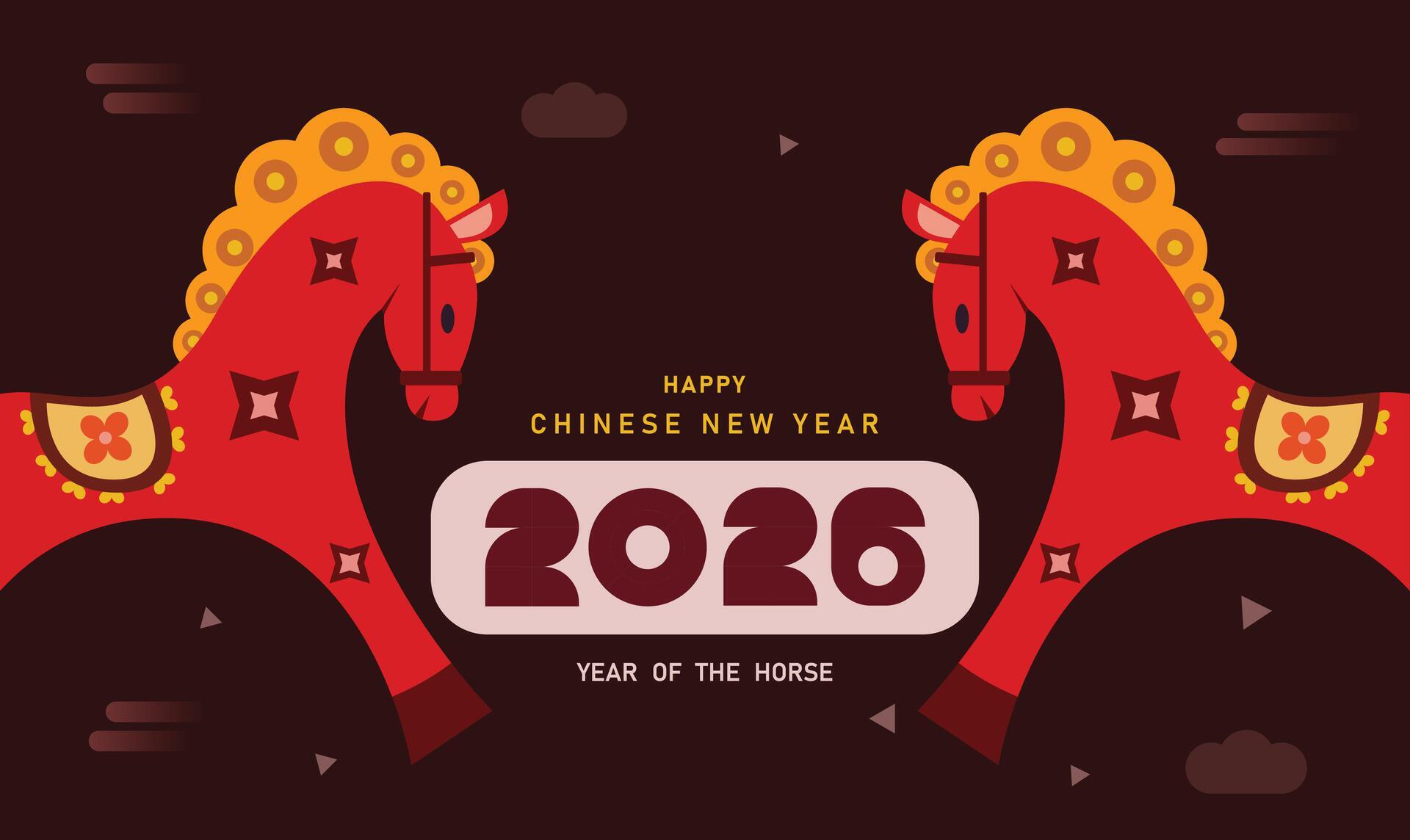
In 2026, Chinese New Year falls on February 17th. The celebrations typically last for 15 days, culminating in the Lantern Festival, which will take place on March 3rd in 2026. Each year is associated with one of the twelve animals of the Chinese zodiac, and 2026 will mark the Year of the Horse, a symbol of strength, freedom, and endurance.
How is Chinese New Year Celebrated?
Chinese New Year involves a variety of traditions and customs. Families come together to enjoy a reunion dinner on New Year’s Eve, which is considered the most important meal of the year. Red decorations adorn homes to ward off evil spirits and bring good luck. Additionally, it is customary to exchange red envelopes filled with money, known as ‘hongbao,’ symbolising good wishes and luck for the year ahead. Fireworks are also set off to scare away any negative energy and to welcome a prosperous new year.
The Global Influence of Chinese New Year
The influence of Chinese New Year extends far beyond China. Major cities across the globe, including London, New York, and Sydney, hold grand parades and festivals celebrating the occasion. In the United Kingdom, the celebrations include vibrant dragon and lion dances, cultural performances, and public feasts that showcase Chinese cuisine. Such events promote cultural understanding and unite communities by recognising and celebrating diversity.
Conclusion
As Chinese New Year approaches in 2026, it presents an opportunity for people around the world to engage in cultural festivities, foster community bonds, and reflect on values of renewal and togetherness. Preparing for this joyful occasion can involve planning gatherings, decorating homes, and learning more about Chinese traditions. Regardless of cultural background, participating in or acknowledging this significant celebration can enrich personal perspectives and enhance cultural awareness.