









Introduction
Blockchain technology has emerged as a transformative force in various sectors, from finance to supply chain management. Its decentralized and secure nature provides an innovative solution to many existing problems, ensuring transparency and traceability. As industries increasingly adopt blockchain, understanding its implications becomes crucial for businesses and consumers alike.
What is Blockchain Technology?
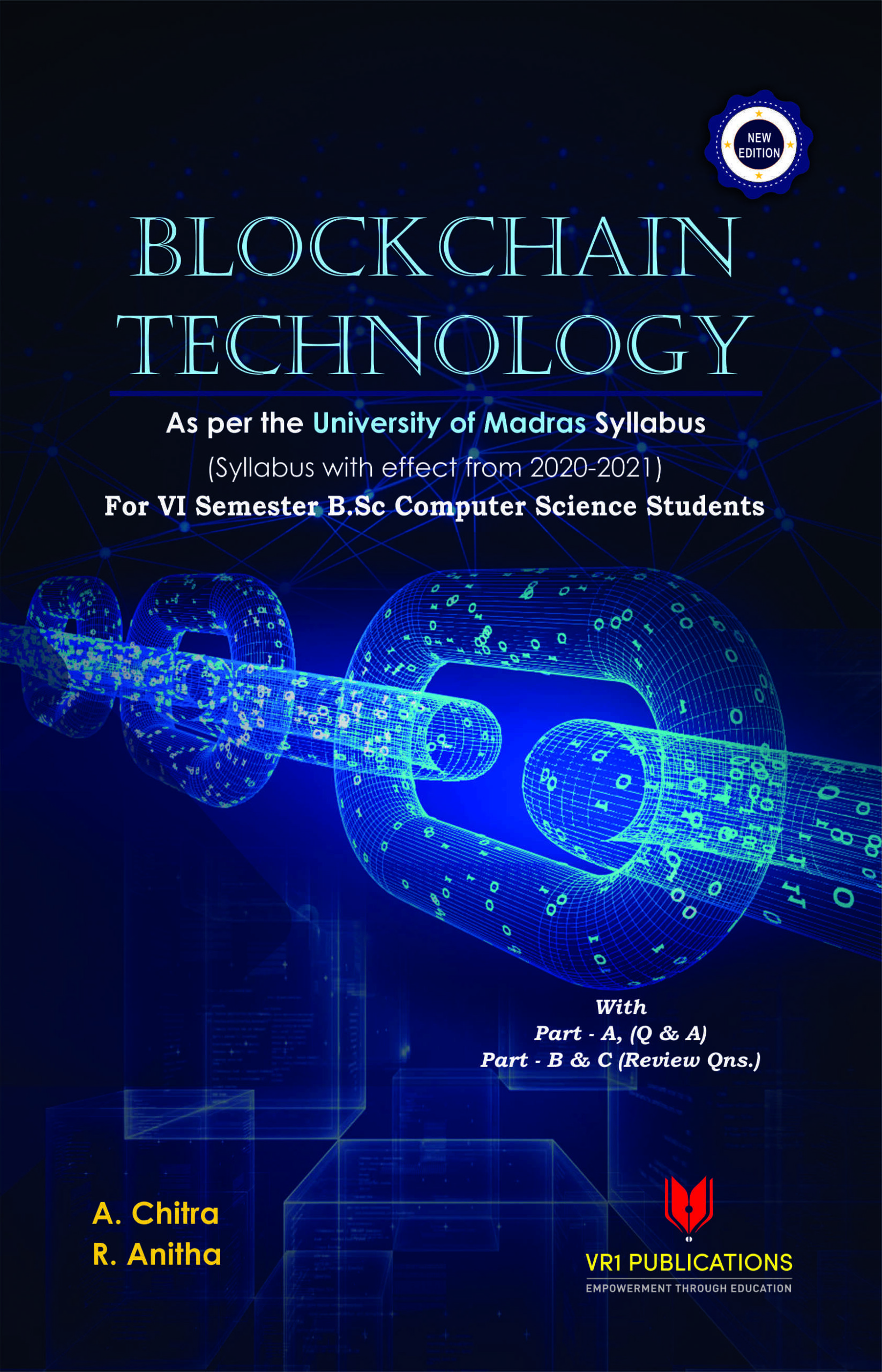
At its core, blockchain is a distributed ledger technology that allows information to be stored across a network of computers. Each block in the chain contains a list of transactions, and once a block is completed, it is added to the chain in a linear, chronological order. This structure makes it exceptionally difficult to alter previous blocks, thus enhancing security and trust.
Current Trends and Applications
Major industries are actively exploring and integrating blockchain technology. In finance, cryptocurrencies such as Bitcoin and Ethereum have popularised the concept, leading to the rise of decentralized finance (DeFi) platforms that enable peer-to-peer transactions without traditional intermediaries. Moreover, large banks and financial institutions are investing in blockchain to streamline operations and reduce costs associated with cross-border transactions.
Beyond finance, sectors such as supply chain management are utilising blockchain to improve transparency. Companies can track the origin of goods, ensuring authenticity and ethical sourcing. For instance, Walmart has implemented blockchain to trace food products, significantly reducing the time taken to track produce from farm to store.
Challenges and Future Outlook
While blockchain technology offers numerous benefits, it also faces challenges that may hinder widespread adoption. Scalability remains a significant issue, with many blockchain networks struggling to process a high volume of transactions quickly. Moreover, regulatory concerns and the environmental impact of energy-intensive consensus mechanisms, particularly in cryptocurrency mining, are of increasing importance.
Despite these challenges, the outlook for blockchain technology remains positive. As solutions are developed to address scalability and environmental issues, more sectors are expected to adopt blockchain. Governments are also exploring central bank digital currencies (CBDCs) that utilise blockchain, indicating a shift in how we approach money and finance.
Conclusion
In conclusion, blockchain technology is poised to revolutionise various industries by providing a secure, transparent, and efficient means of handling transactions and data. As more entities understand its capabilities and address the accompanying challenges, blockchain is likely to become a cornerstone of future technological developments, impacting everyday life.