








Introduction
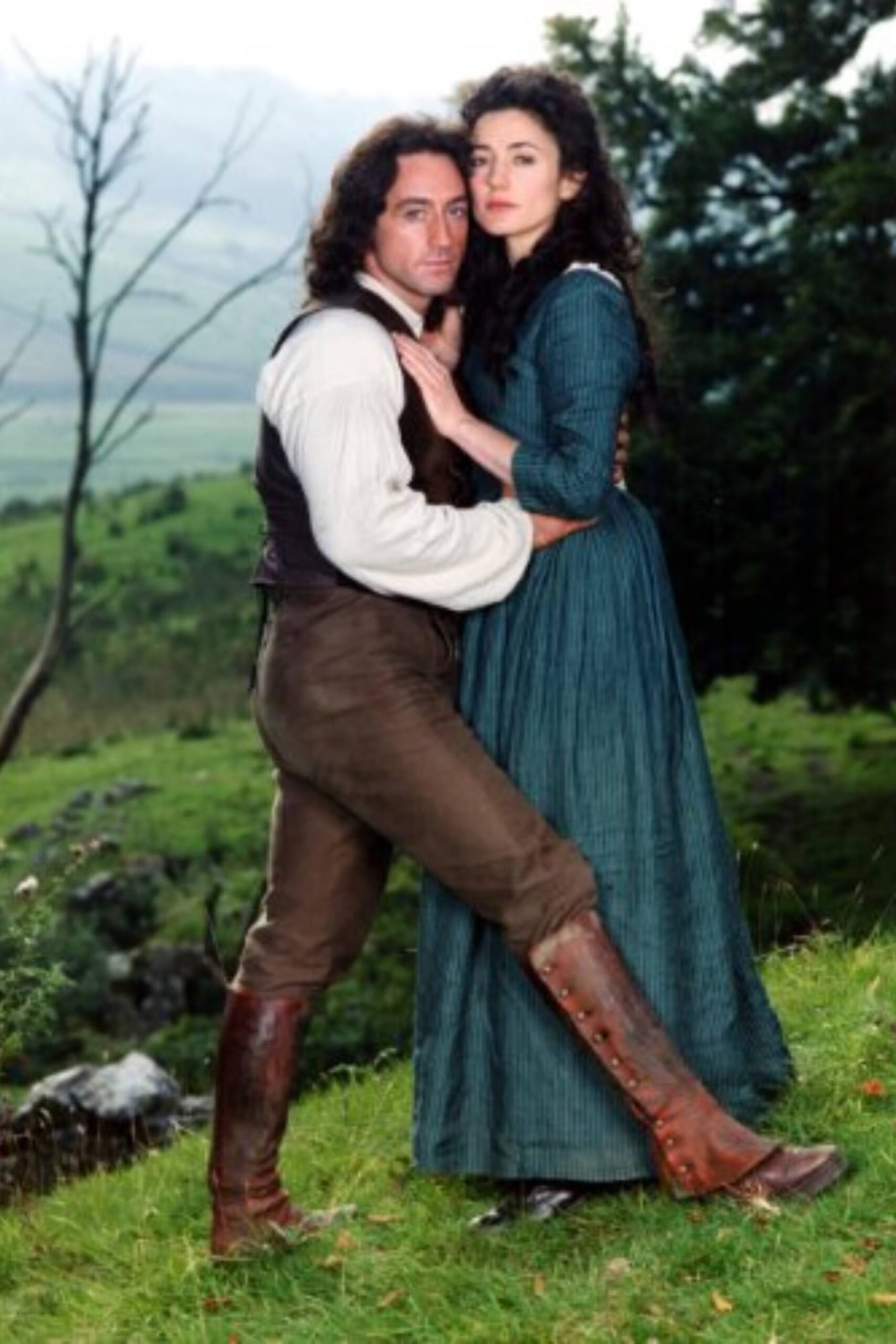
Wuthering Heights, Emily Brontë’s only novel, has captivated audiences since its publication in 1847. Its complex characters and tumultuous love story have led to numerous adaptations in film, theatre, and television. The importance of these adaptations lies not only in their artistic value but also in their ability to keep the novel’s themes alive for new generations. In recent months, renewed interest in the Wuthering Heights film adaptations has emerged, highlighting their relevance in today’s cinematic landscape.
Recent Adaptations
Among the most notable film adaptations is the 2011 version by Andrea Arnold, which aimed to remain true to Brontë’s Gothic roots while offering a fresh perspective. Arnold’s film received praise for its raw portrayal of passion and isolation, albeit with mixed critical responses concerning the pacing and character development compared to earlier versions. This adaptation is often contrasted with the 1939 classic starring Laurence Olivier and Merle Oberon, which took considerable liberties with the source material but remains a beloved example of Golden Age Hollywood romance.
The Significance of Adaptations
Each adaptation of Wuthering Heights reflects the prevailing cultural and societal attitudes of its time. For instance, the 1970 version featuring Anna Calder-Marshall and Timothy Dalton embraced the post-1960s ethos of emotional exploration and personal conflict, which resonated with audiences seeking deeper narratives. The wide range of styles, from the austere to the romantic, allows for an exploration of themes such as love, revenge, and social class that the original text so poignantly addresses.
Current Trends and Future Outlook
As of late 2023, discussions are underway for new adaptations, showcasing the continued relevance of Wuthering Heights in modern storytelling. Streaming platforms increasingly seek literary adaptations, suggesting that classic works like Wuthering Heights may find renewed life in fresh formats, such as limited series or graphic novels. Such developments promise to engage a broader audience while honoring the novel’s legacy.
Conclusion
The Wuthering Heights film adaptations are a testament to the novel’s enduring influence and the adaptability of its themes across different eras. As filmmakers continue to reinterpret Brontë’s work, fans and critics alike can anticipate new interpretations that not only pay homage to the original text but also explore its complexities in contemporary context. This ongoing dialogue between the novel and its adaptations illustrates the timeless nature of Brontë’s masterpiece and its capacity to resonate with each generation.