









Introduction
Crete, the largest and most populous of the Greek islands, is a location of significant historical and cultural importance. Its stunning landscapes, rich history, and vibrant local traditions make it a top destination for travellers from around the world. With archaeological sites dating back to the Minoan civilization, Crete offers a unique glimpse into ancient history intertwined with contemporary life.
The Rich Historical Heritage
Crete’s history is as diverse as its geography. The island is famously known for the Palace of Knossos, which was the centre of Minoan civilization, dating back around 3,500 years. The archaeological site attracts thousands of visitors each year, who come to learn about the sophisticated culture that thrived in the Aegean before the rise of classical Greece. Furthermore, during the Second World War, Crete was the site of crucial battles, emphasising its strategic military importance.
Natural Beauty and Attractions
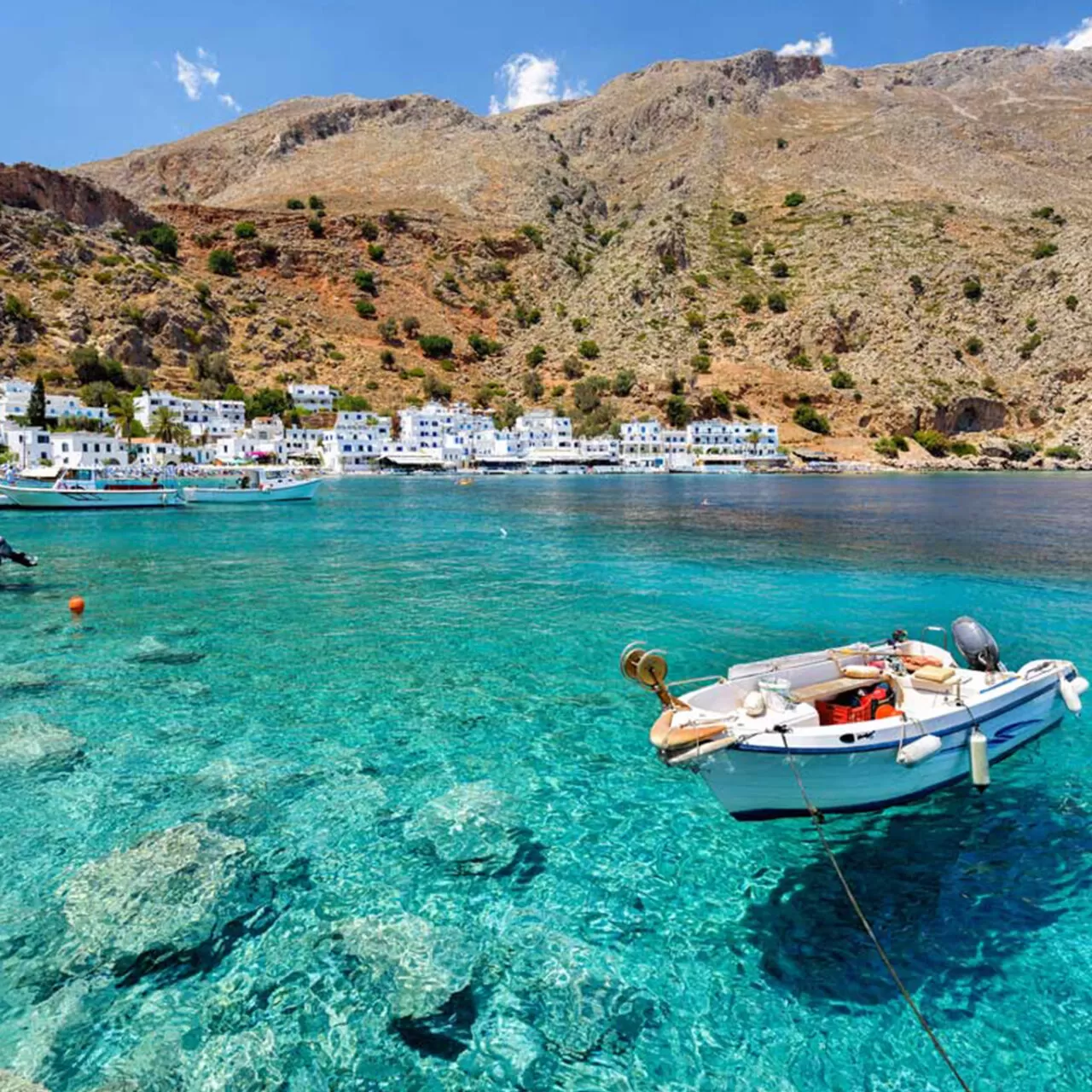
In addition to its historical sites, Crete boasts breathtaking natural landscapes, from rugged mountains to serene beaches. Popular destinations include Elafonissi Beach, known for its pink sand and clear waters, and the Samaria Gorge, a UNESCO World Heritage site that offers stunning hiking trails. The island’s diverse ecosystems provide a habitat for many unique species, making it a haven for nature lovers and adventure seekers.
Cultural Vibrancy
Crete is also rich in culture, offering unique culinary experiences that reflect its ancient traditions. Cretan cuisine features local ingredients such as olive oil, fresh vegetables, and cheese, often accompanied by traditional music and dancing during local festivals. The vibrant markets and charming villages present an authentic experience for tourists wanting to immerse themselves in the local lifestyle.
Current Events and Tourism Trends
As of 2023, Crete is seeing a rebound in tourism following the global pandemic, with an influx of international visitors looking to explore the island’s offerings. The local government is investing in sustainable tourism initiatives to preserve the natural beauty and cultural heritage while accommodating the growing number of visitors. Notably, new flight routes and travel packages are being established to enhance accessibility to this Mediterranean paradise.
Conclusion
Crete remains a significant destination, rich in history, natural beauty, and culture. With its welcoming atmosphere and plethora of activities for all ages, it holds immense appeal for those seeking a memorable holiday experience. Looking ahead, Greece’s commitment to sustainable tourism practices promises to ensure that Crete continues to thrive, preserving its charm for future generations while welcoming visitors from around the globe.