









Introduction
The National Health Service (NHS) is at a pivotal moment as discussions evolve around the potential pay rise for 2026. With pressures mounting on the healthcare system, the relevance of equitable and competitive salaries for NHS staff is imperative not just for attracting new talent, but also for retaining the existing workforce. As the UK grapples with rising inflation and economic uncertainties, the outcome of these pay negotiations will significantly impact NHS operations and patient care in the coming years.
Current Context
Recent reports indicate that the NHS is experiencing unprecedented pressure, with escalating demand for services and an increasing shortage of healthcare professionals. In light of this, healthcare unions have been vocal about the necessity for a substantial pay rise to ensure that workers are compensated fairly for their efforts. According to the NHS Workforce Statistics published in October 2023, vacancies across the NHS have hit a record high, with over 100,000 positions unfilled.
Union Demands and Government Responses
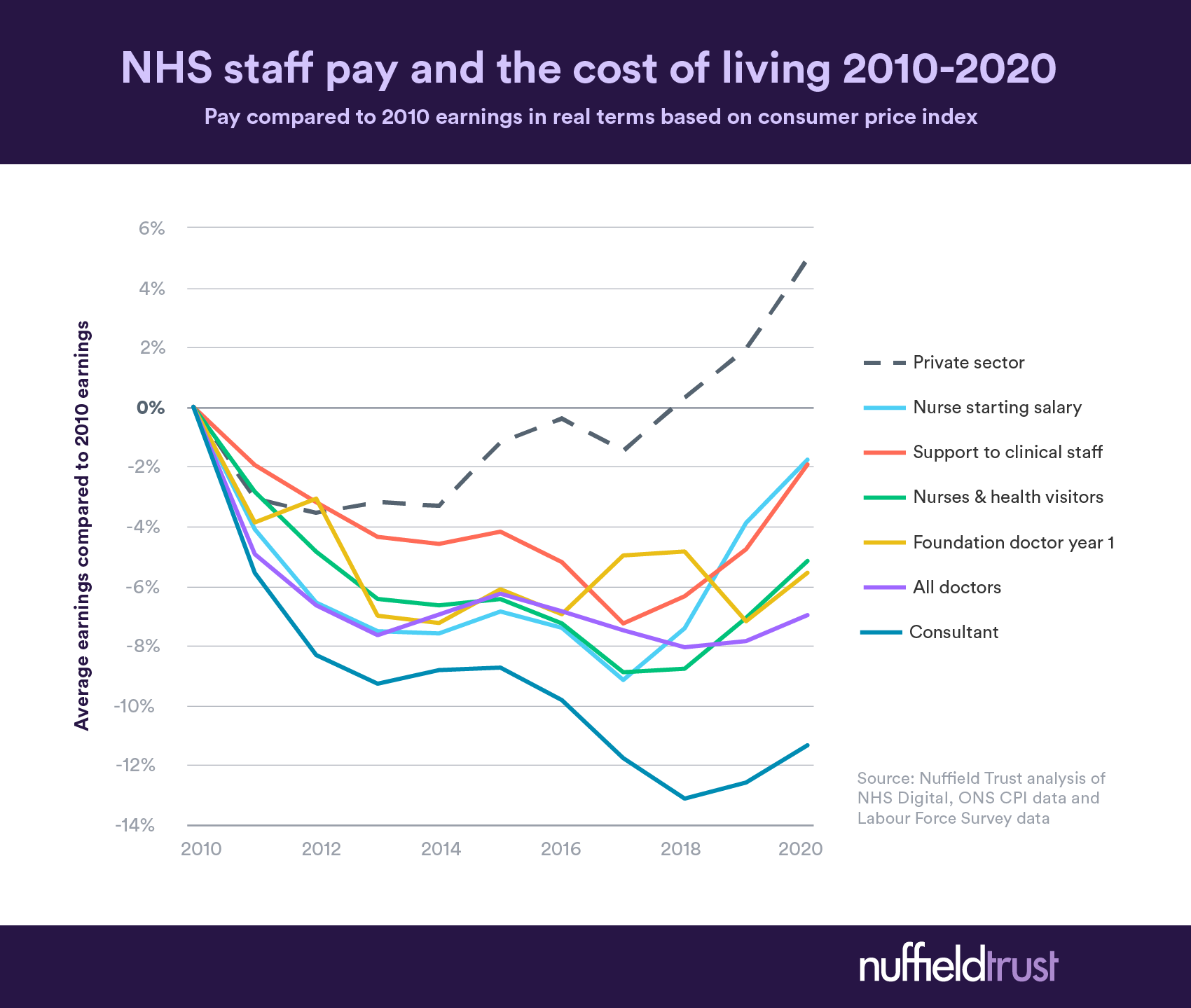
Unions representing NHS staff, including nurses and paramedics, are advocating for a pay increase of up to 15% to offset the effects of high inflation and acknowledge the hard work of healthcare personnel during the COVID-19 pandemic and other crises. The government has been under considerable pressure to respond, with recent polling suggesting that public support for fair pay increases is growing. However, officials have warned of tight budgets, leading to concerns about whether the proposed increases can be met without further financial strain on the NHS.
Implications for the Future
As discussions continue, key stakeholders, including NHS management, the government, and healthcare unions, must balance the need for fair compensation with the fiscal realities at play. Analysts predict that failure to agree on a substantial pay rise could exacerbate the staffing crisis, leading to longer waiting times for patients and further declining morale among NHS workers. On the flip side, a meaningful pay rise could not only bolster recruitment and retention efforts but also ensure that patient care standards remain high.
Conclusion
The topic of NHS pay rises in 2026 is multi-faceted and highly significant for the future of the UK’s healthcare system. As negotiations unfold, it will be crucial for all parties to engage in constructive dialogue and seek solutions that can address both workforce needs and financial constraints. For the general public and NHS staff alike, the outcome of these discussions will determine not only the immediate future of healthcare employment but also the standard of care accessible within the NHS in years to come.