








Introduction to Flight Radar
Flight radar technology plays a crucial role in modern aviation, providing real-time tracking of airborne aircraft. This technology enhances safety, aids in air traffic management, and allows aviation enthusiasts to track flights accurately. With thousands of flights operating simultaneously around the world, flight radar systems are indispensable tools for airlines, air traffic controllers, and passengers alike.
How Flight Radar Works
Flight radar systems utilise a combination of ground-based radar technology and satellite systems to monitor and track aircraft in the sky. The primary technologies involved include:
- Secondary Surveillance Radar (SSR): This system requests responses from transponders installed on aircraft, allowing air traffic controllers to receive information on the aircraft’s altitude, speed, and heading.
- Automatic Dependent Surveillance–Broadcast (ADS-B): In this system, aircraft equipped with ADS-B transmit their GPS position to ground stations and other aircraft, providing a more precise tracking capability.
These technologies work together to generate comprehensive flight information displayed on various platforms, enabling easy access for monitoring flights across different regions.
Key Events and Developments
Recent developments in flight radar technology have included the integration of machine learning and artificial intelligence to enhance predictive capabilities. For example, during the COVID-19 pandemic, flight radar data was pivotal in analysing changes in air traffic patterns due to travel restrictions. This analysis provided valuable insights for airline operations and future route planning.
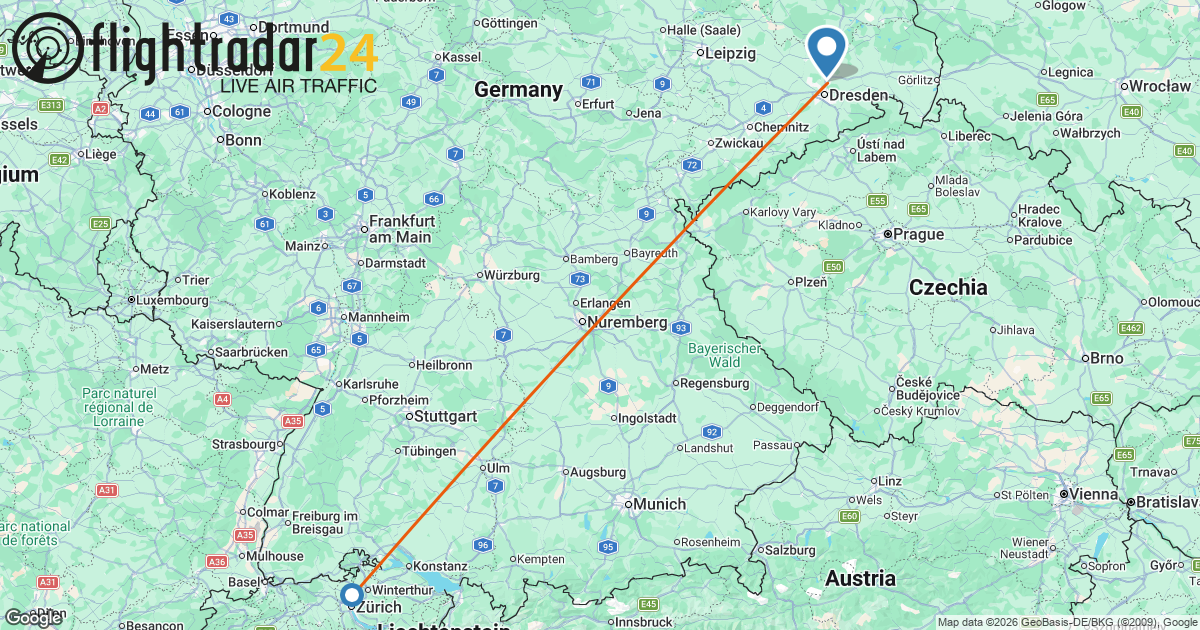
Additionally, the rise of mobile applications and websites that provide flight radar tracking has made this information more accessible to the general public. Popular platforms like FlightAware and Flightradar24 enable users to view live flight data, including departure and arrival times, flight paths, and delay notifications.
Conclusion and Future Implications
Flight radar technology represents a significant advancement in ensuring aviation safety and efficiency. As air travel continues to grow, the importance of accurate flight tracking systems will only increase. Future innovations could lead to even more detailed tracking capabilities, including advanced collision avoidance systems and further integration with unmanned aircraft systems (UAS). For passengers and aviation professionals alike, staying informed about flight radar advancements is essential to understanding the evolution of air travel.