









Introduction
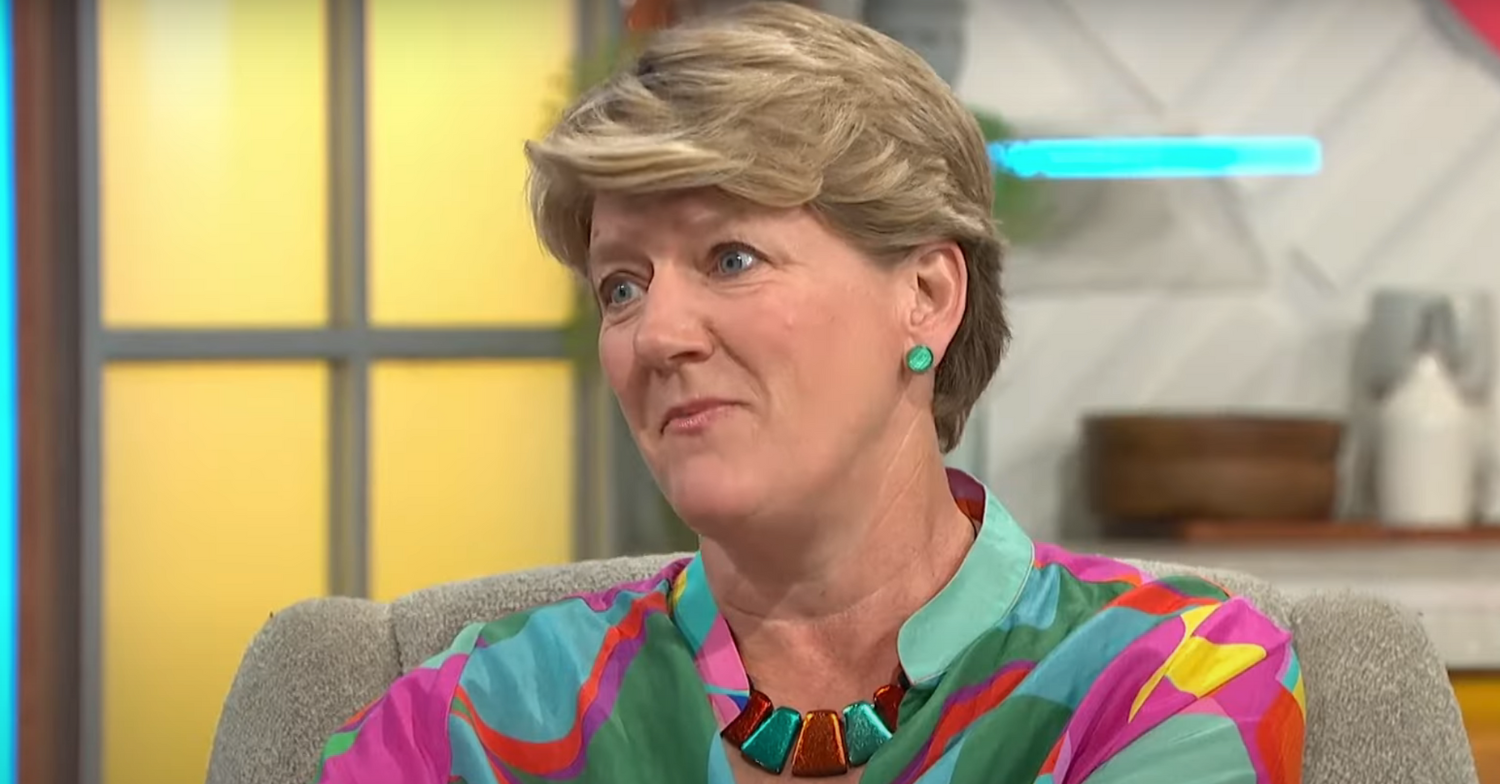
Clare Balding has become a household name in sports broadcasting, known for her extensive knowledge and passion for various sports. Her journey from a young girl with dreams of becoming a jockey to a leading figure in British television represents not only personal achievement but also significant progress within the media industry, especially regarding female representation in sports.
Career Highlights
Balding’s career began in earnest when she landed a position at BBC Radio in the mid-1990s. Her dedication and talent quickly propelled her into more visible roles, including anchoring the coverage of major events such as the Olympics and Wimbledon. In 2012, she made headlines during the London Olympics, where her insightful commentary and ability to engage viewers were widely praised. Balding’s work has earned her several awards, including the Presenter of the Year at the 2016 RTS Television Awards.
Women in Sports Media
As a prominent female figure in sports broadcasting, Clare Balding has been a strong advocate for women in media. She has often spoken about the challenges women face in the industry and has been actively involved in initiatives aimed at promoting gender equality. Balding’s success has paved the way for future generations of female broadcasters, showing that expertise and charisma can challenge traditional norms in a predominantly male-dominated field.
Current Projects and Future Endeavours
In recent years, Clare Balding has continued to expand her portfolio, engaging with audiences across multiple platforms. Her work now includes leading documentaries, presenting shows such as ‘Britain’s Hidden Heritage’, and advocating for various charitable organisations, particularly those focused on mental health and animal welfare. As she moves forward, Balding aims to continue using her platform to inspire and educate, demonstrating to aspiring broadcasters that the industry is evolving and more inclusive than ever before.
Conclusion
Clare Balding’s career reflects a significant shift in sports broadcasting and highlights the importance of diversity within the media. Her influence extends beyond her immediate achievements, as she championed causes that advocate for equality and representation. Looking ahead, as she continues to break barriers and inspire the next generation of broadcasters, Clare Balding’s commitment to the industry reminds us that there is always more work to be done in making the media landscape as diverse and inclusive as possible.