









Introduction
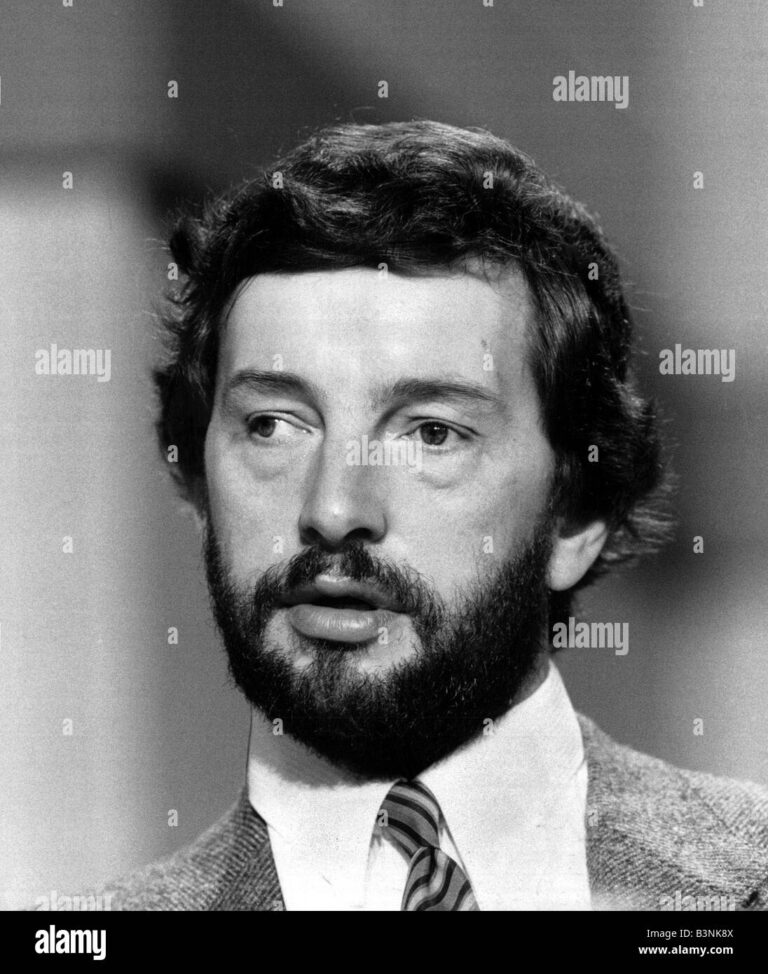
Robert Maxwell was a notable figure in the world of publishing and media during the late 20th century. His life is marked by extraordinary triumphs and unprecedented controversies, making him a figure of interest to historians, journalists, and the general public alike. Maxwell’s influence on the media landscape, particularly in the United Kingdom, is profound, with ongoing discussions regarding his legacy even after his mysterious death in 1991. Understanding his multifaceted life provides insight into the dynamics of power, wealth, and the often murky intersection of business and ethics.
Early Life and Career
Born in 1923 in the Czechoslovakian town of Prague, Maxwell’s early life was shaped by the uncertainties of war. He enlisted in the British Army during World War II, where he served with distinction, earning military honours. After the war, he embarked on a career in publishing, rapidly establishing himself as a successful entrepreneur. He founded Maxwell Communication Corporation, amassing a fortune through various media ventures, including the acquisition of major publishing houses such as the Mirror Group.
Controversies and Scandals
Maxwell’s business practices were often questioned. He was known for his aggressive tactics and ruthless pursuit of expansion, which resulted in significant debts and legal issues. The most scandalous aspect of his legacy revolves around his disappearance. In November 1991, he was reported missing after falling overboard from his yacht, Lady Ghislaine, during a voyage near the Canary Islands. This event was followed by revelations regarding the financial troubles of his businesses, leading to investigations that exposed massive fraud involving pension funds.
Death and Aftermath
Maxwell’s body was found shortly after his disappearance, but the circumstances surrounding his death remain ambiguous. While some believe it was suicide prompted by financial collapse, others suspect foul play. The aftermath of his death saw a significant impact on the media industry, with major repercussions for the employees of his companies, especially concerning pension fund shortfalls. Many employees were left facing dwindling pension prospects due to misappropriated funds, leading to widespread criticism and a reevaluation of regulatory practices.
Conclusion
The legacy of Robert Maxwell is one of duality—an ambitious media mogul who shaped the industry on one hand, and a controversial figure whose practices led to financial ruin on the other. His life and untimely death serve as a cautionary tale about the dangers of unchecked power and wealth in business. As discussions continue about ethics and governance in the corporate hierarchy, Maxwell’s story remains relevant; offering lessons on transparency, accountability, and the potential consequences when ambition blinds ethical considerations. Future generations of business leaders and media professionals will do well to reflect on the complexities of Maxwell’s life and the significant effects of his actions.