








Introduction
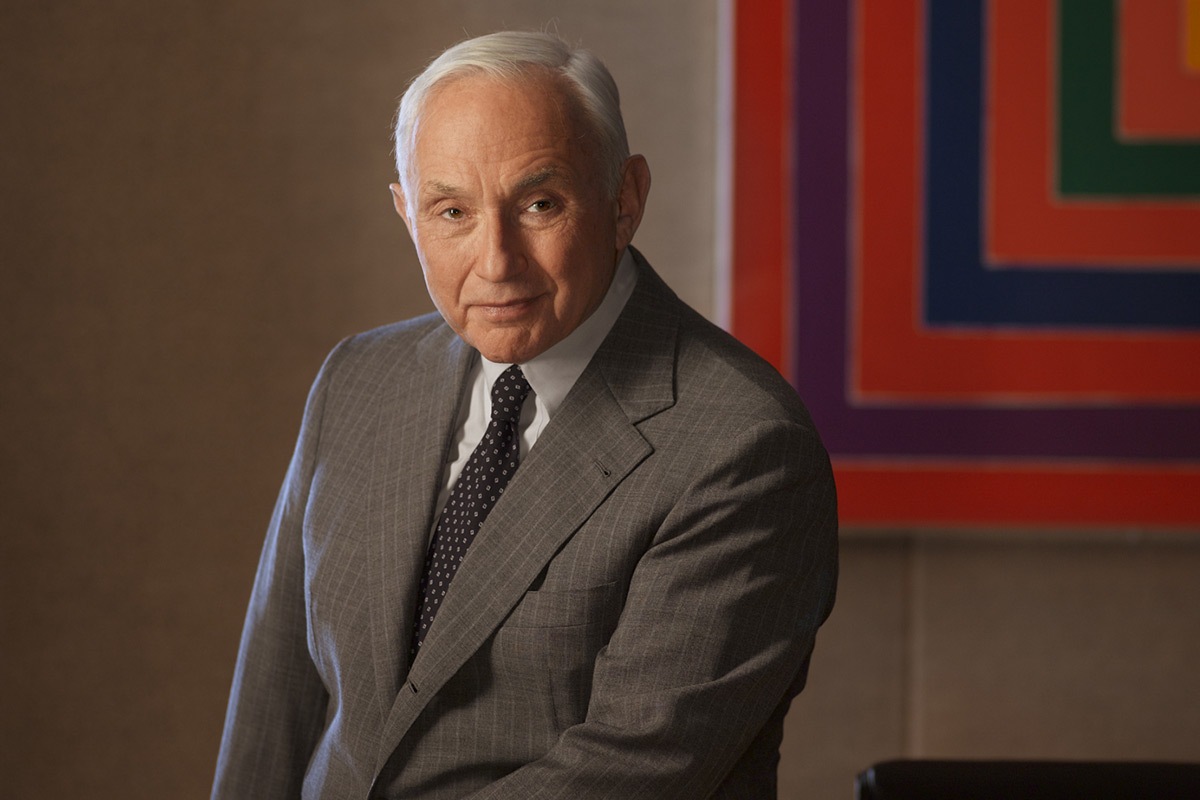
Leslie Wexner’s name is synonymous with the rise of modern retailing in America. As the founder and former CEO of L Brands, which includes renowned brands like Victoria’s Secret and Bath & Body Works, Wexner’s influence on the fashion and beauty industries cannot be overstated. His business strategy and vision have reshaped consumer experiences, making him a significant figure in retail history and an essential topic of discussion in current economic analyses.
Wexner’s Rise to Prominence
Born in 1931 in Dayton, Ohio, Leslie Wexner graduated from The Ohio State University in 1953. He started his retail career with a single store called The Limited, which quickly grew into a chain focusing on affordable yet stylish clothing. By the late 1980s, Wexner had transformed his company into a retail behemoth, acquiring various brands and expanding internationally.
During the 1990s and early 2000s, he led the charge in creating a strong brand identity for Victoria’s Secret, turning it into a leading lingerie retailer worldwide. Wexner’s adept marketing strategies and understanding of consumer psychology were pivotal in the brand’s growth and dominance in the market.
Recent Developments and Challenges
However, the last few years have brought significant challenges for Wexner and L Brands. After facing scrutiny over the company’s practices and a decline in sales, Wexner announced his retirement in 2020. The impact of consumer behavior shifts, especially due to the COVID-19 pandemic, further complicated the landscape for retailers. In 2021, L Brands was rebranded and separated from Victoria’s Secret as it ventured into its own identity.
The Legacy and Future of Leslie Wexner
Leslie Wexner remains a controversial figure, not only because of his business successes but also due to his associations and the allegations surrounding his past connections, including his ties to Jeffrey Epstein. Nevertheless, his contributions to the retail sector are undeniable. Analysts continue to study Wexner’s strategies as a way to navigate the shifting tides of consumer preferences and retail operations in an increasingly digital economy.
Conclusion
In conclusion, Leslie Wexner’s influence on the retail industry has shaped an era of marketing and fashion that resonates today. With ongoing shifts in consumer behaviour and the retail landscape, understanding Wexner’s journey offers vital insights into the future of retail. His legacy, fraught with complexity, serves as a reminder of the evolving nature of business leadership and consumer engagement in today’s world.