










Introduction
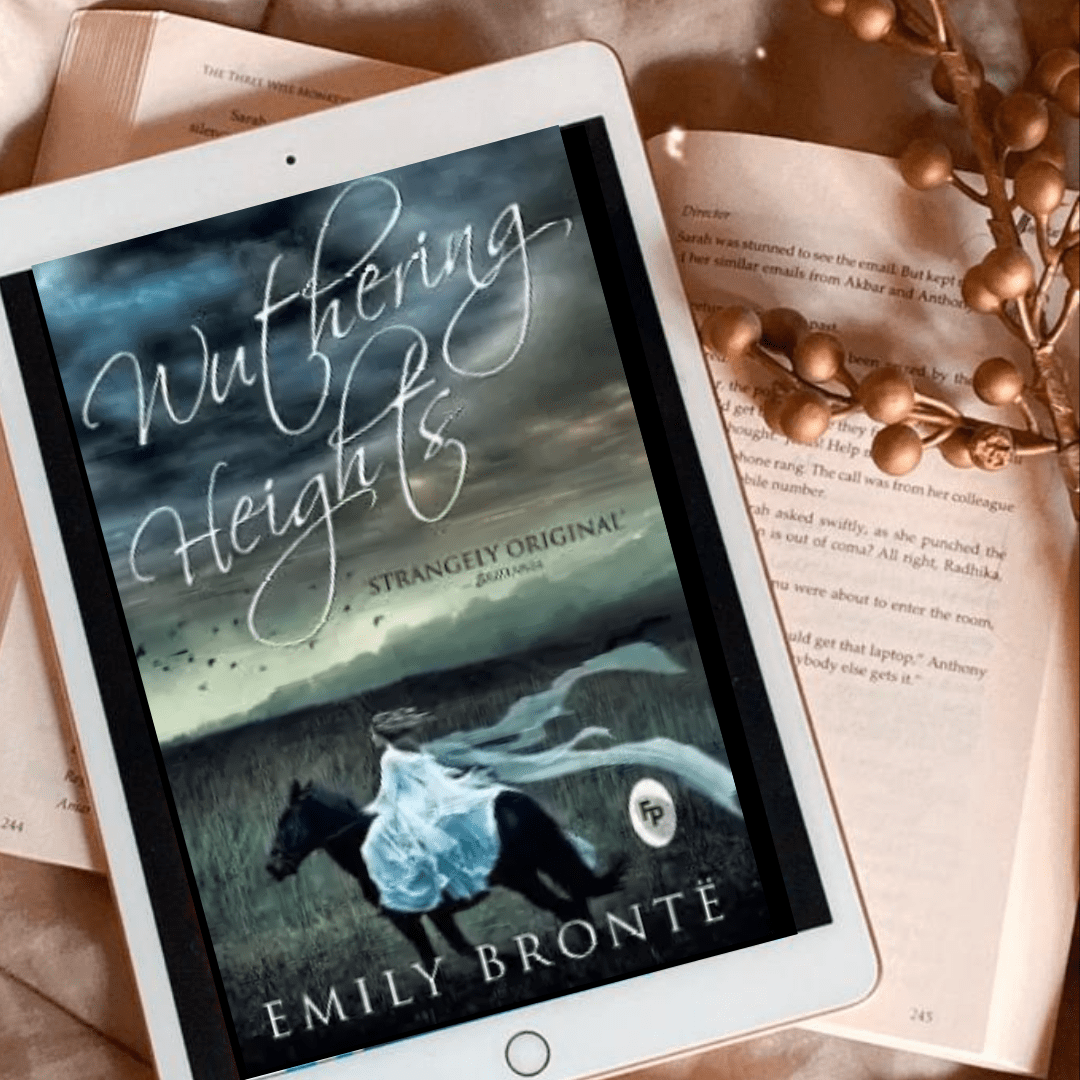
Wuthering Heights, written by Emily Brontë and published in 1847, is a cornerstone of English literature that continues to captivate readers and scholars alike. Its themes of passion, revenge, and social issues resonate strongly even today, making it essential reading. This review will examine the novel’s characters, narrative style, and enduring legacy.
Characters and Their Complexities
The story revolves around Heathcliff, an orphan raised by the Earnshaw family, whose obsessive love for Catherine Earnshaw leads to devastating consequences. Their tumultuous relationship is not merely one of romance; it symbolizes the destructive nature of love when paired with jealousy and revenge. Catherine’s conflict between social status and true desire adds layers to her character, challenging readers to empathise with her struggles. Supporting characters, such as Edgar Linton and Nelly Dean, further enrich the narrative, providing contrasting perspectives that illuminate the primary themes.
Narrative Structure and Style
Brontë employs a unique narrative style, intertwining multiple perspectives, which creates a complex tapestry of viewpoints. The story is told primarily through Mr. Lockwood and Nelly Dean, allowing readers to receive the tale second-hand, adding to its mystique. This layered storytelling echoes the volatility and complexity of the characters’ emotions, drawing readers deeper into the experience. The gothic elements—sombre settings, supernatural occurrences, and intense emotionality—serve to heighten the dramatic tension and elicit a visceral response from the audience.
Enduring Legacy and Relevance
More than a century after its publication, Wuthering Heights remains a subject of analysis in academic circles and popular culture. It has inspired numerous adaptations, including films, theatre productions and even music. Its exploration of themes such as class struggles, the duality of love, and the role of nature reflects ongoing societal conversations. The novel also invites validation of personal experiences of love and loss, rendering it relatable across generations.
Conclusion
In conclusion, Wuthering Heights is not merely a love story; it is a profound exploration of the human condition. Its complex characters and innovative narrative structure invite rich discussion and reflection. As literature continues to evolve, Brontë’s work holds significant relevance, reminding readers of the timeless qualities of passion and obsession. Those revisiting this classic will find themselves drawn into its depths, while new readers will discover why it remains an essential part of the literary canon.