









Introduction
Haute-Vienne, a picturesque department in the Nouvelle-Aquitaine region of France, is a destination that offers a unique blend of cultural heritage, historical significance, and natural beauty. With its stunning landscapes and charming towns, Haute-Vienne attracts travellers seeking an authentic French experience away from the bustling tourist spots. As international travel continues to recover, the appeal of lesser-known regions like Haute-Vienne is gaining traction among tourists eager for exploration.
A Rich Historical Tapestry
The historical roots of Haute-Vienne can be traced back to Roman times, with numerous archaeological sites scattered throughout the region. Limoges, the capital city, is renowned for its porcelain production that dates back to the 18th century, making it a haven for collectors and art enthusiasts. Visitors can explore the Musée National de la Porcelaine Adrien Dubouché, which houses an impressive collection of works. Other notable historical sites include the 12th-century Saint-Étienne Cathedral and the medieval Château de Rochechouart, both of which illustrate the architectural splendour of the region.
Nature and Outdoor Activities
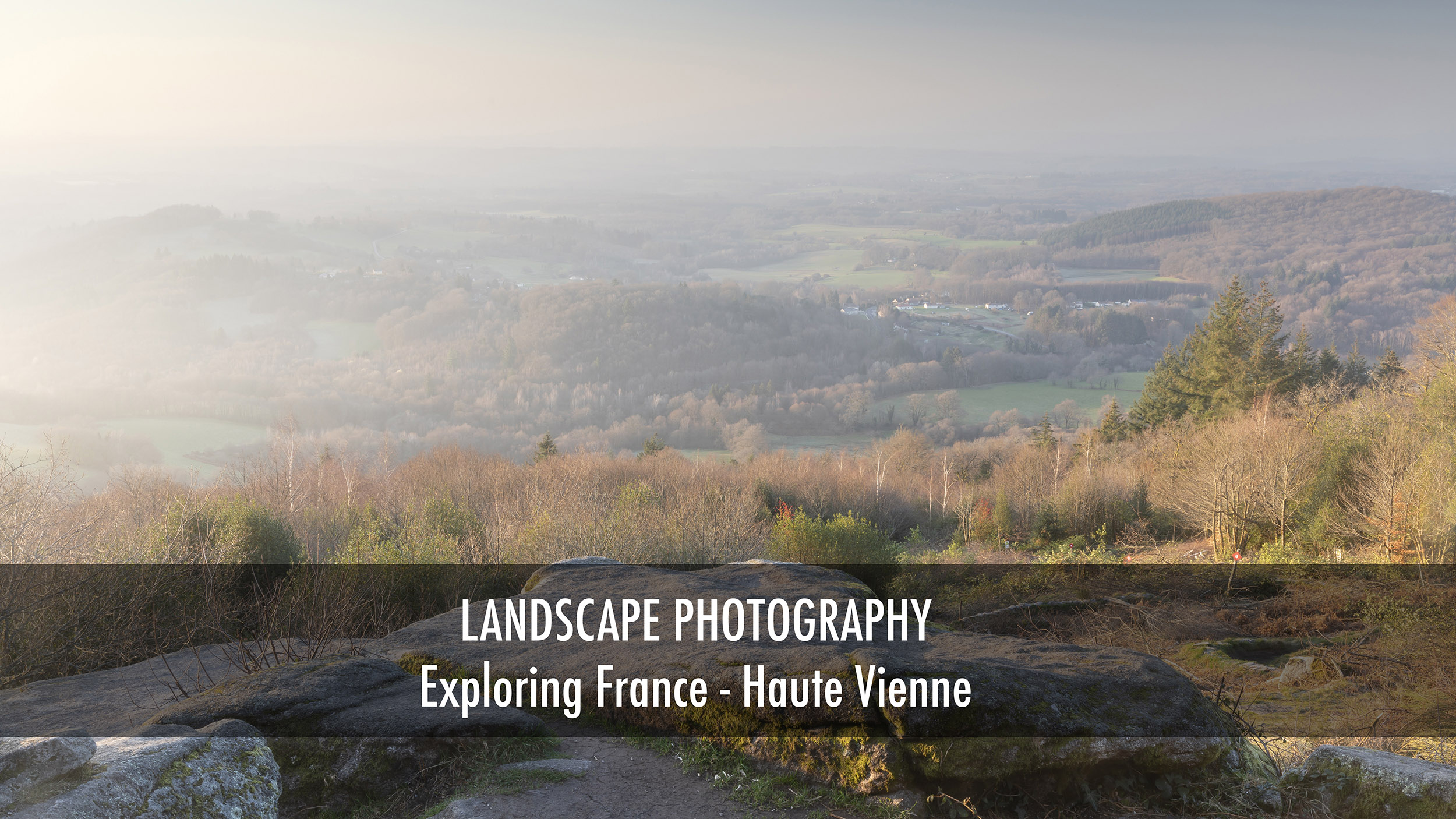
Beyond its cultural and historical offerings, Haute-Vienne is a paradise for nature lovers. The region is home to the stunning Parc Naturel Régional de Millevaches en Limousin, where hikers and outdoor enthusiasts can explore lush forests, tranquil lakes, and diverse wildlife. This national park not only provides opportunities for hiking and cycling but also for fishing and swimming in its pristine waters. Moreover, the Limousin hills, with their sweeping views and peaceful landscapes, serve as an idyllic backdrop for picnics and relaxation.
Culinary Delights
No visit to Haute-Vienne would be complete without experiencing its rich culinary traditions. The region boasts a variety of regional delicacies, including the famous Limousin beef, which has earned a reputation for its quality and flavour. Local markets serve fresh goat cheese, chestnut-based dishes, and sweet pastries that reflect the agricultural bounty of the area. Culinary tours are increasingly popular, allowing visitors to taste and learn about the region’s gastronomy directly from local producers.
Conclusion
Haute-Vienne stands as a testament to France’s rich cultural tapestry, infused with history, natural beauty, and culinary excellence. As more travellers seek authentic experiences, the region is poised to be a popular choice for those looking to explore beyond the conventional tourist trails. The ongoing investment in infrastructure and promotion of sustainable tourism initiatives further enhances its attractiveness for future visitors. With its enchanting blend of heritage and nature, Haute-Vienne is sure to leave a lasting impression on all who discover it.