









Introduction
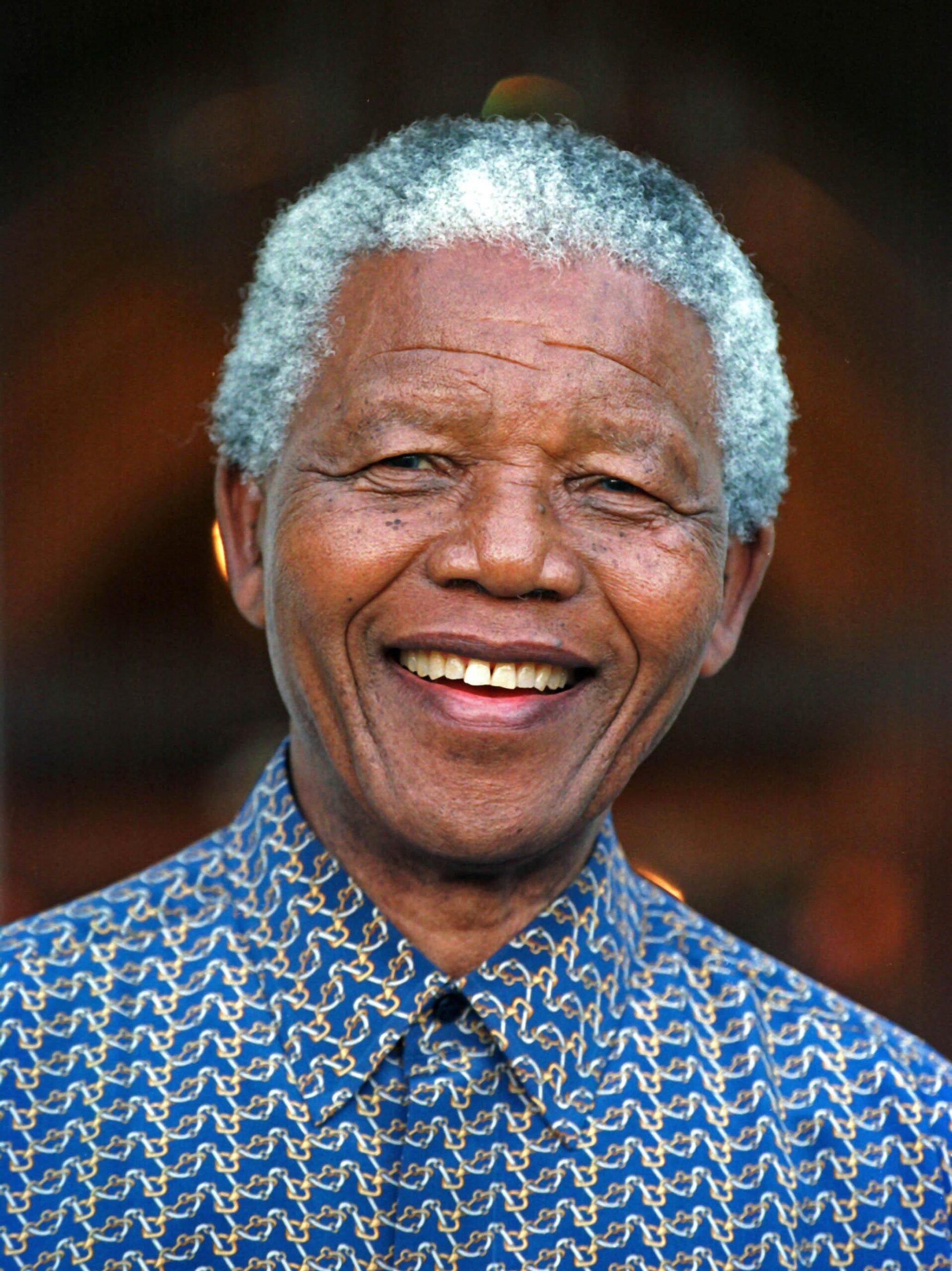
Nelson Mandela, one of the most revered figures in global history, played an instrumental role in dismantling apartheid in South Africa. His life story is not just about the fight against racial oppression; it is a testament to the power of resilience, forgiveness, and leadership. Mandela’s influence continues to resonate worldwide, as his principles of peace and equality inspire future generations.
Life and Early Activism
Born on 18 July 1918 in the village of Mvezo, Mandela was the first in his family to receive a formal education, which catalysed his involvement in the struggle against racial injustice. He joined the African National Congress (ANC) in 1943, where he quickly rose through the ranks, advocating for the rights of black South Africans. His activism intensified during the 1950s and 1960s, leading to his arrest in 1962 and subsequent life sentence after the Rivonia Trial in 1964.
Imprisonment and Release
Mandela’s 27 years in prison became a symbol of the anti-apartheid struggle globally. His steadfast commitment to his principles earned him the respect of millions, turning him into an international icon for peace and justice. His release in 1990 marked a turning point in South Africa’s history, paving the way for the eventual end of apartheid.
Presidency and Reconciliation Efforts
In 1994, Mandela became South Africa’s first black president and the first elected in a fully representative democratic election. He focused on national reconciliation, aiming to bridge the divide created by decades of institutionalised racism. His government implemented policies aimed at addressing social inequality, education, and healthcare. The Truth and Reconciliation Commission (TRC), established under his administration, aimed to facilitate healing and understanding in a fractured society.
Legacy and Global Impact
Nelson Mandela passed away on 5 December 2013, leaving behind an enduring legacy of courage, integrity, and commitment to social justice. He has inspired countless movements for equality and human rights around the world. In 2018, the centenary of his birth was marked by commemorative events globally, reaffirming his significance as a figure committed to peace and addressing inequality.
Conclusion
Nelson Mandela’s impact transcends borders, and his principles remain relevant in contemporary discussions about race, justice, and equality. As we reflect on his life and legacy, it is essential to continue advocating for the values he championed — peace, reconciliation, and justice for all. Mandela’s life teaches us that change is possible through perseverance and dialogue, inspiring individuals to fight for a more equitable world.