









Introduction
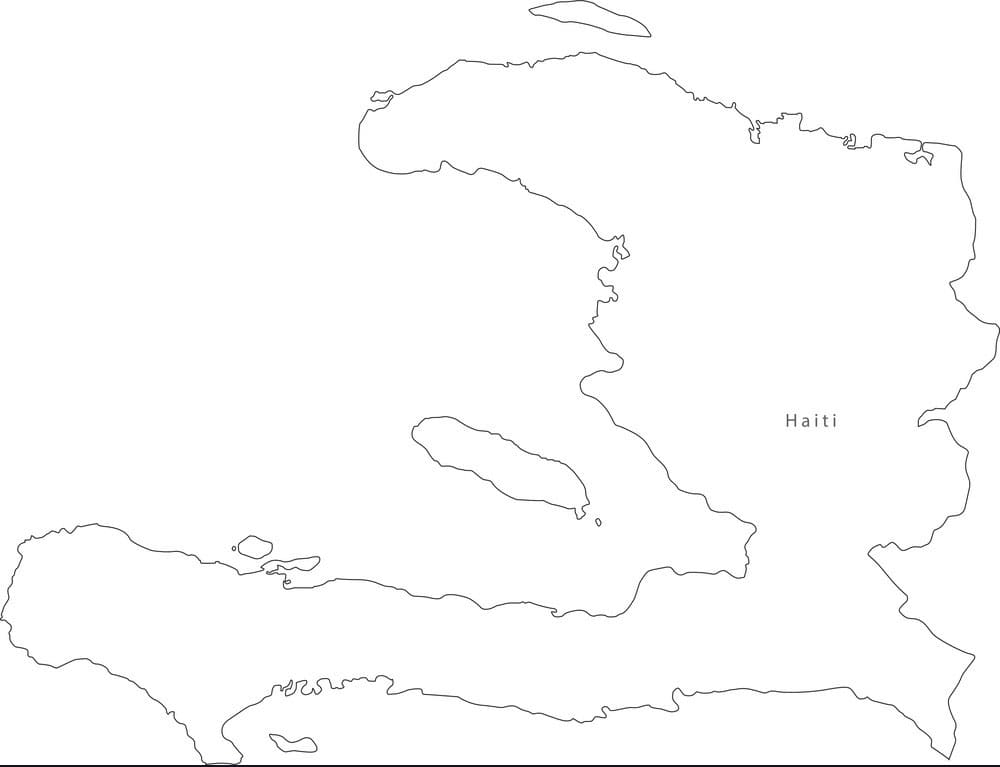
Haiti, the first independent nation in Latin America and the Caribbean, continues to face significant challenges as it strives for stability and recovery following decades of political turmoil, natural disasters, and economic hardship. The relevance of Haiti’s situation has heightened in recent years, not only due to its geopolitical implications but also because of the humanitarian crises affecting its population.
Recent Events and Developments
As of 2023, Haiti is grappling with a multifaceted crisis characterized by widespread gang violence, food insecurity, and public health issues. According to a report from the World Food Programme, nearly 4.9 million people, equivalent to 45% of the population, are currently classified as food insecure, with over 1.8 million experiencing severe hunger. These figures are exacerbated by the ongoing economic downturn, which has been aggravated by the political instability following the assassination of President Jovenel Moïse in July 2021.
In response to the escalating violence and unrest, the United Nations and various international stakeholders have called for urgent humanitarian assistance. A special appeal was made in September 2023 for $200 million to provide emergency aid to those affected by the crises, including food, medical supplies, and support for displaced families.
International Involvement
The international community has also taken a more proactive stance in stabilising Haiti. In late 2023, the United Nations Security Council approved a resolution to establish a multinational force to assist the Haitian National Police in restoring order amidst the growing gang threats. This force, comprising troops from various countries, aims to reduce violence and enable humanitarian aid to be delivered effectively.
Conclusion and Future Prospects
The situation in Haiti remains critical, with humanitarian needs becoming increasingly urgent. Experts suggest that for any long-term recovery to occur, there must be a commitment to political dialogue and governance reform that includes a broad range of civil society voices. The coming months will be crucial in determining whether the current interventions will lead to a sustainable improvement in conditions for the Haitian people or if the cycle of instability will continue. As global attention turns to Haiti, the hope persists that collective action can pave the way toward a more secure and prosperous future for this resilient nation.