










Introduction
In today’s digital age, the term data breach has become increasingly significant, affecting individuals and organisations alike. A data breach refers to the unauthorised access and retrieval of sensitive information by individuals or entities. The implications of such breaches can be severe, leading to financial loss, identity theft, and reputational damage for businesses.
Understanding Data Breaches
A data breach occurs when confidential, protected, or sensitive information is accessed or disclosed without authorisation. This can happen due to hacking, malware, or even human error. Common types of data at risk include personal data (names, addresses, social security numbers), financial information (credit card details), and login credentials.
Recent Events
In recent months, there has been a significant rise in reported data breaches across various sectors. One notable incident involved a major healthcare provider that exposed the medical records of millions of patients due to inadequate security measures. Similarly, a well-known retail chain faced backlash after hackers infiltrated their systems, compromising customer payment information.
Causes of Data Breaches
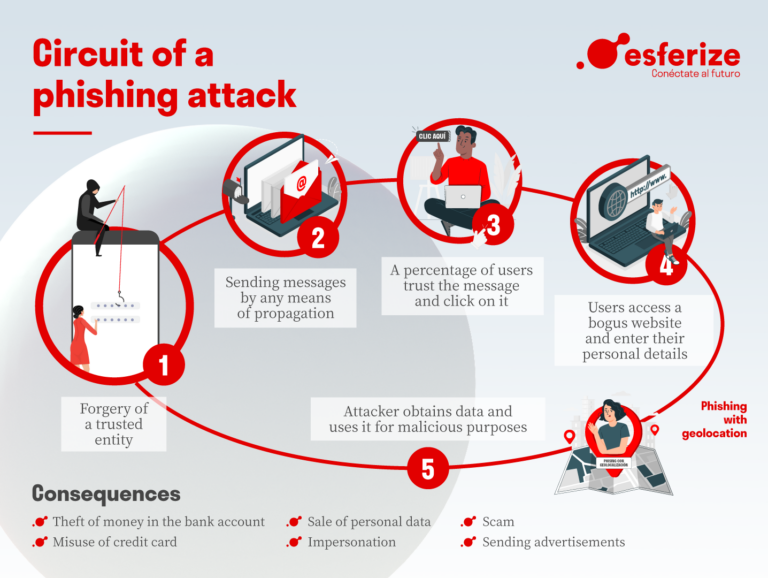
Data breaches can result from several factors. Cybercriminal activities such as phishing attempts and ransomware attacks are increasingly sophisticated. Additionally, internal factors, such as employees mistakenly emailing sensitive client data to the wrong person or losing unencrypted devices, also contribute to the risk of a breach. Poor security practices, such as using weak passwords or failing to update software regularly, further increase vulnerability.
Conclusion
The consequences of data breaches can be extensive, from legal ramifications for businesses failing to protect customer data to emotional distress for individuals whose private information is compromised. Therefore, understanding what a data breach is and the potential risks is vital for everyone in this digital landscape. Organisations are encouraged to implement robust security measures, conduct regular audits, and educate employees on best practices to mitigate risks. As technology continues to evolve, staying informed about emerging threats will be crucial for safeguarding sensitive information.