









Introduction
The respiratory syncytial virus (RSV) is a significant cause of respiratory illness, particularly in infants and the elderly. With nearly 64 million global cases annually, the recent progress in the development of an RSV vaccine holds immense importance for public health. The arrival of effective vaccines could lead to a reduction in hospitalisations and healthcare costs, and ultimately save lives.
Current Developments in RSV Vaccination
As of early 2023, there have been significant breakthroughs in RSV vaccine development, with the FDA granting priority review statuses to several candidates. In particularly exciting news, two vaccines have shown promising efficacy: one developed by Pfizer and another by GSK. Both vaccines target the virus’s F protein, paving the way for the immune system to effectively recognise and combat the virus.
Pfizer’s vaccine showed effectiveness in a late-stage clinical trial where it was administered to pregnant women. This approach also provides passive immunity to infants through maternal antibodies, offering early protection before they receive their own vaccinations during infancy. GSK’s vaccine, on the other hand, focuses on older adults, as this demographic is significantly affected by severe RSV infections. Clinical trials have yielded hopeful results, suggesting a reduction in RSV-related hospitalisations for older adults.
Challenges and Considerations
Despite these promising developments, challenges persist. The development of an RSV vaccine has historically faced hurdles, including safety concerns raised during previous trials. The scientific community remains cautious and committed to rigorous testing protocols to ensure that the vaccines not only provide immunity but also maintain safety standards.
Conclusion: The Future of RSV Vaccination
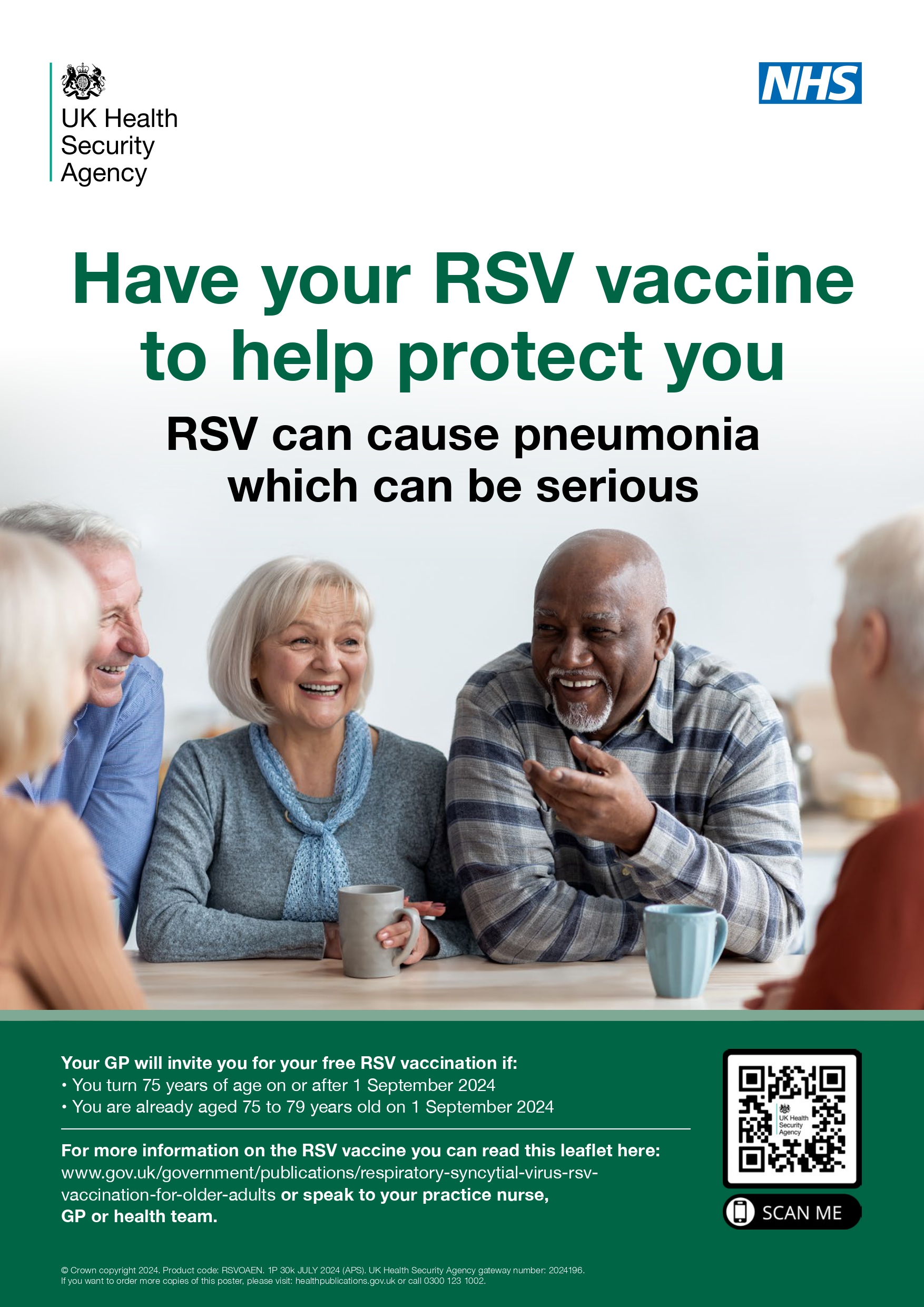
The advancement of RSV vaccines could fundamentally alter the landscape of respiratory illness prevention, particularly for the most vulnerable populations. Experts forecast that if these vaccines receive regulatory approval within the next year, they could be released for public use by late 2024. This development is anticipated to significantly lower the rates of severe RSV infections and alleviate the burden on healthcare systems worldwide. As research and clinical trials continue to progress, the hope remains high for an effective RSV vaccine that can protect future generations.