










Introduction
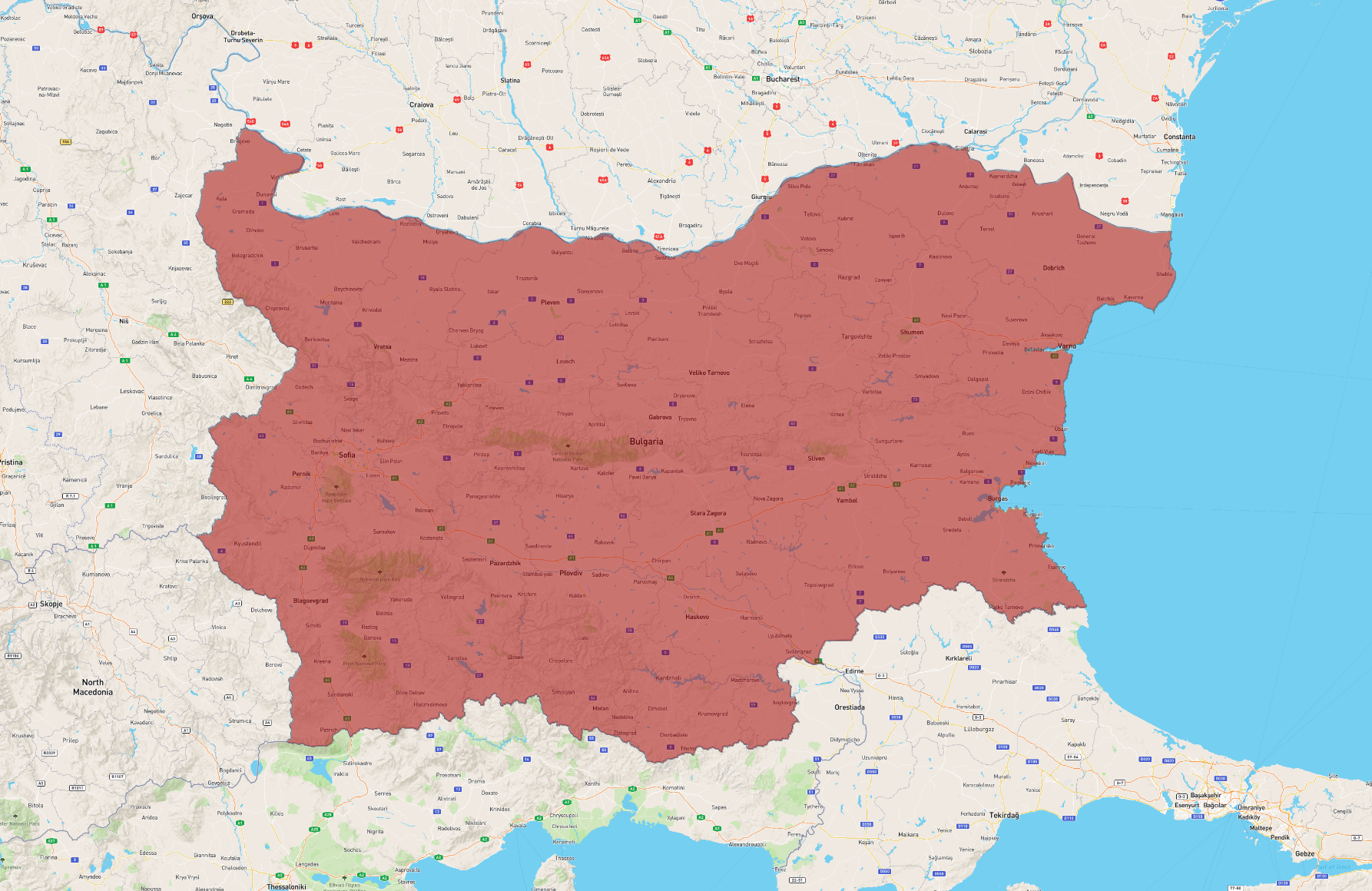
Bulgaria, located in Southeast Europe on the Balkan Peninsula, is increasingly gaining recognition for its rich cultural heritage, stunning landscapes, and vibrant history. This small yet diverse nation has much to offer to tourists and researchers alike. Its geographical position as a crossroads between Europe and Asia enhances its cultural significance, making it a fascinating subject for exploration.
Historical Context
Bulgaria has a storied past that dates back to the Thracians, one of the oldest civilizations in Europe. The country was established as a state in 681 AD and has experienced various changes in governance, including time under the Ottoman Empire. This historical tapestry is reflected in Bulgaria’s architecture, music, and traditions. Recently, Bulgaria celebrated its National Day on March 3rd, marking the liberation from Ottoman rule.
Cultural Heritage
Bulgaria is renowned for its cultural events, such as the Rose Festival in Kazanlak, which celebrates the country’s rose oil production industry. The annual festival attracts tourists and locals who enjoy traditional music, dance, and cuisine. Moreover, Bulgaria is home to many UNESCO World Heritage Sites, including the Rila Monastery and the Thracian Tomb of Kazanlak, showcasing its remarkable artistic and architectural achievements.
Nature and Tourism
The natural beauty of Bulgaria is unparalleled, boasting majestic mountains, scenic beaches, and lush valleys. The Rila and Pirin mountains offer excellent opportunities for winter sports and hiking during the summer months. Additionally, the Black Sea coastline is famous for its resorts, sandy beaches, and vibrant nightlife, making it a popular destination for both domestic and international tourists.
Current Economic Trends
The Bulgarian economy is evolving, with significant growth in the tourism sector, contributing to job creation and economic development. According to data from the National Statistical Institute, Bulgaria welcomed over 9 million international visitors in 2022, signalling a strong recovery from the impacts of the COVID-19 pandemic. The government is now focusing on enhancing travel infrastructure and promoting Bulgaria as an attractive investment destination.
Conclusion
In summary, Bulgaria offers a unique blend of history, culture, and natural beauty that remains largely undiscovered by many. As it continues to develop its tourism sector and enhance its economic prospects, Bulgaria is projected to become a key player in Eastern Europe. For readers looking for a travel destination that encompasses a rich cultural experience and stunning landscapes, Bulgaria should undoubtedly be on their radar.