










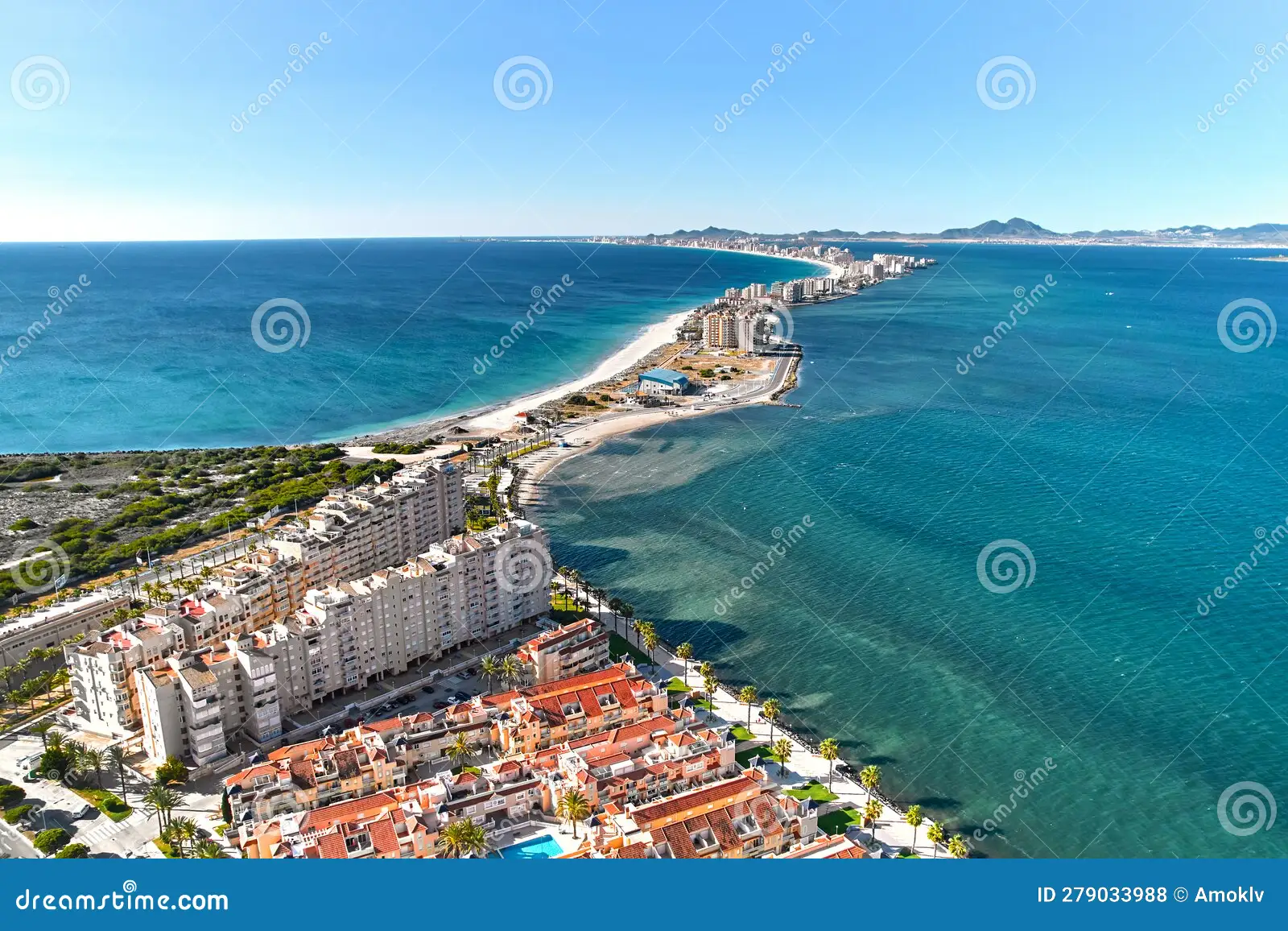
Introduction to Mar Menor
The Mar Menor, a unique coastal lagoon situated in the Murcia region of Spain, has gained considerable attention in recent years due to its environmental challenges and economic significance. Recognised as the largest saltwater lagoon in Europe, Mar Menor is not only a vital ecological habitat but also a crucial part of the local fishing and tourism industries. Understanding its current state and the initiatives aimed at restoring this natural asset is essential for local communities and policymakers alike.
Environmental Concerns
In recent years, Mar Menor has faced severe ecological issues, primarily due to pollution and over-exploitation of its resources. Reports indicate that nutrient inflow, primarily from agricultural runoff, has caused algal blooms that threaten marine life. A significant event occurred in September 2021, when local authorities declared a state of emergency after the waters turned green due to excessive algae. This event highlighted the urgent need for sustainable practices in agriculture and development around the lagoon.
Recent Initiatives
In an effort to address these environmental pressures, both local and national governments have initiated various plans. The ‘Mar Menor Recovery Plan’, launched in early 2022, aims to drastically reduce pollutant levels and restore biodiversity. Measures include monitoring agricultural practices and creating buffer zones to protect the lagoon’s waters. Additionally, a proposed moratorium on new construction projects in the area has been debated to prevent further degradation of this essential ecosystem.
Economic Impact
The economic implications of the Mar Menor’s deteriorating health are profound. The fishing industry, which relies heavily on healthy waters, has faced significant declines due to the ecological crisis. Tourist inflows, which are crucial for the local economy, have also been impacted as the lagoon’s reputation has suffered. In response, stakeholders are advocating for the promotion of sustainable tourism and fishing practices that will benefit both the economy and the environment.
Conclusion
The situation in Mar Menor serves as a cautionary tale highlighting the delicate balance between human activity and environmental preservation. As various initiatives take shape, the future of Mar Menor hangs in the balance, prompting communities and policymakers to reflect on sustainable practices. Forecasts indicate that if successful, ongoing efforts could restore not only the lagoon’s health but also secure a sustainable economic future for the region.