









Introduction
San Marino is one of the smallest countries in the world, nestled within the Italian peninsula. With its rich history, stunning architecture, and unique status as a microstate, San Marino offers a distinctive perspective on European culture and politics. As a republic since 301 AD, it has maintained its independence for over 1,700 years, making it a living testament to the endurance of a free state.
Historical Significance
Founded in the early fourth century by St. Marinus, a Christian stonecutter fleeing religious persecution, San Marino has become a symbol of liberty and self-governance. Its historical constitution, established in 1600, is one of the oldest in the world and has been preserved through centuries of political change in Europe. The nation’s unique governance model, characterised by a parliamentary system, showcases its commitment to democratic principles.
Geographical Highlights
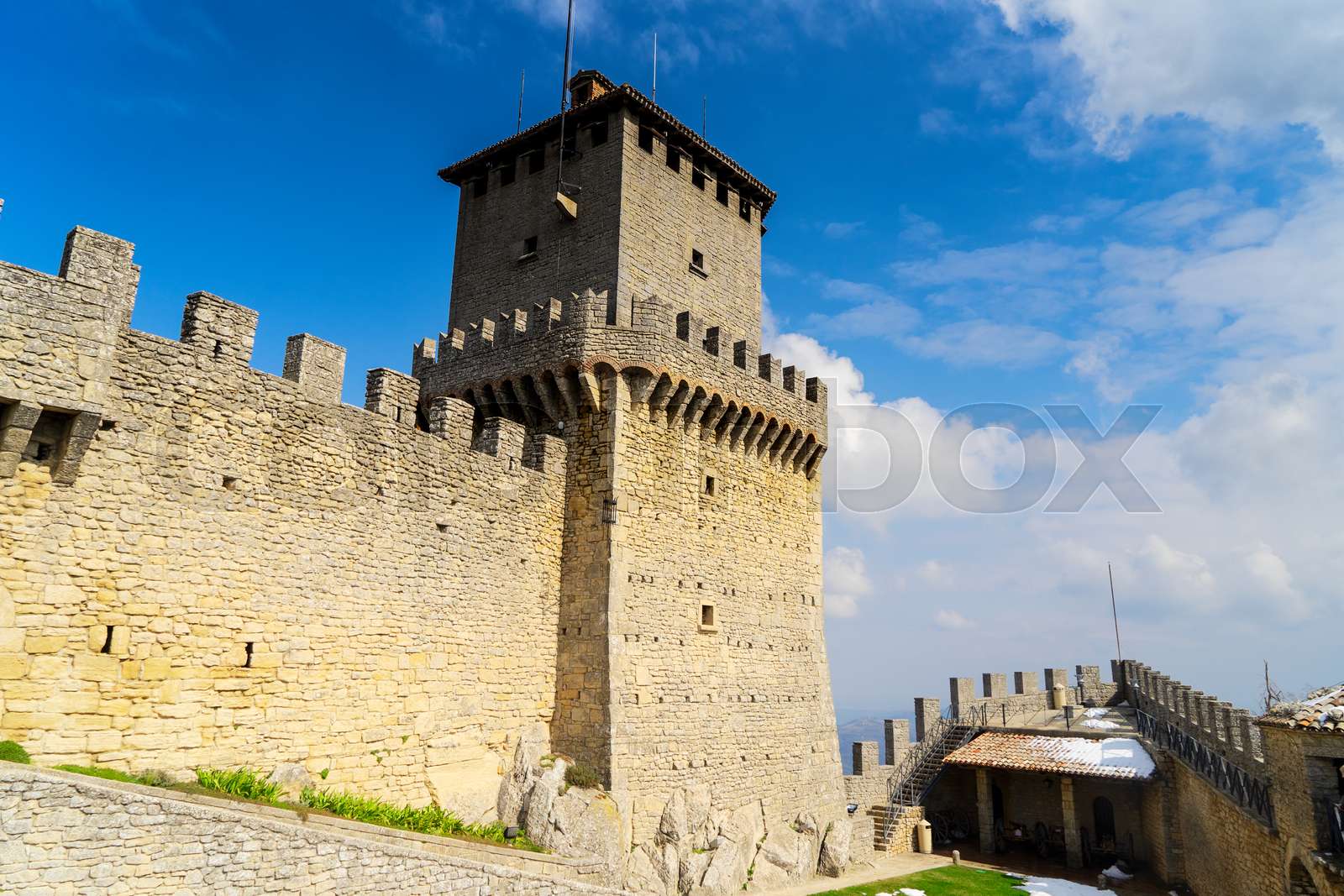
Covering an area of just 61 square kilometres, San Marino is situated atop Mount Titano, offering breathtaking views of the surrounding Italian landscape. The capital city, also named San Marino, is renowned for its medieval architecture, including the Three Towers of San Marino, which date back to the 11th century. These towers not only serve as tourist attractions but also as historical landmarks representing the country’s resilience.
Culture and Economy
The culture of San Marino is heavily influenced by its Italian neighbours, which is reflected in its cuisine, festivals, and traditions. San Marino’s economy is primarily based on finance, tourism, and manufacturing, with a growing emphasis on high-quality craftsmanship—a hallmark of many small-scale businesses in the country. The recent push for sustainable tourism has resulted in initiatives aimed at preserving the rich heritage and natural beauty of this small state.
Current Events and Future Prospects
In recent years, San Marino has gained attention for its efforts to increase international visibility while preserving its unique identity. The government is actively seeking to foster cultural exchanges and strengthen diplomatic relations with other countries. Additionally, the COVID-19 pandemic prompted a shift towards enhancing local healthcare services, thus improving the overall quality of life for residents.
Conclusion
For readers interested in travel, history, or politics, understanding San Marino provides invaluable insights into the complexities of maintaining sovereignty in a rapidly changing world. Its commitment to freedom, paired with its rich cultural tapestry, makes San Marino a fascinating topic worthy of exploration. As this tiny nation continues to navigate the modern world, it will undoubtedly remain both a symbol of historical resilience and a unique destination for curious travellers.