









Introduction
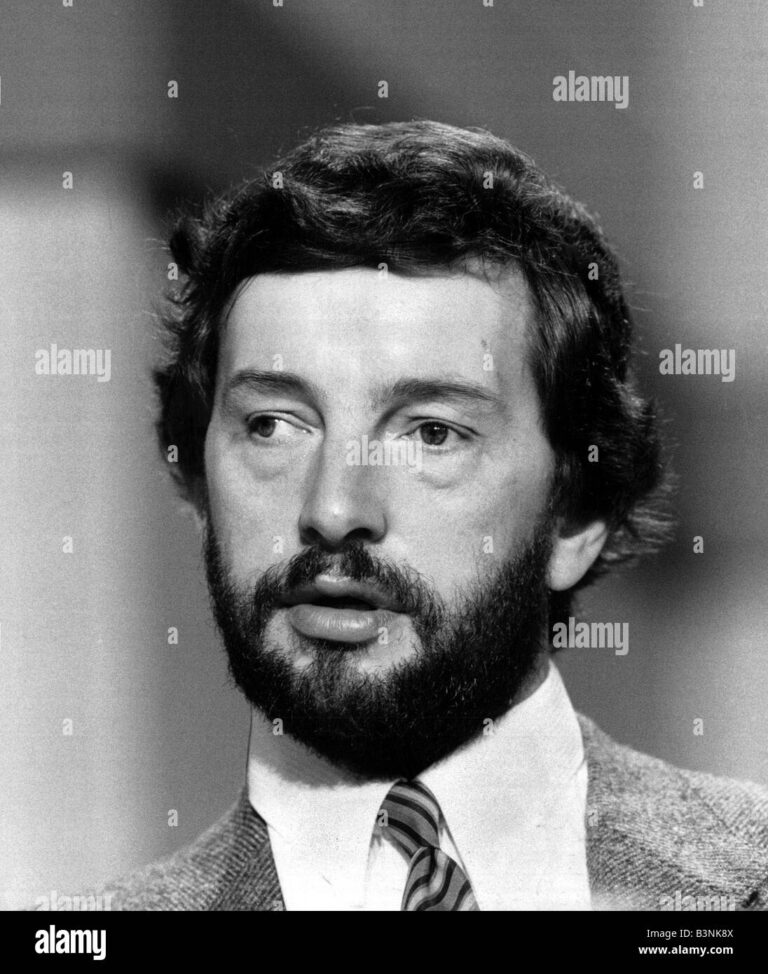
Noam Chomsky, a prominent American linguist, philosopher, cognitive scientist, historian, and social critic, has profoundly reshaped both the field of linguistics and the discourse surrounding political activism. Born on December 7, 1928, Chomsky’s theories of language have not only transformed academic study but have also intersected with contemporary political conversations, making him a figure of global importance.
The Revolution in Linguistics
Chomsky’s introduction of the theory of generative grammar in the 1950s revolutionised the way language is understood and studied. His core idea is that all human beings are born with an innate ability to acquire language, often referred to as the ‘universal grammar.’ This concept suggests that linguistic structures are similar across different languages, challenging previously held beliefs in linguistics that were heavily influenced by behaviourism.
Recent advancements, such as those published in Chomsky’s 2022 work, highlight his continued engagement with linguistic theory. His research emphasizes the cognitive processes behind language acquisition, showcasing that understanding language involves more than just the external rules of grammar—it requires an exploration of the mind itself.
Political Activism
Besides his monumental contributions to linguistics, Chomsky is equally recognized for his vocal stance on global political issues. As a critic of US foreign policy, capitalism, and media manipulation, Chomsky has inspired many to question mainstream narratives and governmental authority. His books, such as ‘Manufacturing Consent’ co-authored with Edward S. Herman, analyse how media serves elite interests, prompting readers to seek critical perspectives in the information they consume.
In recent months, Chomsky’s insights have become increasingly relevant as discussions around misinformation and government accountability intensify, particularly in the backdrop of the ongoing global conflicts and socio-political debates. During various interviews, including those in late 2023, he has urged young activists to remain steadfast in their pursuit of truth and justice, emphasising the role of informed citizenry in democracies.
Conclusion
Noam Chomsky’s legacy extends far beyond the confines of academia; it permeates societal structures and encourages critical thinking in political discourse. As the world grapples with complex challenges such as disinformation and socio-political inequality, Chomsky’s teachings remain vital. His perspective calls upon individuals not only to understand the mechanics of language but also to navigate the convoluted landscape of global politics with a critical lens. Looking ahead, Chomsky’s influence is likely to persist, inspiring future generations to explore linguistics and embrace activism as they engage with the pressing issues of our time.