









Introduction
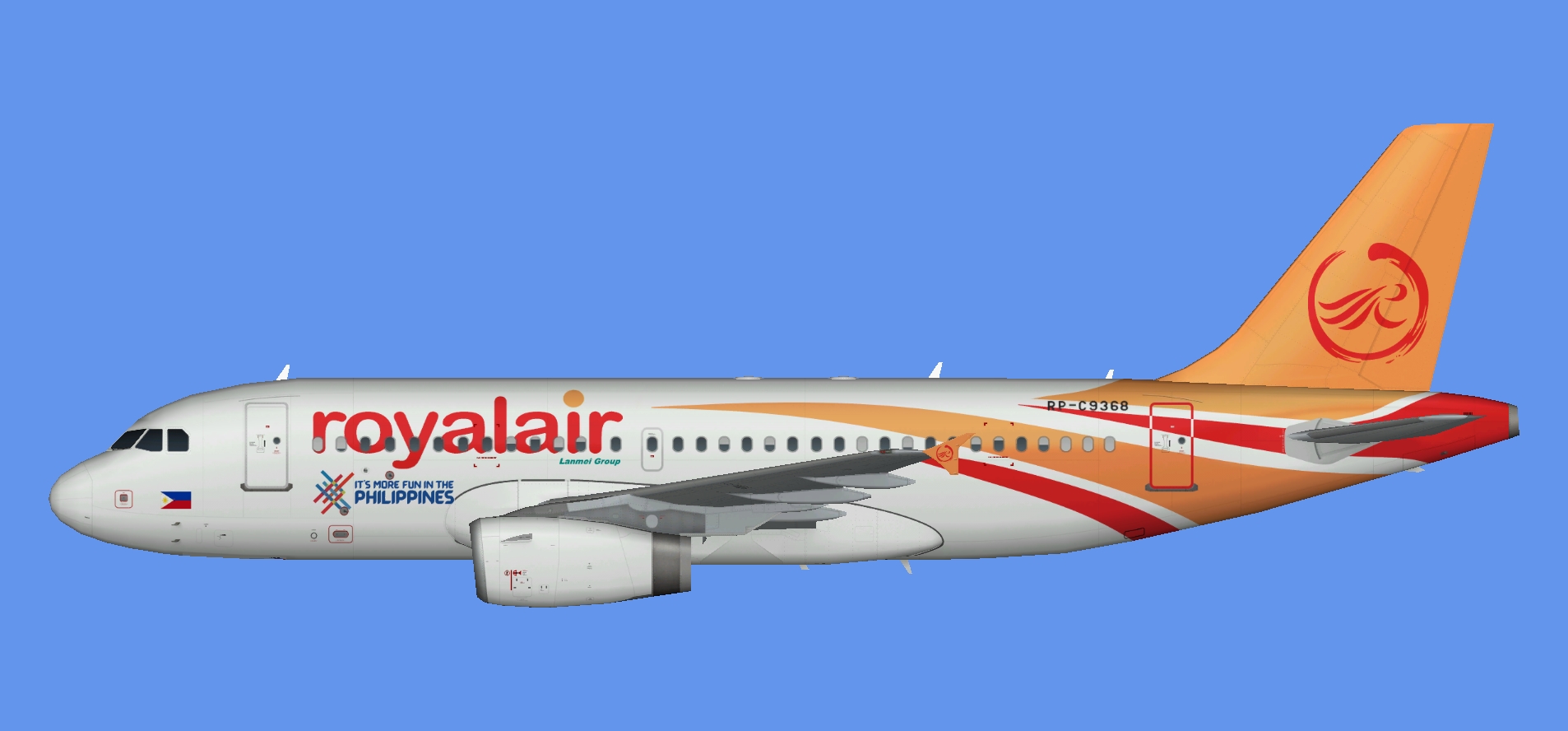
The recent announcement regarding the liquidation of Royal Air Philippines has sent shockwaves through the aviation sector. This development is significant as it not only impacts the airline’s employees and customers but also raises concerns about the future of smaller airlines amidst ongoing challenges in the industry.
Background of Royal Air Philippines
Founded in 2002, Royal Air Philippines aimed to provide affordable air travel services within the Philippines and to select international destinations. Over the years, the airline adapted to shifting market demands and faced several hurdles, including increasing operational costs and intense competition from larger carriers. Recent economic pressures, exacerbated by the global pandemic, prompted a reevaluation of its financial viability.
Details of Liquidation Announcement
On October 10, 2023, Royal Air Philippines officially filed for voluntary liquidation, citing unsustainable debt levels and dwindling passenger numbers. The airline revealed that it would cease operations immediately while working through the legal and financial frameworks necessary for the liquidation process. Customers with existing bookings have been advised to contact the airline for refund information, and travel agencies are coordinating with affected individuals. Furthermore, all flights scheduled after the announcement date have been cancelled.
Impact on Employees and Customers
The liquidation poses a significant challenge for the 500 employees of Royal Air Philippines. The airline has stated that it will provide severance packages and assist with job placement services wherever possible. Customers who have booked flights or had travel plans with the airline face uncertainty as they navigate this abrupt transition. Industry experts suggest that many travellers may choose to book with other carriers, leading to potential overload for competitors during peak travel times.
Future Implications for the Aviation Industry
The liquidation of Royal Air Philippines raises concerns regarding the viability of other smaller airlines in the region. Analysts predict that continued pressure from large budget and full-service carriers could lead to further consolidations within the industry. The Philippine government may need to consider regulatory support or incentives to sustain smaller players, ensuring that competition remains healthy and consumer choices are preserved.
Conclusion
The liquidation of Royal Air Philippines marks a poignant chapter in the ongoing evolution of the Philippine aviation landscape. While it signals the end for one airline, it also presents an opportunity for reflection on the sector’s future and the importance of supportive measures for smaller carriers. Stakeholders will be keenly observing how the situation unfolds, as it can set precedents for airline operations and consumer rights in the region.