










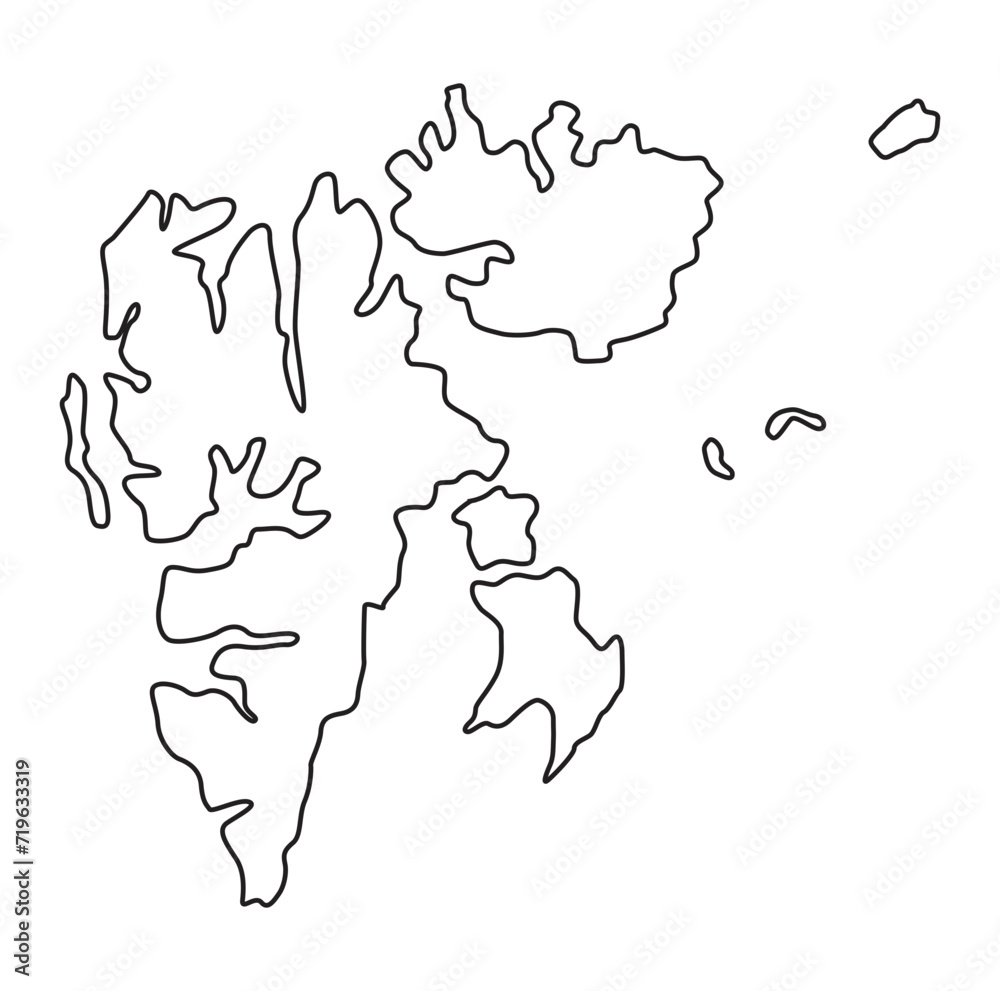
Introduction to Svalbard
Svalbard, a Norwegian archipelago nestled between mainland Norway and the North Pole, is an increasingly popular destination noteworthy for its stunning natural beauty and diverse wildlife. With its rugged terrain of glacial landscapes, vast tundras, and unique fauna, Svalbard is crucial for ecological research and environmental awareness. Furthermore, its strategic location makes it significant in discussions about climate change and Arctic geopolitics.
Recent Developments in Svalbard
In recent months, Svalbard has seen a surge in tourism, driven by its reputation as a pristine wilderness and a unique adventure destination. Reports from Statistics Norway reveal that visitor numbers have increased by 25% in 2023 compared to 2022, with tourists flocking to experience everything from glacier hiking to wildlife safaris. Additionally, local businesses are adapting to this influx, offering guided tours and sustainable travel packages that focus on the conservation of the delicate Arctic environment.
However, the rising temperatures and melting ice caused by climate change are presenting challenges for both the ecological balance and the economy of Svalbard. The archipelago experienced a record temperature of 21.7°C in July 2023, raising concerns about the potential impact on polar bears and other indigenous species, which are already facing pressures from habitat loss. Conservationists and scientists are collaborating to monitor these changes closely, aiming to generate effective strategies to mitigate impacts.
The Significance of Svalbard
Svalbard also plays a pivotal role in global discussions on climate policies due to its sensitive environment and status as one of the fastest-warming regions on Earth. Various international initiatives are focusing on this area, utilising it as a barometer for climate conditions and changes. The Svalbard Global Seed Vault, designed to preserve seeds from around the world, further underscores its importance in terms of global food security amidst changing climatic conditions.
Conclusion
As Svalbard continues to attract attention, its role as a monitoring ground for climate change and a sanctuary for unique Arctic wildlife remains vital. The dual challenge of boosting sustainable tourism while protecting its fragile ecosystem is at the forefront of discussions among policymakers, local communities, and conservationists. For readers considering a trip to this remarkable destination, the call for responsible travel practices has never been more important, ensuring Svalbard’s natural wonders remain intact for future generations.