








The Importance of Flight Radar
Flight radar technology has transformed how we monitor and manage air traffic across the globe. With an increasing number of flights taking off and landing every day, the need for effective tracking systems has become paramount to ensuring passenger safety and improving operational efficiency in the aviation industry.
How Flight Radar Works
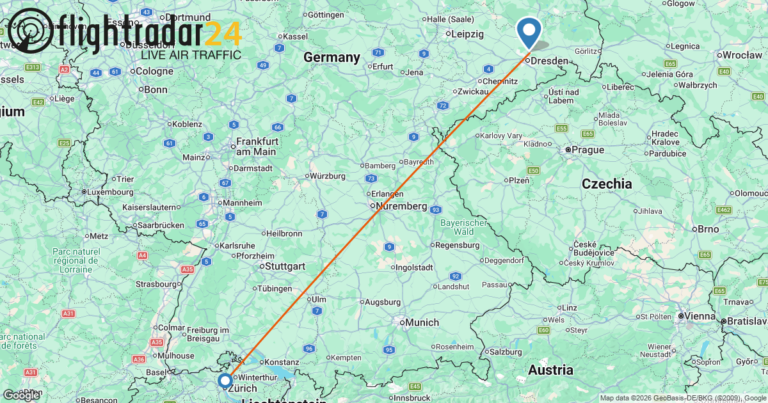
Flight radar systems utilize a network of ground-based radar and satellite data to provide real-time information on aircraft location, altitude, speed, and flight paths. Modern systems, such as ADS-B (Automatic Dependent Surveillance–Broadcast), enable aircraft to broadcast their position information, which is then picked up by receiving stations and displayed on radar screens. This technology ensures that air traffic controllers can maintain safe distances between planes and help pilots navigate around weather disturbances and other potential hazards.
Current Events in Flight Radar Technology
Recently, several airlines have started implementing advanced flight radar systems to enhance their operational capabilities. For example, British Airways announced advancements in their flight tracking software that aims to reduce delays and enhance customer service by providing passengers with real-time updates on their flight status directly through their mobile apps. Additionally, the Federal Aviation Administration (FAA) in the United States is actively working to upgrade the nation’s radar systems to improve accuracy and reduce congestion in busy air spaces.
The Impact on Air Travel
With the integration of flight radar technology, airlines can make data-driven decisions that minimise delays and optimise fuel efficiency. This is especially crucial as the industry rebounces from the setbacks caused by the COVID-19 pandemic, with significant increases in passenger demand noted in recent months. The ability to quickly respond to changing circumstances with precise tracking data not only benefits airlines but also enhances safety for passengers and crew.
Conclusion
As the aviation industry continues to evolve, flight radar technology will play an even more significant role in enhancing safety, reducing delays, and improving the overall travel experience. With ongoing advancements in tracking systems and data analysis, we can expect that the capacity of flight radar will only grow more sophisticated, paving the way for a more efficient and safe air travel environment in the future.