









Introduction
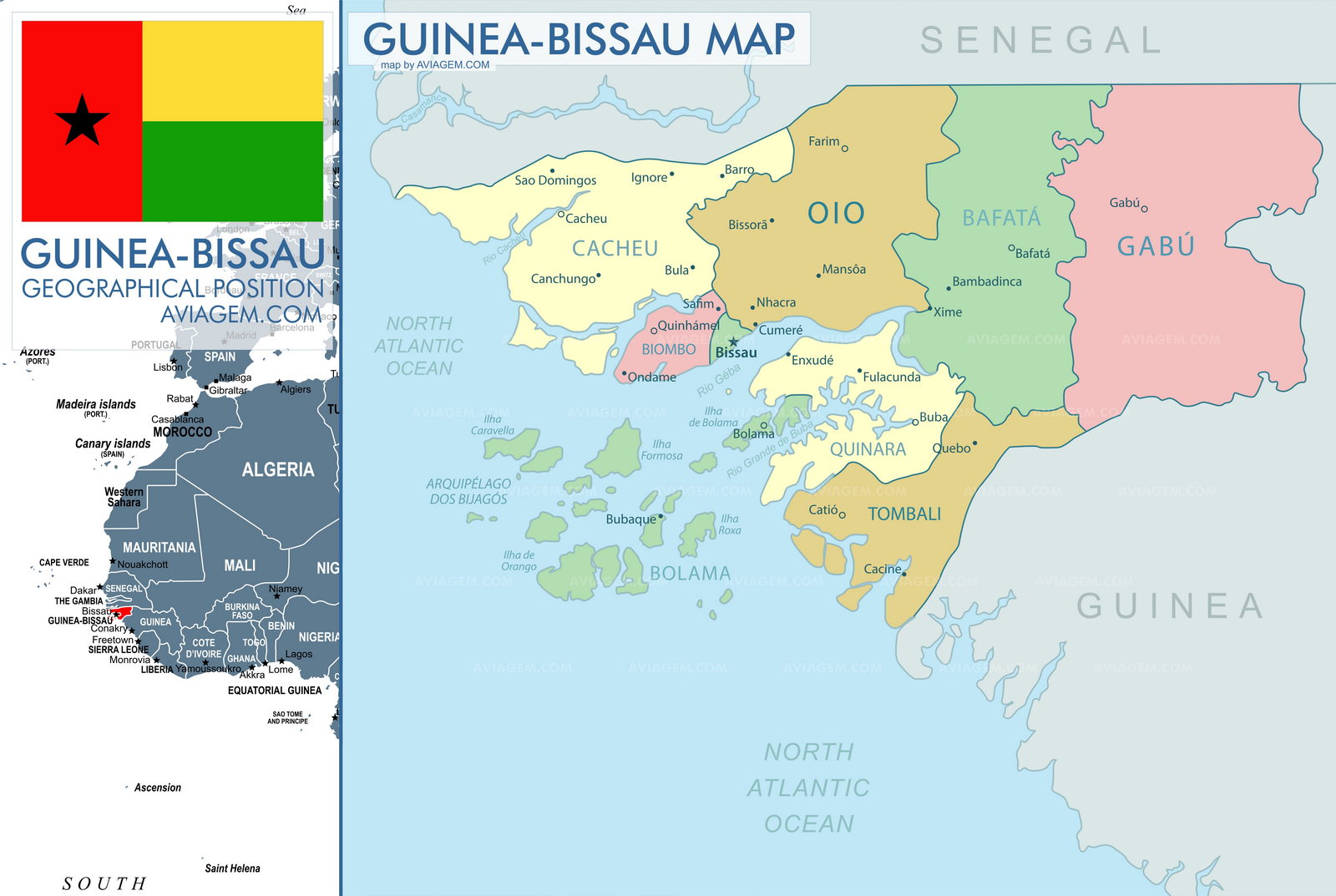
Guinea Bissau, a small West African nation, has garnered significant attention for its political landscape, economic challenges, and cultural richness. As one of the poorest countries in the world, the importance of Guinea Bissau lies not only in its unique biodiversity but also in its ongoing struggle for stability and development. Recent events have highlighted both the challenges and opportunities facing the country, making it relevant for international observers and policy-makers.
Political Landscape
Guinea Bissau is characterised by a history of political instability, with numerous coups and a transitional government structure. In 2023, the nation witnessed a pivotal moment with the presidential elections held in April, where former president Umaro Sissoco Embaló was re-elected amid claims of voter irregularities. The electoral process was marked by tension, reflecting deep divisions within the country. Observers have noted the importance of fostering a more inclusive governance approach to ensure peace and stability.
Economic Challenges
The economy of Guinea Bissau primarily relies on agriculture, particularly cashew nut production, which accounts for a significant portion of its exports. However, the country faces numerous challenges including high unemployment rates and reliance on foreign aid. According to the World Bank, the economy is expected to grow by 4.3% in 2023, but this growth is contingent upon effective governance and infrastructure improvements. Structural reforms are essential to diversify the economy beyond agriculture and improve living conditions.
Recent Developments
In recent months, international organisations have engaged more with Guinea Bissau to bolster its development initiatives. The United Nations and the Economic Community of West African States (ECOWAS) are working together to support peacebuilding efforts. Additionally, the country has been making strides in environmental conservation, with initiatives aimed at protecting its rich biodiversity, including its unique rainforests and coastal ecosystems.
Conclusion
Though Guinea Bissau grapples with numerous challenges, including political instability and economic vulnerabilities, there is an opportunity for progress. Regional cooperation and international support have the potential to bolster the democratic process and stimulate economic growth. Observers will be keenly watching how the government will address these issues in the coming years and the strategic choices that may steer Guinea Bissau towards a more stable future. As global interest in West Africa grows, the developments in Guinea Bissau will be significant not only for its citizens but for regional stability as a whole.