










Introduction
The role of the monarch, particularly the Queen, has long been a subject of fascination and scrutiny in modern society. With deep historical roots, the monarchy not only represents tradition but also embodies changes in cultural attitudes, political structures, and national identity. As the United Kingdom moves forward through significant societal changes, the legacy and influence of the Queen remain pertinent in discussions surrounding governance, identity, and continuity.
Historical Context
Queen Elizabeth II, who reigned for over 70 years, became a symbol of resilience during times of both war and peace. Her reign saw the transition of the British Empire into the Commonwealth, fostering relationships between countries and promoting values of unity and cooperation. Following her passing in September 2022, King Charles III ascended to the throne, making headlines globally as the monarchy faces new challenges in a rapidly changing world.
Current Events and the Role of the Monarch
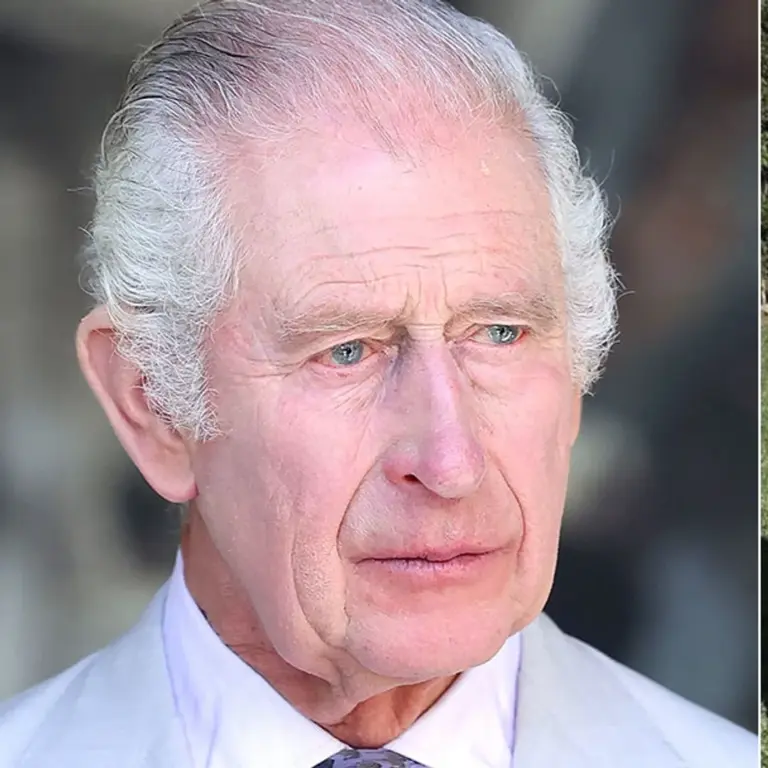
Since assuming the throne, King Charles III has attempted to revitalise the monarchy to make it more relevant to contemporary society. Recent events include his efforts to advocate for climate action and social justice—issues close to the younger generation’s hearts. His public engagement and personal commitments reflect an adaptive monarchy in tune with societal expectations and cultural shifts.
The Queen’s Impact on National Identity
The Queen has acted as a unifying figure, especially during times of crisis. Public events, such as the royal weddings and the Jubilee celebrations, have historically brought together different segments of society, enhancing a sense of communal identity. The symbolic representation of continuity in a fast-paced world may be more critical now than ever as the UK navigates post-Brexit realities.
Conclusion
The legacy of the Queen is deeply interwoven into the fabric of British life, affecting aspects of culture, governance, and identity. As the monarchy evolves under King Charles III, the significance of the Queen’s influence perpetuates. The ongoing dialogue about the relevance of the monarchy is set to continue, as discussions regarding its future will undoubtedly shape the way Britain positions itself on the global stage. Observers and citizens alike will keenly watch as the monarchy adapts to ensure its place in a democratic and rapidly changing society.